
Justin and Rebecca's Journey Towards Gender Equality

By Christabel Mundike, Communications Officer, Zambia
Like many households in the Meheba Refugee Settlement, Justin and Rebecca's relationship was shaped by deeply rooted cultural norms that positioned Justin as the sole decision-maker in the family. Rebecca's role was largely limited to household responsibilities, with little involvement in financial planning or decision-making.
"Before the trainings, I believed that providing for the family was my only role, and decisions about money or the future were mine alone," recalls Justin. "My wife and I used to argue a lot because I thought all decisions were to be made by me."
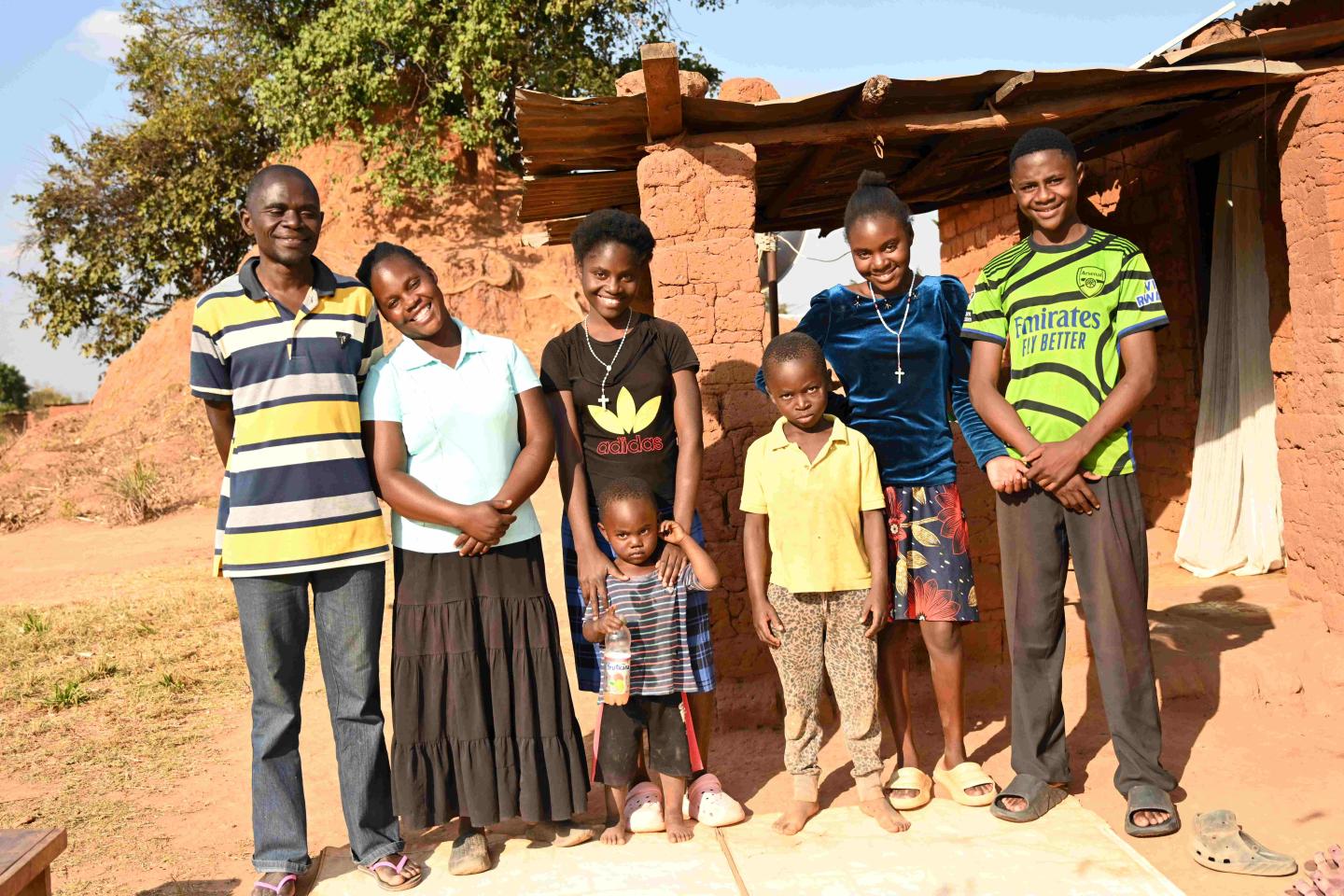
Rebecca recalls a time when she had no input in the family's finances. "There was no budgeting input from me. My husband made all the financial decisions on his own," she says.
Their lives began to change when World Vision Zambia, through the Economic Empowerment for Strengthening Gender Equality in Refugee and Host Communities (ECO4G) Project, reached Meheba Refugee Settlement. The project works towards an environment where men and women, boys and girls in refugee and host communities fully participate in and enjoy the benefits of sustainable development.
Justin and Rebecca were among the couples who participated in gender awareness sessions and couple engagement meetings. Alongside more than 39 other participants, they received training on joint decision-making, positive masculinity, parenting and gender equality through participatory discussions and shared experiences.
"During the discussions, I realised that my voice also matters in our home," says Rebecca. "I gained confidence to speak, and my husband started listening."
The couple put their lessons into practice, planning together, jointly preparing household budgets, discussing priorities and sharing responsibilities.
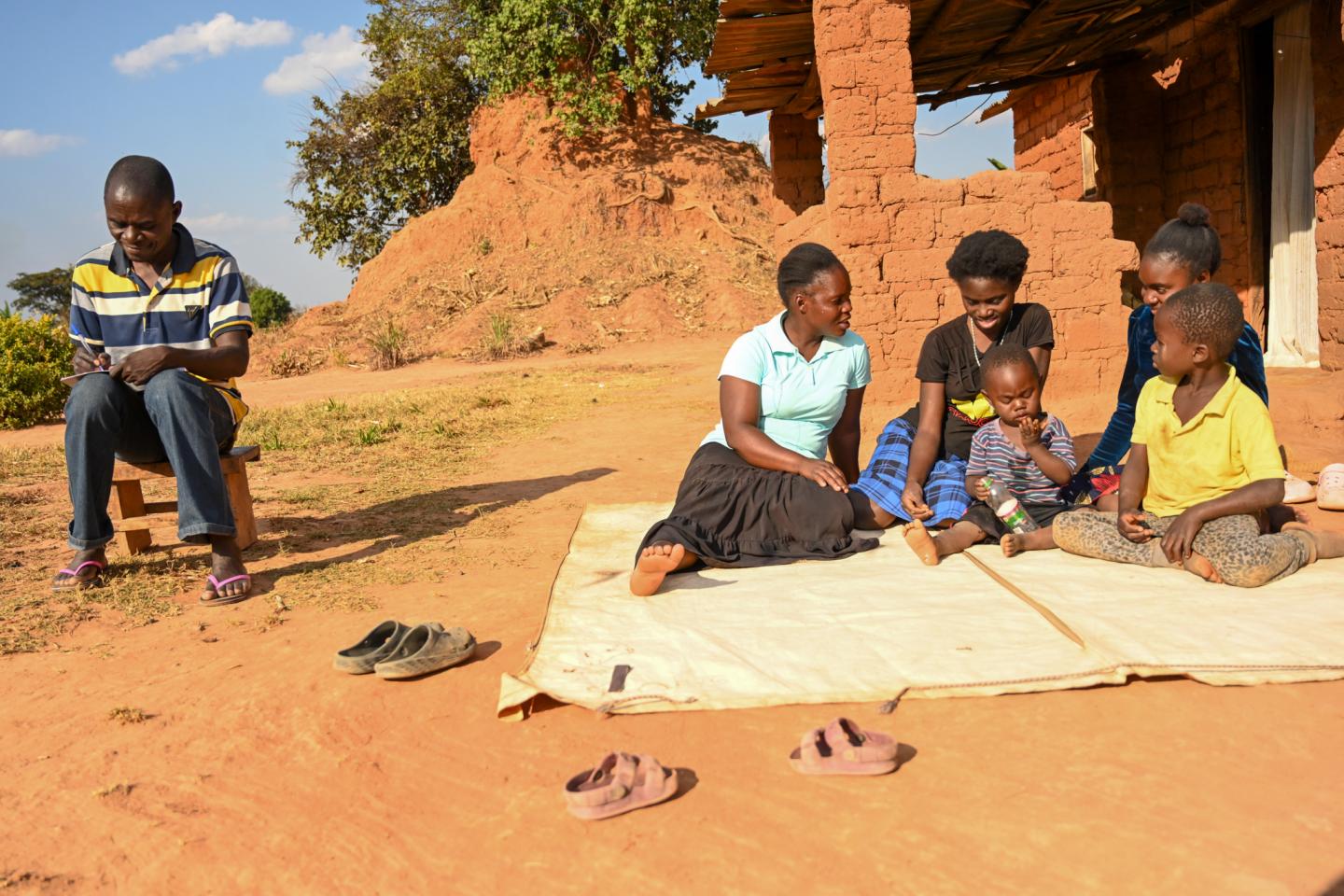
"We need to plan everything that is needed. We now make a budget and shop together," Rebecca explains.
For Justin, the change has strengthened their relationship. Decision-making is now collective, communication has improved, and trust between them has deepened.
Participation in savings and self-help groups reinforced these gains further. Working together, the couple developed better financial discipline, saved regularly and made joint investment decisions, improving their household's economic stability and resilience to shocks.
Today, Justin and Rebecca serve as couple role models in their community. They are among more than 20 couple role models influencing over 200 community members through sensitisation meetings encouraging men to support women's participation in economic activities and leadership.
"As couple role models, we are stepping in to help other couples because a couple is one," they say.
Through their journey, Justin and Rebecca demonstrate that when men and women work together as equal partners, families grow stronger, more resilient and better positioned to thrive.