
Life after the ANEW project

When the sun rises over Namwala District, farmers from surrounding villages walk toward the NICO Milk Collection Centre, carrying buckets of freshly milked milk.
Ten years ago, this scene was rare. Many households owned cattle but earned little from them. Without cold storage or access to reliable markets, milk spoiled quickly. Families lost income. Children missed school due to a lack of fees and supplies. Farmers grew discouraged.
That began to change in 2016 when World Vision Zambia, through the Agriculture, Nutrition, Education and WASH (ANEW) project, partnered with the community to strengthen the NICO Milk Collection Centre. The goal was clear. Improve milk quality, expand market access, and increase household income.
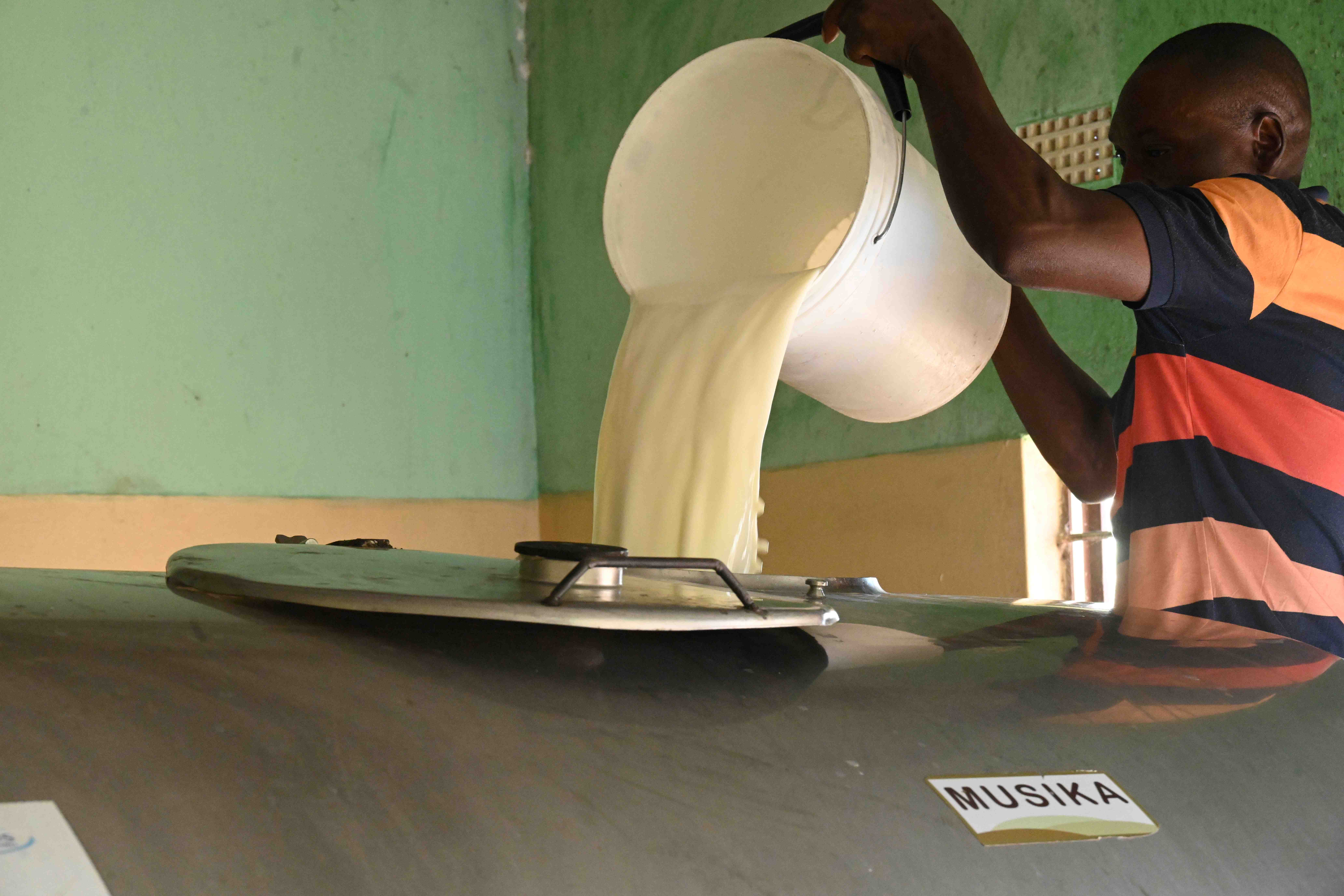
The cooperative, led by manager Banji Halale, had formed to help farmers earn through milk sales. At the time, the centre could store only 1,500 litres, which took three days to fill. With World Vision’s business and technical training, membership grew and production increased. With additional support from Parmalat, storage capacity rose to 2,080 litres, which farmers filled in far less time.
As volumes grew, the cooperative purchased land from traditional leaders and began building a new site. World Vision supported the finishing works. Parmalat later donated a 6,000-litre cooling tank. Farmers now fill it in just one and a half days.
Relocation improved access, but some farmers still travelled up to 30 kilometres to deliver milk. The cooperative secured Constituency Development Fund support and installed a 1,500-litre tank at a satellite collection point closer to distant farmers.
With training and mentorship from World Vision, mindsets shifted. Farmers now treat milk as a business, not just a household product. During peak periods, the centre receives up to 6,000 litres per day.
“Before ANEW, we had no hope,” says Banji. “Our milk went sour within hours because we had nowhere to store it. Many days, we poured it away. Today, I sell every drop. That money pays school fees and puts food on the table for many families.”
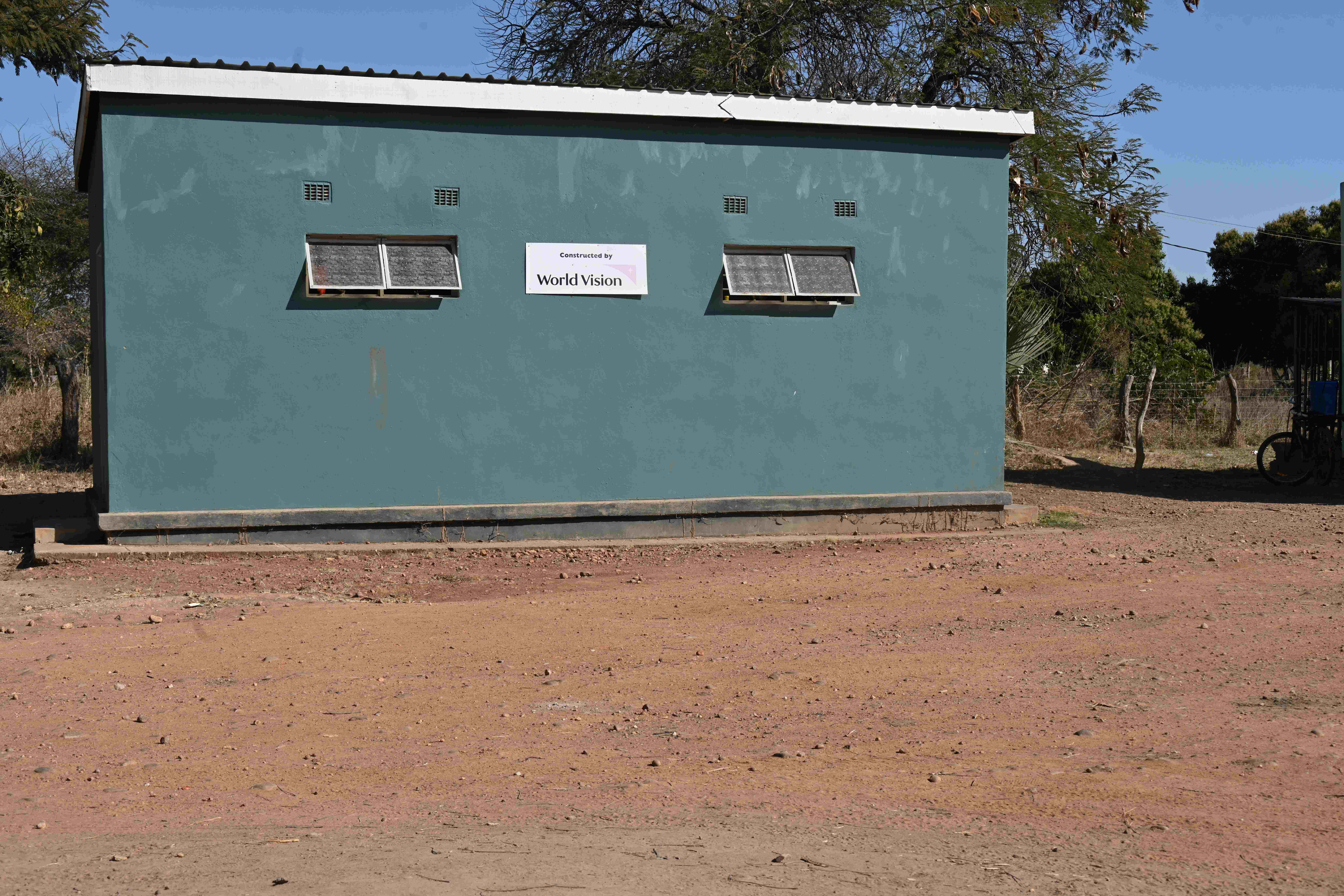
The impact goes beyond storage and markets. World Vision also supported animal nutrition through training in chaff preparation to improve livestock feed. In Moomba, a nearby satellite point, the project supported the installation of a borehole and milk collection structure, ensuring clean water and reliable infrastructure for production.
Women are also benefiting. Once excluded from cattle sales, many are now cooperative members and leaders.
With steady milk sales, families earn income and consume more nutritious food at home. Health workers report fewer cases of child malnutrition compared to a decade ago.
“Milk is no longer just food. It is our future,” says Banji. “With World Vision’s support, our children are healthier, our homes are stronger, and we can plan beyond survival.”
Although the ANEW project has ended, the community continues to thrive. Farmers now manage the centre independently, using the skills and systems built through World Vision’s partnership.