
Multiple Micronutrient Supplements: Restoring Hope for Healthy Motherhood

In many parts of Zambia, the story of a child's life is often written before they draw their first breath. For generations, women have endured pregnancies marked by exhaustion, dizziness, and the quiet fear that their child would not thrive. These hardships were accepted as inevitable until a simple tablet and a community of dedicated volunteers began to rewrite the narrative.
Vanessa knows the difference because she has lived it. Her first pregnancy was hard. The dizziness never left her. Eating was a daily struggle. She did not know there was another way. When she fell pregnant again, she arrived at a small clinic on the outskirts of Lusaka carrying not only hope but also the memory of what came before. She was greeted by Mercy Phiri, a forty-nine-year-old woman who has served as a volunteer there since 2015.
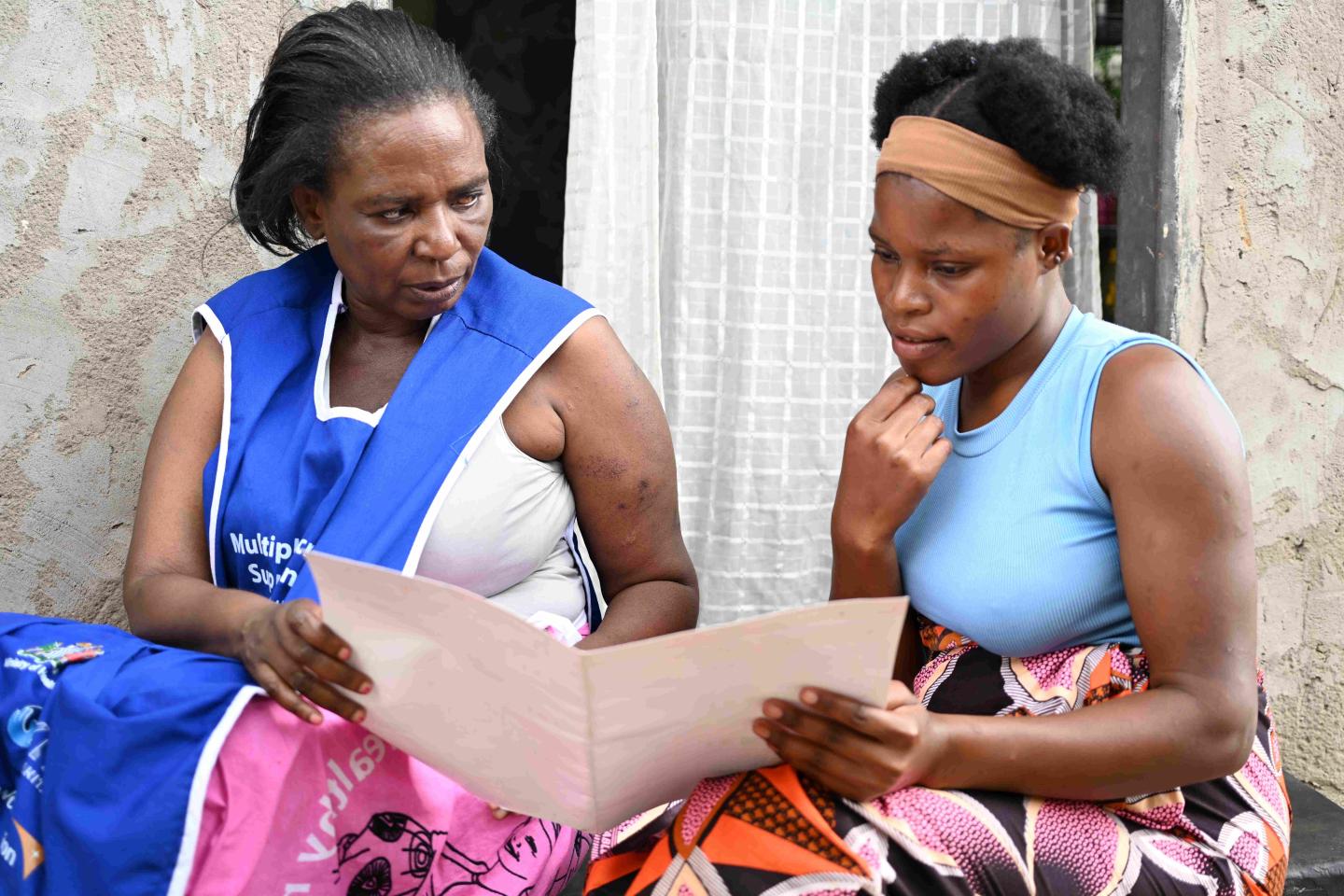
With the gentle authority of someone who has walked this path alongside countless mothers, Mercy introduced Vanessa to the Zambia Micronutrients Supplementation Project, known as the MMS Project. Operating across Lusaka, Northern, and Southern provinces, the initiative provides pregnant women with tablets containing fifteen essential vitamins, formulated to prevent lasting harm to a child's physical and mental development.
Mercy handed Vanessa a bottle of supplements along with a simple paper calendar, explaining the rules of adherence: one tablet each day, without fail, two hours before a meal.
"I learned that for MMS, you set your time two hours before eating," Vanessa says. "The medicine is giving me appetite because I am able to feed."
For Vanessa, this pregnancy feels nothing like the last. Back home, she marks her calendar with care, twenty days of consistency so far, while her partner, Aaron, watches closely. He is learning not only about the requirements of a balanced diet but also about the quiet needs of the child they are waiting for.
"It is good for us to be going together so that he understands about pregnancy," Vanessa says, recognising how the shared experience has drawn them both into a deeper understanding of what lies ahead.
In a culture where maternal health has long been seen as a woman's domain, this quiet shift toward shared responsibility signals a broader change.
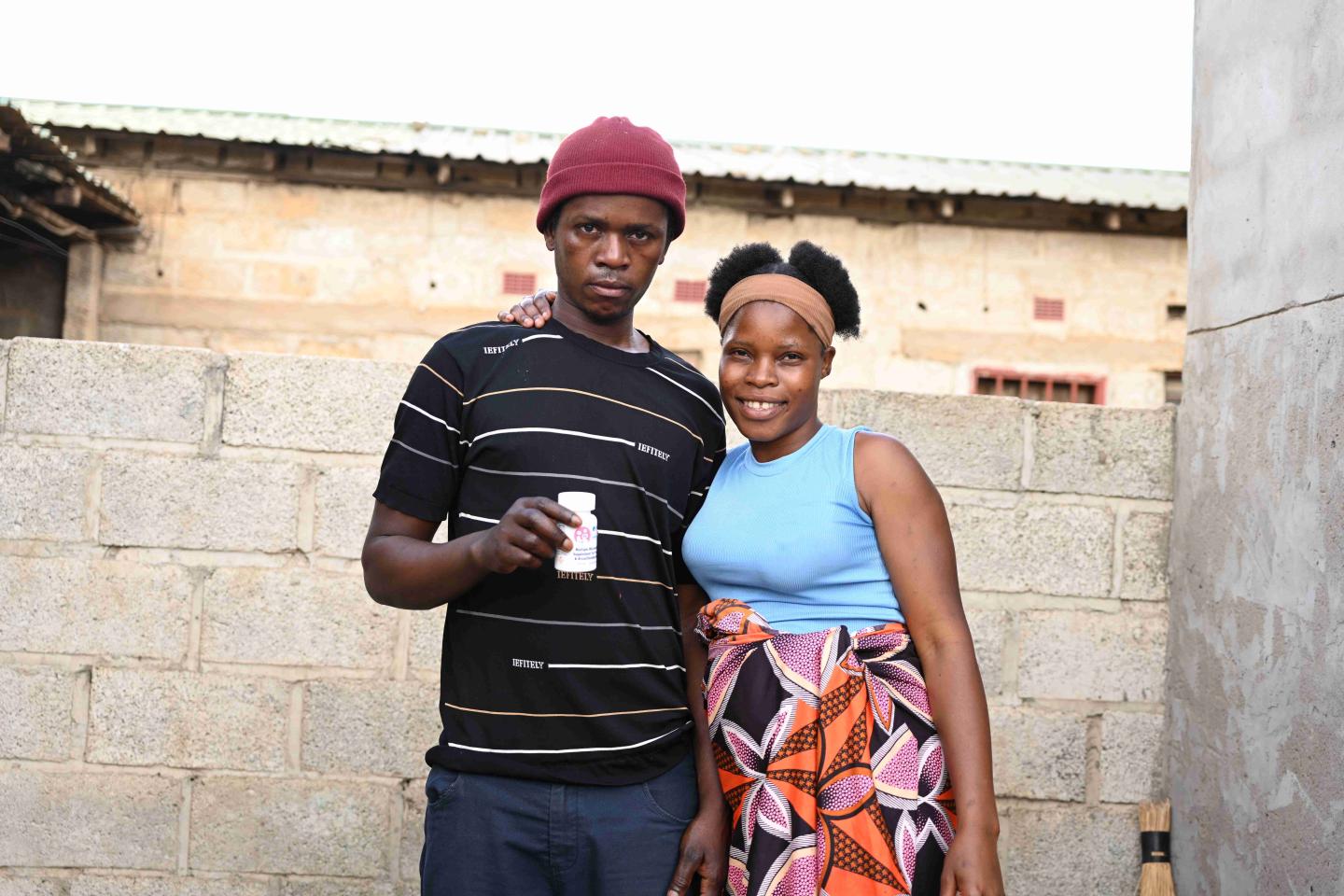
The MMS Project follows Vanessa through three stages: the first trimester, the middle of the pregnancy, and the postnatal period, grounded in the knowledge that consistent micronutrient supplementation can alter a child's future before complications arise.
Already, the dizziness that once dogged her first pregnancy has stopped, and Vanessa now eats meals without the old struggle. Across Mutengo Zone, Mercy Phiri has watched these same changes unfold among the women she serves, noting that "MMS has fewer side effects" than other supplements, making adherence possible where it once faltered.
When Vanessa looks at her calendar now, she sees twenty small marks of consistency, and her thoughts turn to the women in her community who still face the familiar hardships she once knew.
"I used to feel dizzy, but after I began taking the meds, I feel better," she said, speaking with the quiet confidence of someone who has found something that works. "I would encourage my friends to get onto MMS. The MMS helps the unborn child."
For Vanessa, what began as a simple bottle of tablets and a paper calendar has become something more: a second chance. She takes her tablet each day, eats her meals without the old struggle, and marks another line on the calendar. Aaron is learning alongside her. Mercy continues to show up at the clinic. And this time, Vanessa knows that when her baby arrives, she will have given them the strongest possible start. That is all she ever wanted.