Nyawa District Unites to Strengthen Child Protection By-Laws

By Christabel Mundike, Communications Officer
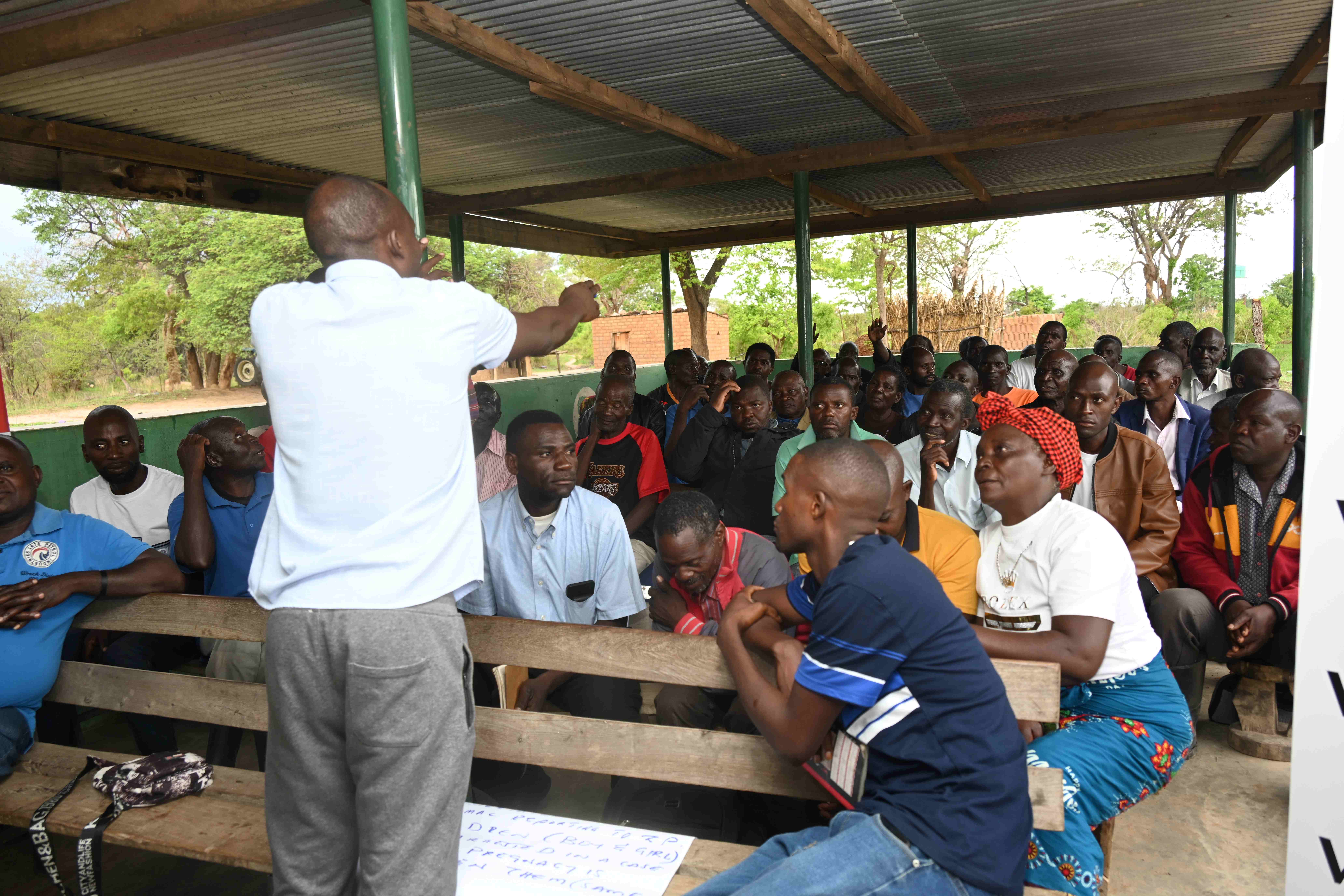

Children in Nyawa District, Southern Province, continue to face risks of violence, neglect, and limited access to safe, child-friendly reporting systems, challenges that are often worsened when their perspectives are not included in community decision-making. To address this, World Vision Zambia facilitated a multi-stakeholder meeting at the Nyawa Palace, bringing together children, civic leaders, men, and women to collaboratively develop Child-Protection By-Laws.
Speaking during the event, Jonathan Banda, Area Programme Manager for Nyawa, emphasised the significance of the gathering. “This day is critical because it reminds us that our children are at risk, and without stronger community-driven policies, harmful practices will continue to undermine their wellbeing, safety, and future potential,” he said.
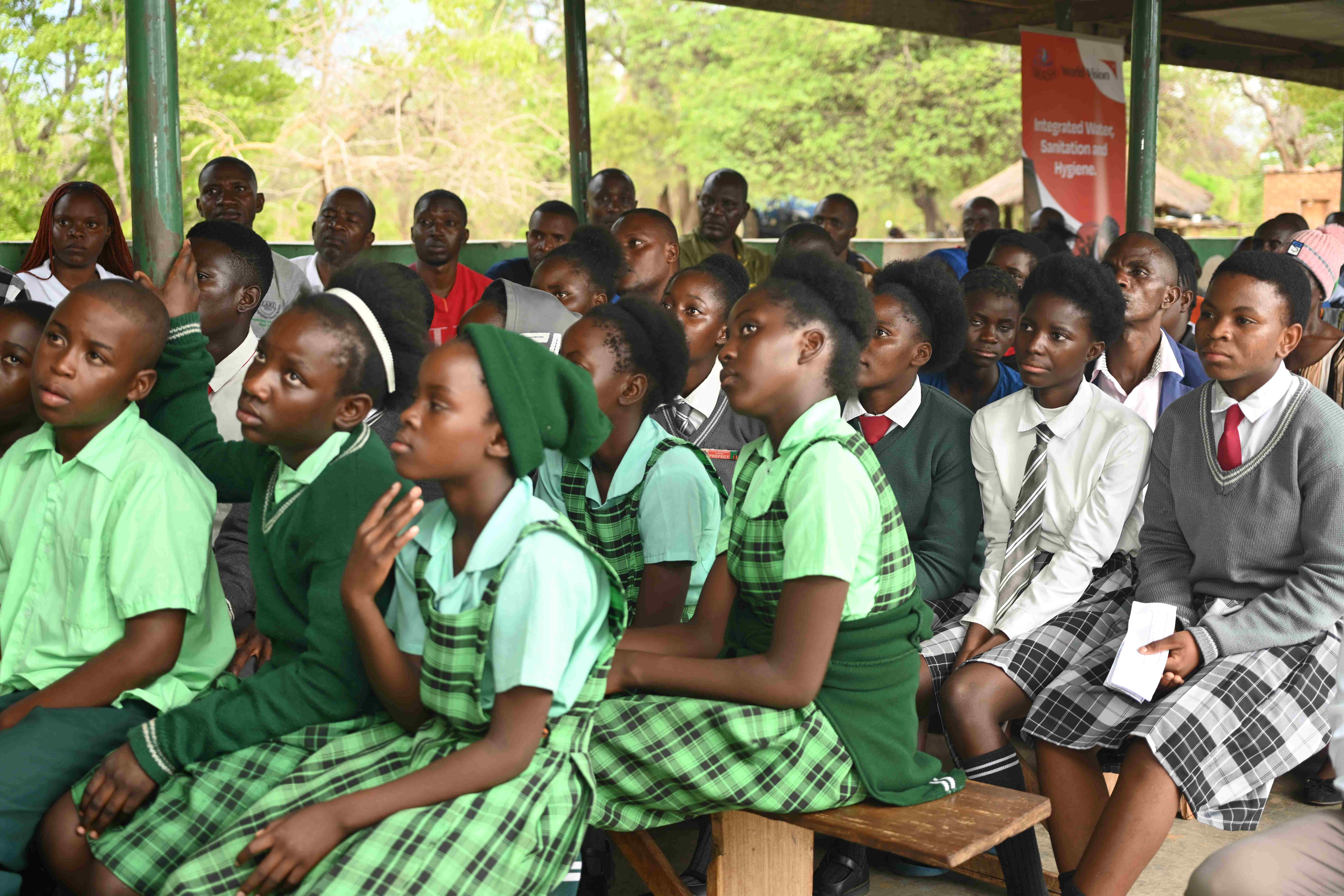
He further stressed that World Vision’s goal goes beyond protecting children. “Children must meaningfully participate in actions that support ending violence against children, including children with disabilities,” he added.
14-year-old Given, one of the children who participated in the formulation of the by-laws, expressed gratitude for being included in the process.
“I really appreciate the fact that our voices, calling for an end to child labour, early marriages, and teenage pregnancies, have been heard. All thanks to World Vision for giving us this opportunity to be part of the formulation of child-protection by-laws, because decisions about us cannot be discussed without us,” he says.
And Kazungula Town Council Secretary, Lubinda Mwale, also commended World Vision for spearheading the initiative.
“This initiative from World Vision calls for special recognition and encouragement,” he said. He noted that the council is committed to supporting the implementation of the by-laws once they are finalised," says Mwale.
“This process is not just about drafting documents; it is about transforming attitudes and strengthening systems that protect our children,” says Mr Mwale. “For too long, children have suffered in silence. These by-laws will help us close the gaps that allow abuse, neglect, and exploitation to continue.”
By creating a space where children can openly share their experiences and help shape the policies meant to protect them, the community is taking an important step toward strengthening prevention, accountability, and inclusion. This collaborative process is expected to result in child-centered by-laws, improved community ownership of protection measures, and a safer, more supportive environment where children’s rights are upheld, and their voices truly matter.