
When Faith Meets Action: Zambian Communities Turn Crisis into Lasting Investment

By Teddy Mofya, Faith and Development Specialist, Zambia
The 2023–2024 drought hit rural communities hard. Families who depended on a single source of income, most often farming, found themselves without enough to meet basic needs when the rains failed. The crisis exposed how fragile that dependence had become.
To help families recover and build greater resilience, World Vision Zambia adopted a three-pronged approach, bringing together three integrated models: Empowered World View (EWV), Citizen Voice and Action (CVA), and the School of Ministry. Each model addressed a different dimension of community wellbeing, mindset, civic engagement, and leadership development, and together they worked to strengthen households from the inside out.
Empowered World View (EWV) is a World Vision approach that helps communities examine their beliefs, values, and assumptions about the world around them. Through facilitated sessions, participants are encouraged to see themselves as active agents of change rather than passive recipients of aid, drawing on their faith and their own capabilities to address the challenges they face.
Through EWV training, farmers and faith leaders were equipped with a new way of seeing their situation. Rather than waiting for conditions to improve, they began identifying alternatives to maize farming, diversifying their livelihoods to reduce their exposure to climate shocks. The training also raised awareness of the value of formal education and organisational skills, encouraging participants to pursue qualifications that would help them lead their congregations and communities more effectively.
Citizen Voice and Action brought farmers and faith leaders together to engage local authorities on the steps needed to access external funding and support. Through sustained advocacy and persistent engagement with service providers, communities made their needs heard, and decision-makers responded.
A total of 60 faith leaders completed School of Ministry theological training, with their EWV experience serving as a foundation for that enrolment. They went on to apply for additional funding from local authorities, establishing saving groups within their congregations that gave members a structured way to save, borrow, and plan, reducing dependence on Sunday offerings and seasonal harvests alike.
The results have been tangible. Households now draw income from multiple sources. Community ties are stronger. And the linkages built through advocacy have opened doors to resources that were previously out of reach.
One of those doors opened for Pastor Asad Phiri of the Church of God Mission in Chongwe East, Rufunsa District. Pastor Asad leads a congregation of 105 members and is a father of six, three sons and three daughters.
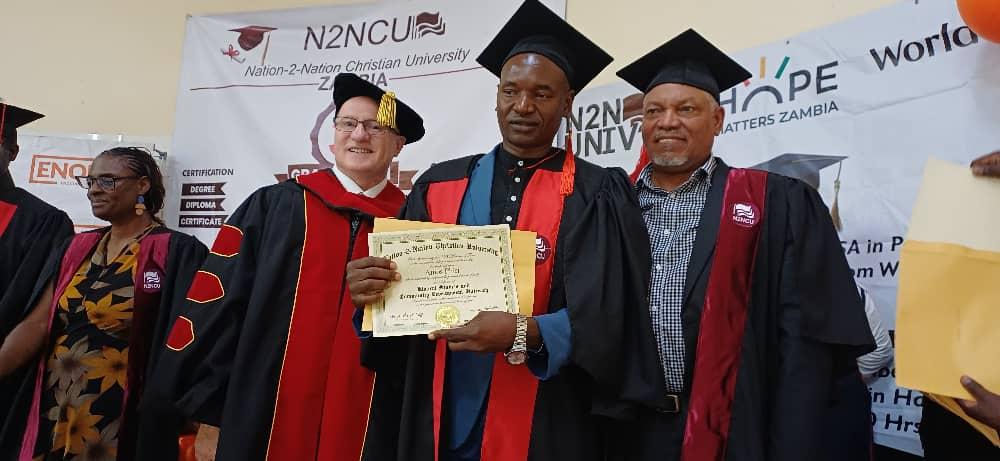
After completing EWV training and two years of School of Ministry, Pastor Asad embraced the CVA advocacy process and successfully accessed external funding of approximately USD 5,000. He used it to invest in livestock rearing, a deliberate move away from the uncertainty of farming and offering-dependent church income.
With organisational capacity building training behind him, he opened a bank account, established proper record books, and grew his livestock business methodically. Today, his livestock and associated infrastructure are valued at about K200,000 ($10,500 United States Dollars), more than double his initial investment.
That growth has reached his family directly. His children are well-nourished and attending school. His household, once vulnerable to the drought's effects, now stands on firmer ground.
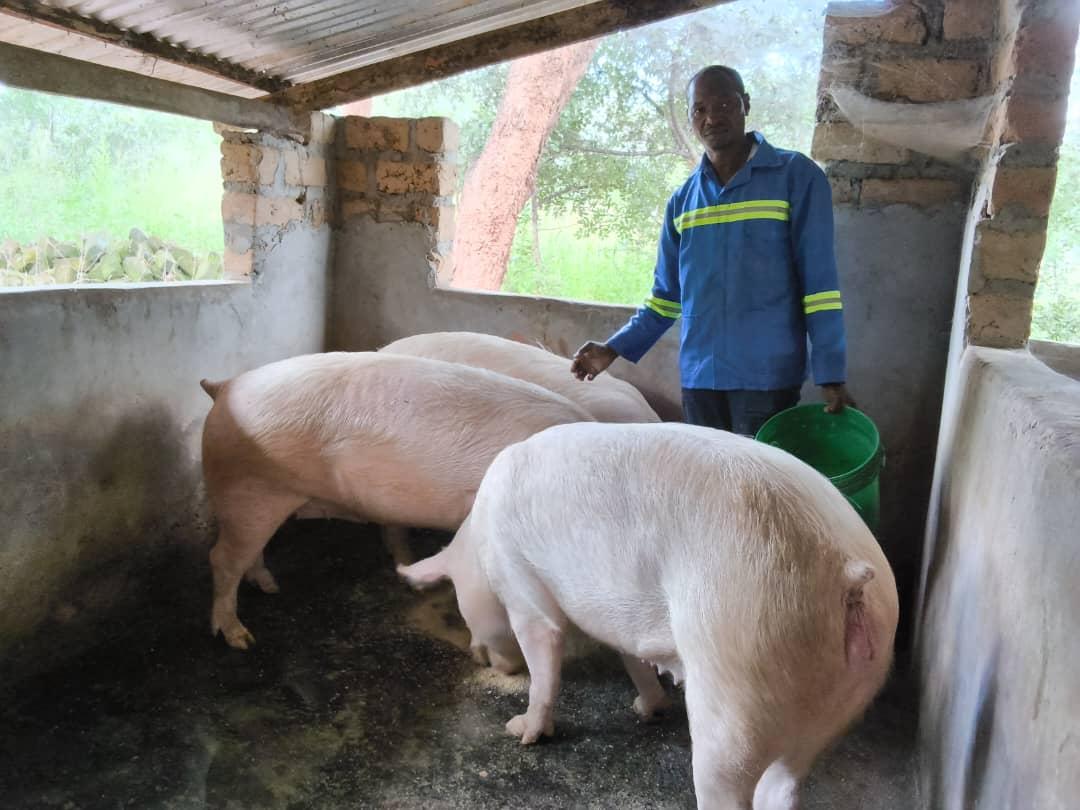
"Thank you, World Vision Zambia, for showing up for my community, my church, and my children when it really mattered," Pastor Asad says. "We survived the drought and are safe and secure, at the family, community, and church level. May God continue to bless World Vision Zambia and the friends of World Vision."
Pastor Asad is not alone. Across the program area, faith leaders who once relied solely on farming and church offerings are now running livestock businesses, leading saving groups, and passing what they have learned on to their congregations. The drought revealed a vulnerability. The response is building something more lasting in its place