
World Vision Marks the Conclusion of 16 Years of Partnership and Sustainable Development in South Hebron

In July 2026, World Vision celebrated the successful completion of its South Hebron Area Programme, marking the conclusion of a 16-year journey of partnership, resilience, and sustainable development in the lives of children.
Implemented with the generous support of our donors from Singapore, the programme worked alongside communities, local institutions, government ministries, volunteers, and partners to improve the lives of children and strengthen community resilience in some of the most vulnerable communities of the West Bank. Throughout this period, children in South Hebron faced unprecedented levels of violence, movement restrictions, economic hardship, and recurring protection risks, and it was in this complex operating environment that the programme was delivered, demonstrating the resilience of local communities and the value of long-term partnerships.
The closing ceremony brought together representatives from government institutions, local authorities, community leaders, schools, health partners, volunteers, and development partners to reflect on 16 years of shared achievements and celebrate a legacy that will continue long after the programme's completion.
"Today, we are not celebrating the end of a programme; we are celebrating a 16-year journey of partnership and a shared belief that every child deserves to live safely, learn, dream, and participate in shaping their future," said Nader Rahil, Zonal Manager, South Zone, World Vision. "Working in South Hebron has never been easy, but together with our communities, government partners, volunteers, and supporters, we remained committed to ensuring children have opportunities to thrive despite the challenges. The impact of this partnership will continue long after the programme's completion."
The South Hebron Area Programme covered 16 communities with a population of 25,700 people. Since its launch in 2010, It adopted a holistic, community-led approach that placed children at the heart of development, through interventions on education, health care, child protection, livelihoods, and youth development.
Over 16 years, close to 33,000 students benefited from education programmes that improved learning opportunities and strengthened children's resilience in the face of a difficult and often unpredictable environment. The programme rehabilitated schools, playgrounds, and WASH facilities, creating safer and more child-friendly learning environments, while strengthening the capacities of 682 teachers and school counsellors through training in child-centred learning, psychosocial support, and disaster risk reduction. In partnership with the Ministry of Education, World Vision also strengthened early childhood development by supporting 24 government kindergartens, training 95 kindergarten teachers, and directly benefiting more than 2,640 children.
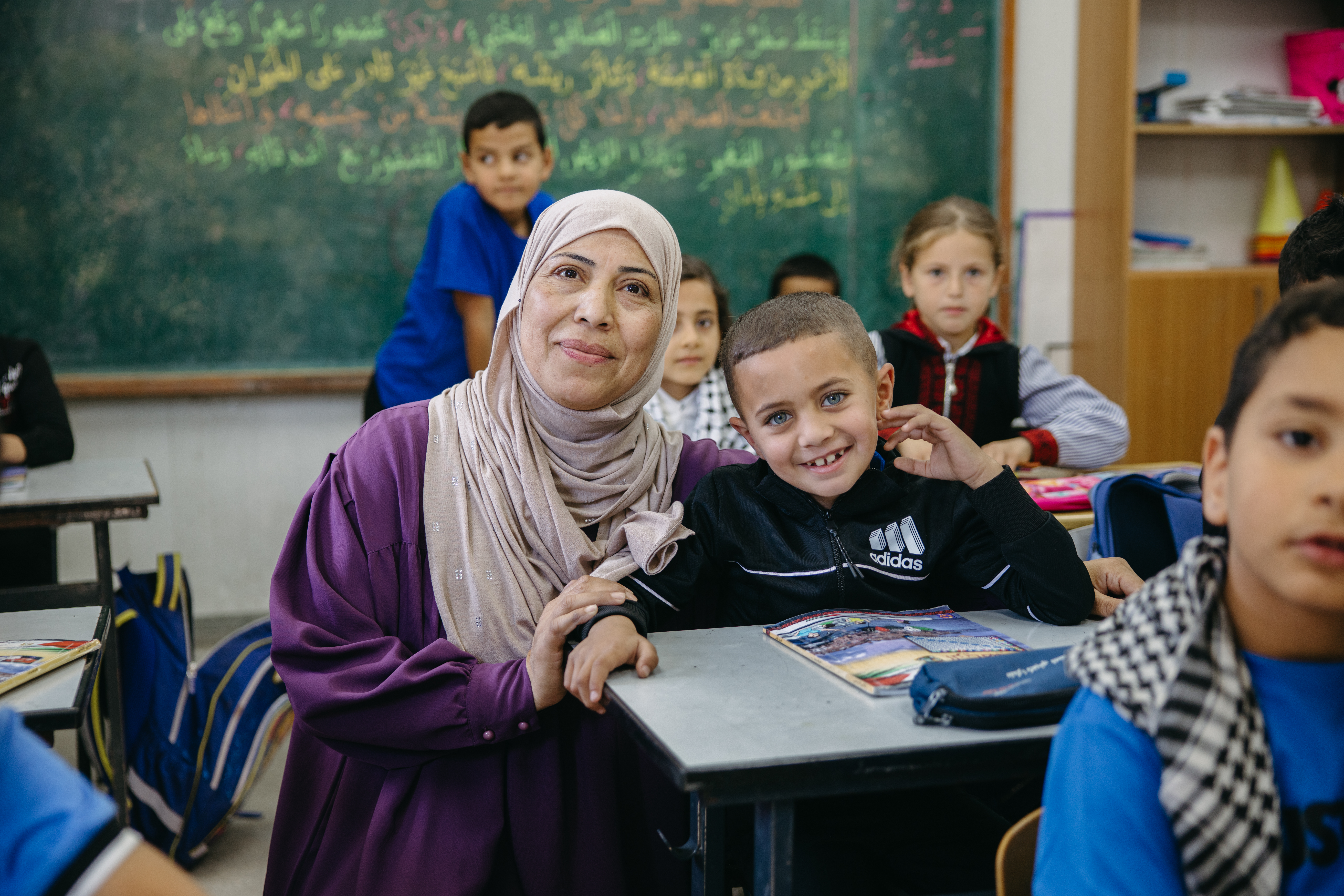
Highlighting the programme's contribution to education, Bassam Jaber, Director of Education in Yatta, said: "Our 16-year partnership with World Vision has strengthened education across South Hebron by improving school infrastructure, investing in teachers, and expanding early childhood education. Together, we have created safer and more supportive learning environments that will continue benefiting children for years to come."
The programme also strengthened primary healthcare services by training Community Health Workers, caregivers, and healthcare professionals, rehabilitating and equipping many health facilities, and improving maternal and child health, nutrition, early childhood development, and caregiving practices through close collaboration with the Ministry of Health and local health partners.
Working alongside the Ministry of Social Development, schools, municipalities, and community structures, World Vision strengthened child protection systems by promoting positive parenting, establishing Child Protection Advocacy Groups, improving referral mechanisms, and increasing community awareness of children's rights. These efforts contributed to safer environments for children while empowering them to become active participants in shaping their communities.
The programme also strengthened family resilience by expanding livelihood opportunities through vocational training, entrepreneurship support, and skills development initiatives for women and young people. Thousands of children participated in Makani Clubs and life skills programmes, where they developed confidence, leadership, communication, teamwork, and resilience through safe and supportive learning environments.
"For 16 years, we have witnessed the resilience of the children and communities of South Hebron," said Kyi Thwin Tun, Head of International Programmes, World Vision Singapore. "While the programme comes to a close, the hope, partnerships, and lasting impact we have built together will continue to shape brighter futures for children."
The success of the South Hebron Area Programme reflects the power of long-term partnership and sustained investment in children. World Vision extends its sincere appreciation to World Vision Singapore for its unwavering commitment throughout the programme's journey. World Vision also thanks the Palestinian Ministries of Education, Health, and Social Development, local councils, schools, community-based organisations, volunteers, sponsors, donors, and community members whose collaboration made these achievements possible.
Rather than simply delivering services, the programme invested in strengthening local systems and community ownership. Today, many of its approaches, including local kindergartens, Community Health Workers, child protection mechanisms, and community-led structures, have been institutionalised or integrated into local and national systems, ensuring that its impact will continue long after the programme's closure.
Although the South Hebron Area Programme has come to an end, the challenges facing its children — violence, movement restrictions, economic hardship, and protection risks among them — have not. However, through stronger schools, healthier communities and empowered families, these children are now more confident, resilient, and better equipped to manage these challenges and shape their futures.
For more information, please contact:
Mathieu Andre, Communications & Advocacy Manager at World Vision Jerusalem - West Bank, mathieu_andre@wvi.org I +41 78 242 92 44