
A Future Inspired by Nature, Built by Sahida

Every morning, Sahida Begum steps into her yard and sees signs of a future she once struggled to imagine.Goats graze nearby. Hens and ducks wander between patches of shade. A basket of freshly collected eggs waits to be sold. For Sahida, these are more than household assets they are small reminders that her family is becoming more secure.
Life was not always this way.
Living on the edge of the Sundarban in Sarankhola, Sahida spent years focused on day-to-day survival. As a mother caring for her family, including her son with a disability, her priorities were simple: food on the table, medicine when illness came, and the hope that her children could continue their education.
When income was scarce, the forest often helped fill the gap. For families living near the Sundarban, nature provides food, fuel, and livelihoods. But every tree lost leaves communities more vulnerable to storms, floods, and the growing impacts of climate change. Over time, Sahida began to see that protecting nature and protecting families are deeply connected.
Through community discussions on climate resilience, tree preservation, and sustainable livelihoods supported by World Vision Bangladesh, she started exploring new ways to support her family while reducing pressure on the surrounding environment. The journey was not easy.
When Sahida first invested in livestock and poultry, the returns were slow. There were setbacks along the way. But she persisted. The sale of eggs brought her fir
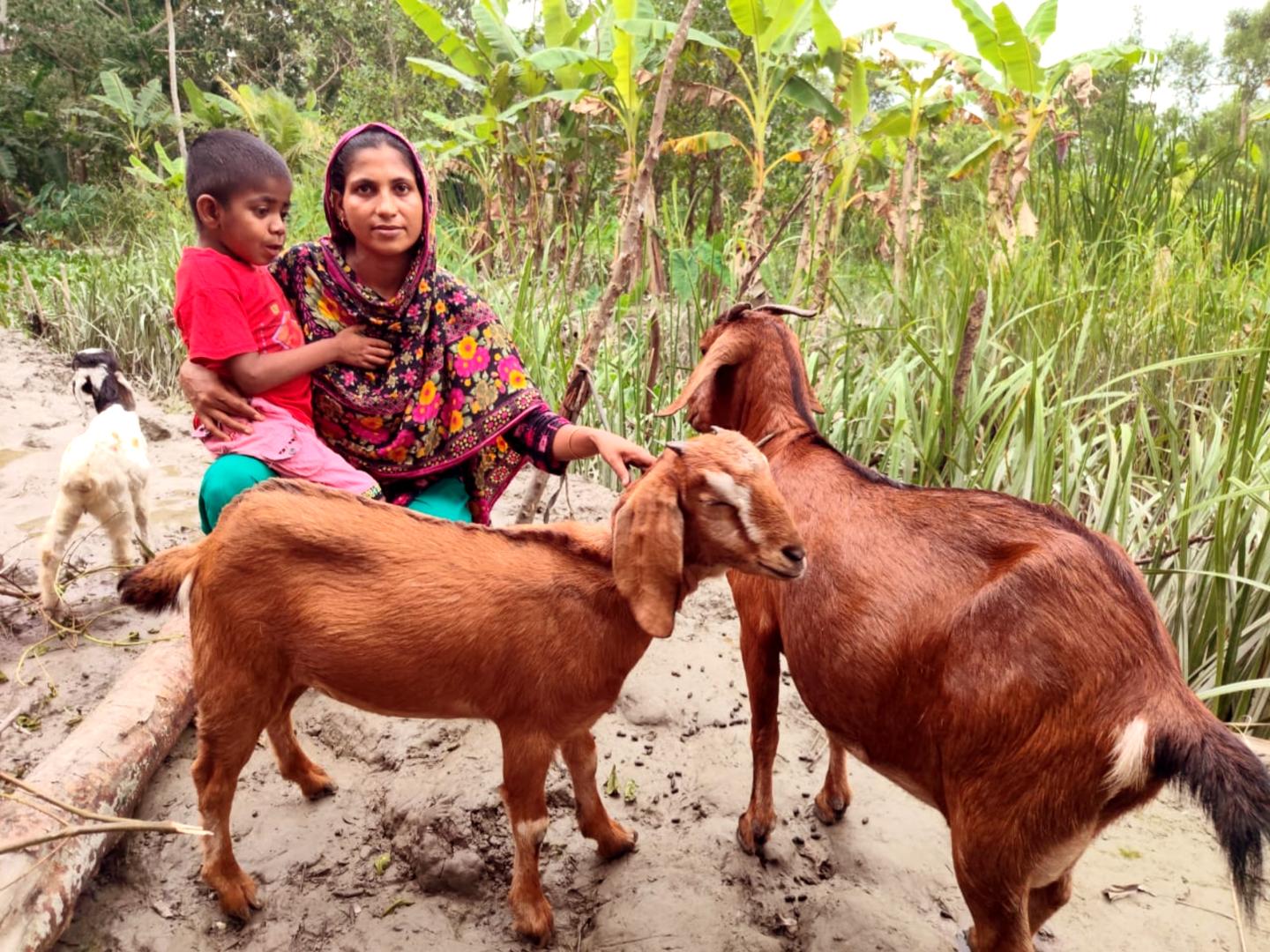
st earnings. That income helped pay household expenses, support her children's education, and purchase medicine for her son.
Over time, her livestock and poultry assets grew to an estimated value of BDT 30,000. Alongside the growing income came a growing confidence. Sahida learned livestock and poultry management, homestead gardening, tree care, and introduced an energy-efficient cooking stove that reduced the need for firewood. What began as a way to support her family gradually became a commitment to protecting the natural resources that sustain her community.
Today, she encourages others to plant trees, adopt sustainable practices, and look for alternatives that reduce dependence on the forest. Her message is simple: a family's future does not have to come at the expense of nature.
The future she imagines is also simple a future where children can stay in school, families can earn a living with dignity, and the Sundarban remains strong enough to support generations to come. And in the small choices she makes every day, that future is already taking root.