
Women Entrepreneurs Transform Dry Fish Production in Moheshkhali

On the coastal shores of Moheshkhali Island, where fishing boats line the horizon and the sea shapes daily life, 24-year-old Dipa is building a future she once thought impossible.
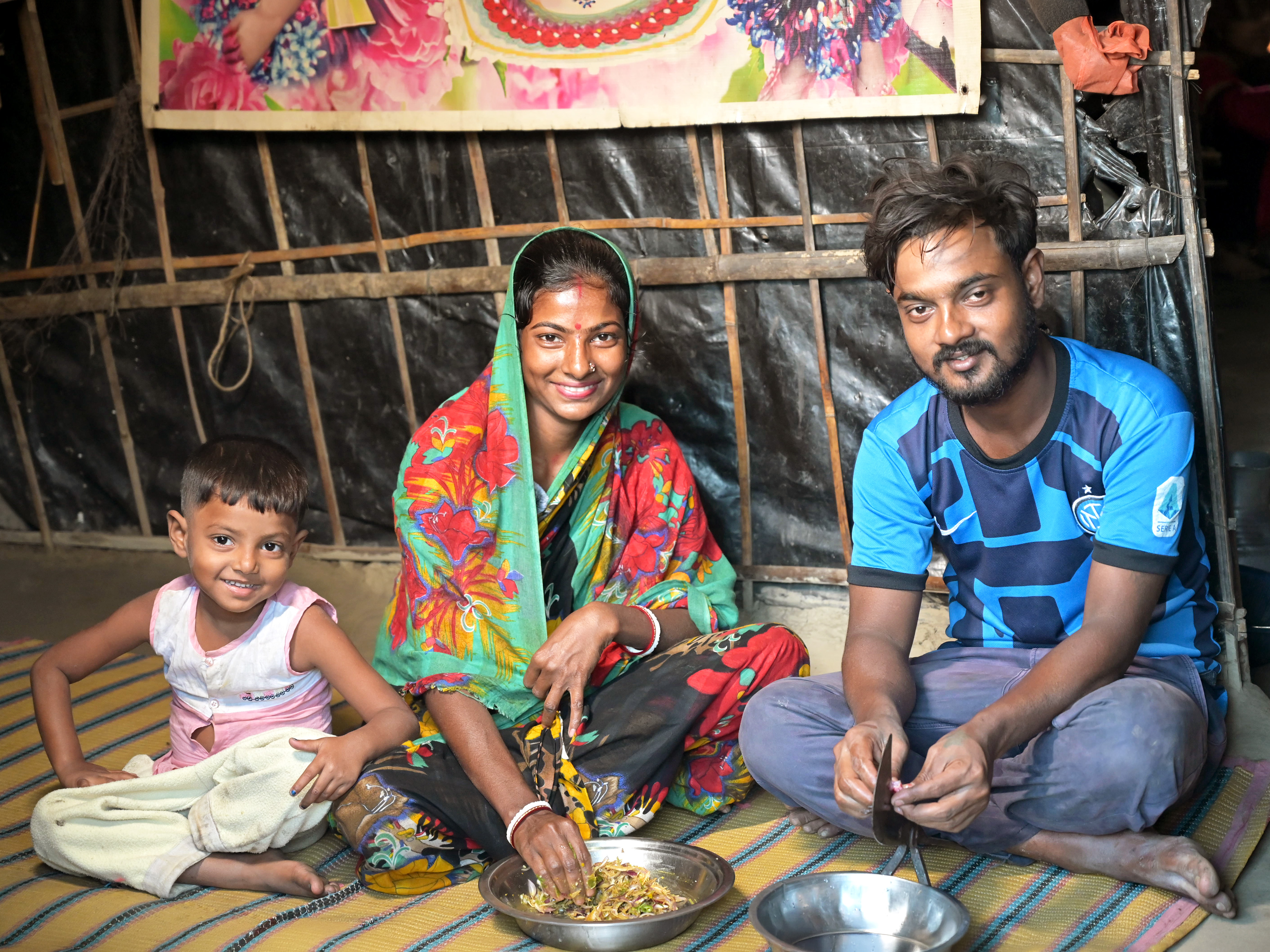
Dipa lives in a small fishing village with her husband and two children. Like many women in her community, she had to leave school early because of financial hardship. With limited opportunities available, she spent her days helping with small-scale fish drying while her husband worked as a day labourer. Income was unpredictable, and the family often struggled to meet their needs.
Everything began to change in 2019 when Dipa joined a dry fish producer group supported by World Vision Bangladesh. Through the programme, she received training in modern fish drying techniques, food safety standards, and market connections. The initiative also provided essential equipment, including solar panels, boats, drying racks, storage drums, and protective clothing.
With these resources and skills, women like Dipa were able to move away from informal, unhygienic drying practices and build safer, more productive enterprises.
Today, Dipa works alongside eighteen women in her producer group, processing loittya, lakkha, churi, shrimp, and other dried fish. Together, they handle between one and two metric tonnes of fish each month, supplying both local markets and wholesale buyers in Cox’s Bazar.
The income has brought meaningful changes to their lives. Families can now invest in children’s education, cover household expenses, and reinvest in their businesses. For many women, the work has also brought confidence, independence, and a stronger voice in household and community decisions.
Recognising the challenges of storage and fluctuating market prices, World Vision Bangladesh also supported the establishment of a centralised cold storage facility in Gorokghata, Pan Bazar. Managed by a trained local committee, the facility helps maintain fish quality, reduce transport costs, and allow producers to sell their products when market prices are favourable.
In just three months, the storage facility preserved around 6,000 kilograms of dried fish—demonstrating the growing scale and organisation of the women-led enterprise.
Dipa’s story reflects a broader transformation taking place across Moheshkhali. With improved skills, access to equipment, and community infrastructure, women are turning traditional livelihoods into sustainable businesses.
Through collective effort and targeted support, women like Dipa are not only improving their families’ incomes but also shaping a stronger, more resilient future for their communities and the next generation.