
Women’s Leadership and the Future of WASH Systems in Bangladesh

Written by Engr. Ahasanul Kabir Sabbir, National Coordinator-WASH, World Vision Bangladesh
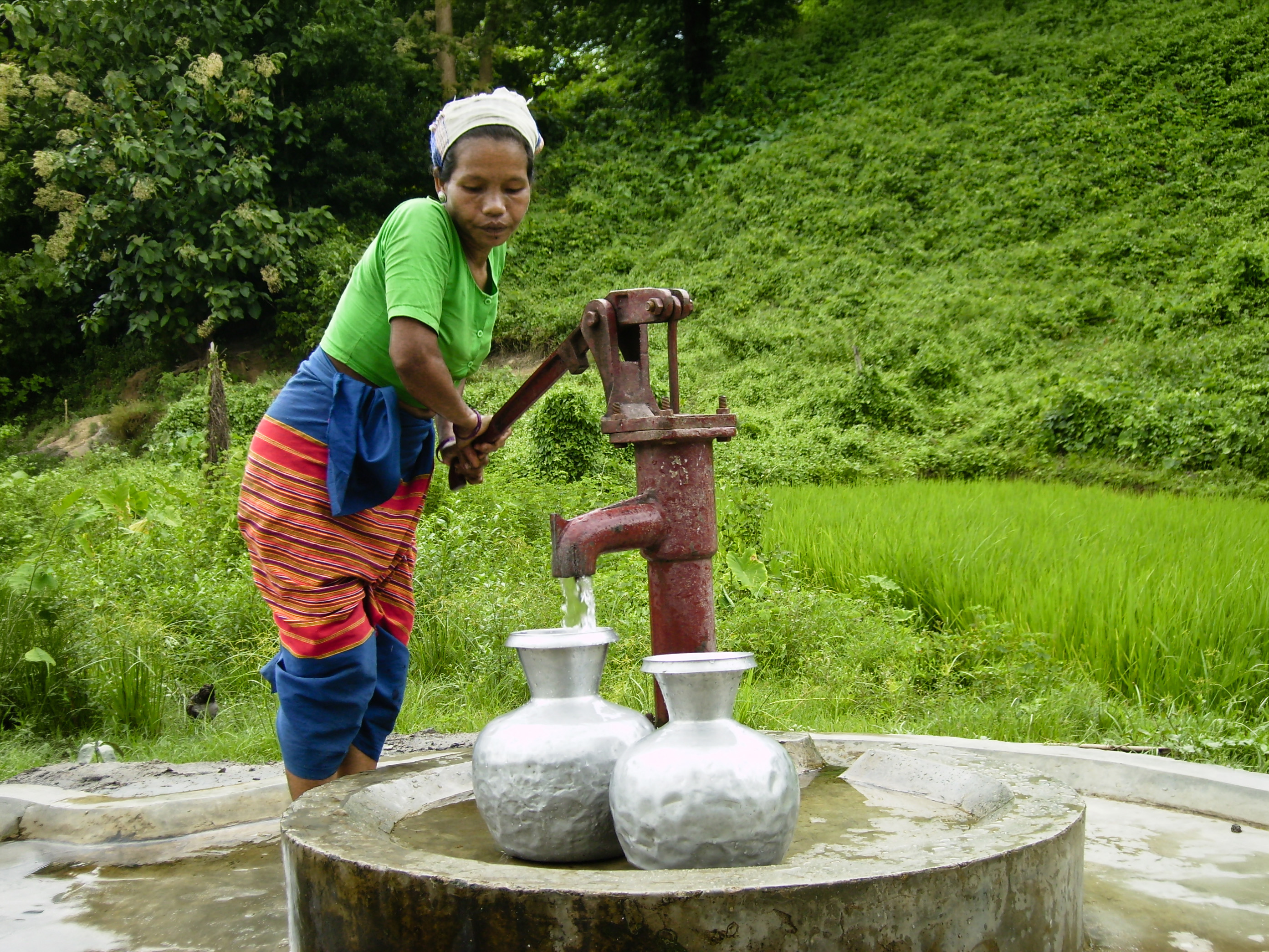
Across Bangladesh, women and girls carry the daily burden of water. They collect, store, treat, and use it to care for their families. They are the first to notice when a tube well runs dry, when a pump stops working, or when a sanitation facility becomes unsafe. Yet despite this deep knowledge and responsibility, women’s voices remain under-represented in the planning and governance of water and sanitation systems.
This gap is more than a matter of fairness. It is a strategic blind spot that weakens the effectiveness and sustainability of WASH (Water, Sanitation and Hygiene) services. If Bangladesh is to achieve safely managed water and sanitation for all, women’s leadership must move from the margins to the centre of WASH systems.
From Beneficiaries to Decision-Makers
Historically, development programmes have often framed women as beneficiaries of water and sanitation interventions. In reality, women are already managers of household water systems. They understand seasonal variability, household hygiene behaviours, and the difficult trade-offs families make when water is scarce.
Recognising this knowledge requires a shift in how WASH systems are designed and governed. Women should not simply be invited to participate—they should be enabled to lead. This means serving on water-user committees, supervising maintenance systems, monitoring service functionality, and contributing to decisions about financing and infrastructure management.
When women occupy leadership roles in community water governance structures, the focus of decision-making often shifts toward long-term service reliability, safety, and accountability.
Why Leadership Matters for WASH Systems
Participation alone does not guarantee influence. True leadership requires authority, representation, and the ability to shape decisions.
This skill is particularly important as WASH systems become more complex. Climate change, rapid urbanisation, and population growth are placing increasing pressure on water resources and sanitation infrastructure. Navigating these challenges requires diverse perspectives and locally grounded knowledge.
Women’s leadership strengthens decision-making in several ways:
Improved service functionality.
Women leaders often prioritise preventive maintenance, water-point cleanliness, and timely repairs, which helps reduce system downtime.
More inclusive infrastructure design.
Women raise critical issues such as privacy in sanitation facilities, safe access after dark, menstrual hygiene management, and accessibility for children and persons with disabilities.
Stronger behaviour change.
Women are trusted communicators within households and communities, accelerating the adoption of safe water handling, handwashing, and sanitation practices.
Greater resilience to shocks.
In disaster-prone regions, women leaders play a key role in preparedness and response—ensuring continued water access during floods, cyclones, and disease outbreaks.
These outcomes are not theoretical. They are increasingly being observed in practice.
Lessons from Community Water Governance
In Cox’s Bazar district, WASH committees supported under the Improving Access to WASH for Rural Communities in Ramu (IWR) Project funded by the Ministry of Foreign Affairs of Japan provide an example of how gender-inclusive governance can strengthen water services.
Within these committees, women represent a majority of members, holding leadership positions as chairpersons and co-chairs. This shift has improved oversight of maintenance activities, strengthened transparency in financial management, and ensured that infrastructure decisions reflect community needs.
When women leaders monitor water quality, track maintenance funds, and coordinate repairs, systems are more likely to remain functional over time. In effect, leadership translates into better service outcomes.
Bangladesh’s Emerging WASH Challenges
Bangladesh has made remarkable progress in expanding access to water and sanitation. However, new challenges are emerging.
Climate change is intensifying salinity intrusion in coastal districts, while cyclones and floods repeatedly disrupt water infrastructure. Rapidly growing cities such as Gazipur and Narayanganj struggle to extend safely managed services to informal settlements. Meanwhile, public health emergencies continue to highlight the importance of reliable hygiene systems.
In each of these contexts, women are the first responders within households – managing water for cooking, hygiene, and care during illness. Yet their insights are rarely integrated into planning processes.
If Bangladesh is to build climate-resilient and inclusive WASH systems, the governance structures responsible for these services must reflect the realities of who manages water every day.
Moving from Intent to Implementation
Advancing women’s leadership in WASH requires practical institutional changes.
First, leadership targets should be established. Community water committees should aim for balanced representation, with women holding key leadership positions such as chairperson or secretary.
Second, capacity-building must go beyond symbolic inclusion. Women leaders need access to technical training, management skills, and mentorship networks that enable them to participate confidently in system oversight.
Third, accountability mechanisms should be strengthened. Women leaders can play an important role in monitoring service functionality, collecting water-quality data, and reporting service breakdowns to utilities and local governments.
Finally, donors and development partners should treat women’s leadership as a measurable outcome, tracking leadership roles, influence in decision-making, and improvements in service sustainability.
A Strategic Opportunity
Water systems are foundational to health, education, and economic productivity. When those systems fail, women and girls bear the heaviest burden.
However, when women lead in WASH governance, services tend to last longer, reach more people, and respond faster during crises.
For Bangladesh, the pathway to resilient water systems will not depend solely on new infrastructure or financing models. It will also depend on who sits at the decision-making table.
Ensuring women’s leadership within WASH systems is therefore not simply a gender agenda—it is a practical strategy for delivering stronger, more sustainable water and sanitation services for everyone.