
BEYOND BREAKFAST: Building sustainable school feeding systems

At Chi Meak Primary School in Kampong Thom province, the school breakfast program is helping children come to school ready to learn. For students such as Grade 5 learner, Julie, a daily meal at school means less hunger in class and more energy to study. But the impact extends well beyond one child. Through the School Feeding Program, World Vision funded by McGovern-Dole Food For Education Program through the World Food Programme has supported school feeding to improve nutrition, attendance, and concentration, while also preparing schools and local authorities to manage the program sustainably. At Chi Meak Primary School teachers, cooks, student leaders, and school committees help manage hygiene, food storage, meal service, and monitoring.
Julie’s mother says, “Meals reduce pressure on poor households and help children focus on school”, while school staff report that children attend more regularly and are more motivated to learn.
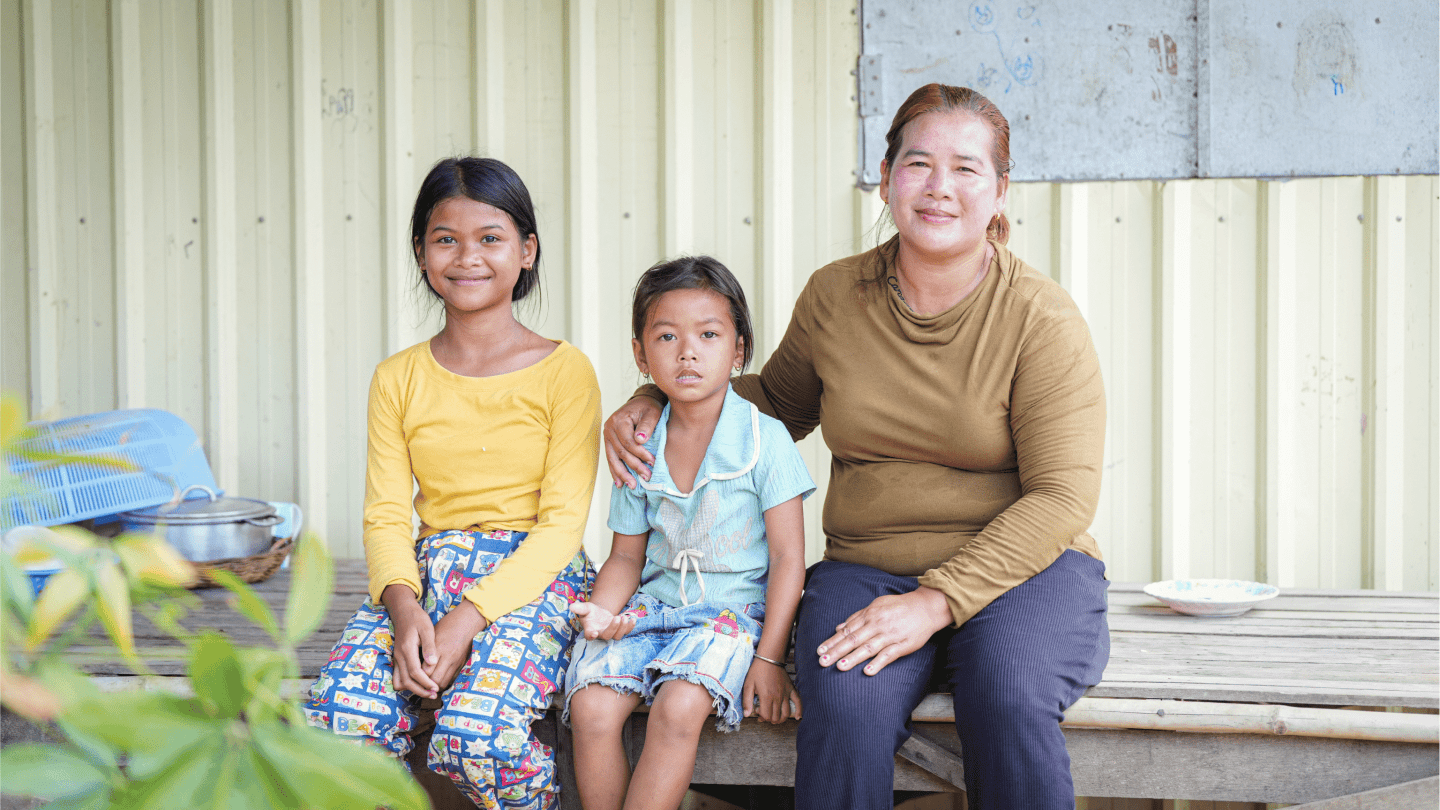
“When children receive meals, they are motivated to come to school,” explains Lak Oun, the school principal. “It reduces dropout and repetition, especially for children from poor families.”
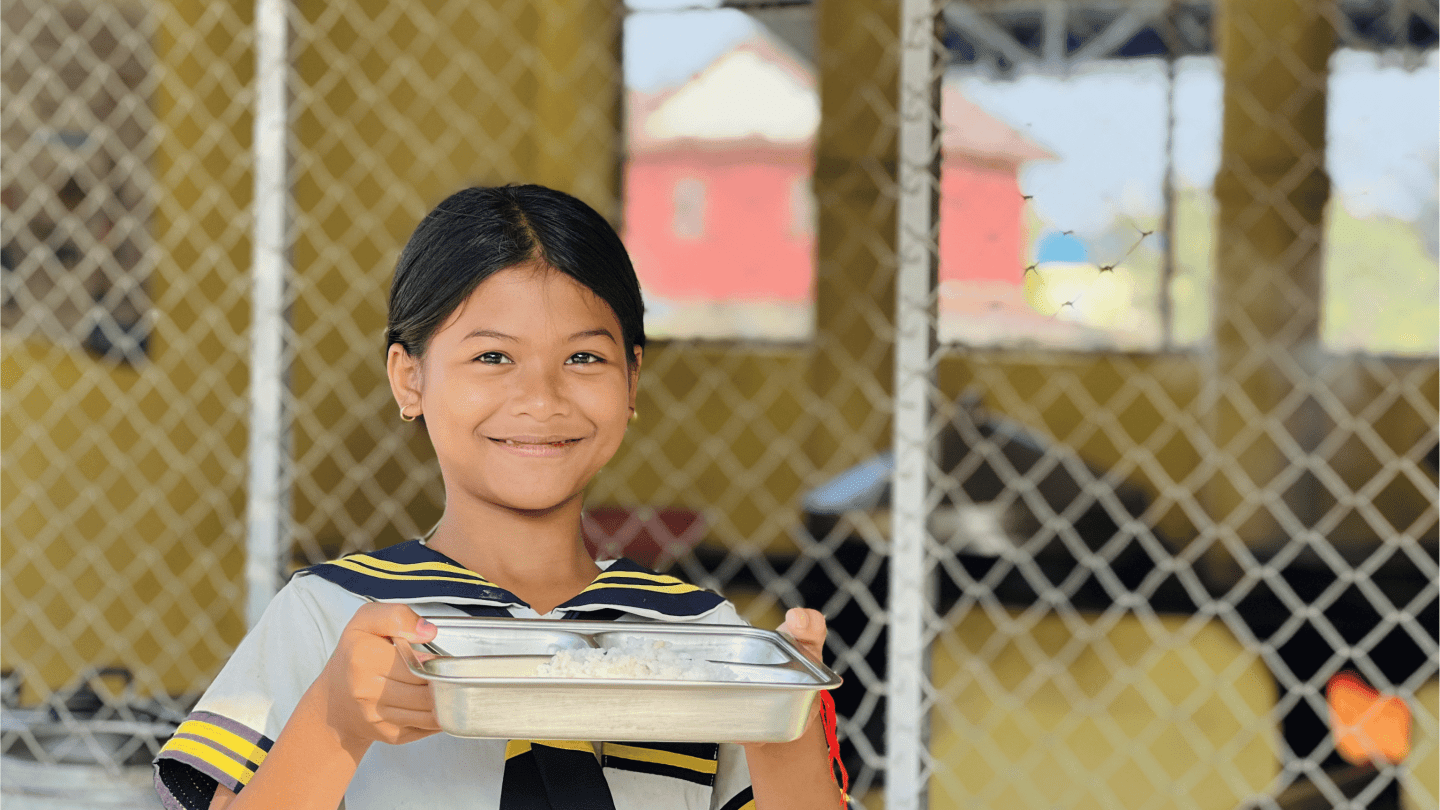
This school-level progress reflects broader results across the Cambodia School Feeding Project. Since 2017, World Vision, in partnership with the World Food Programme and provincial education authorities, has supported 316 primary schools and reached 136,612 students with school meals and complementary support.
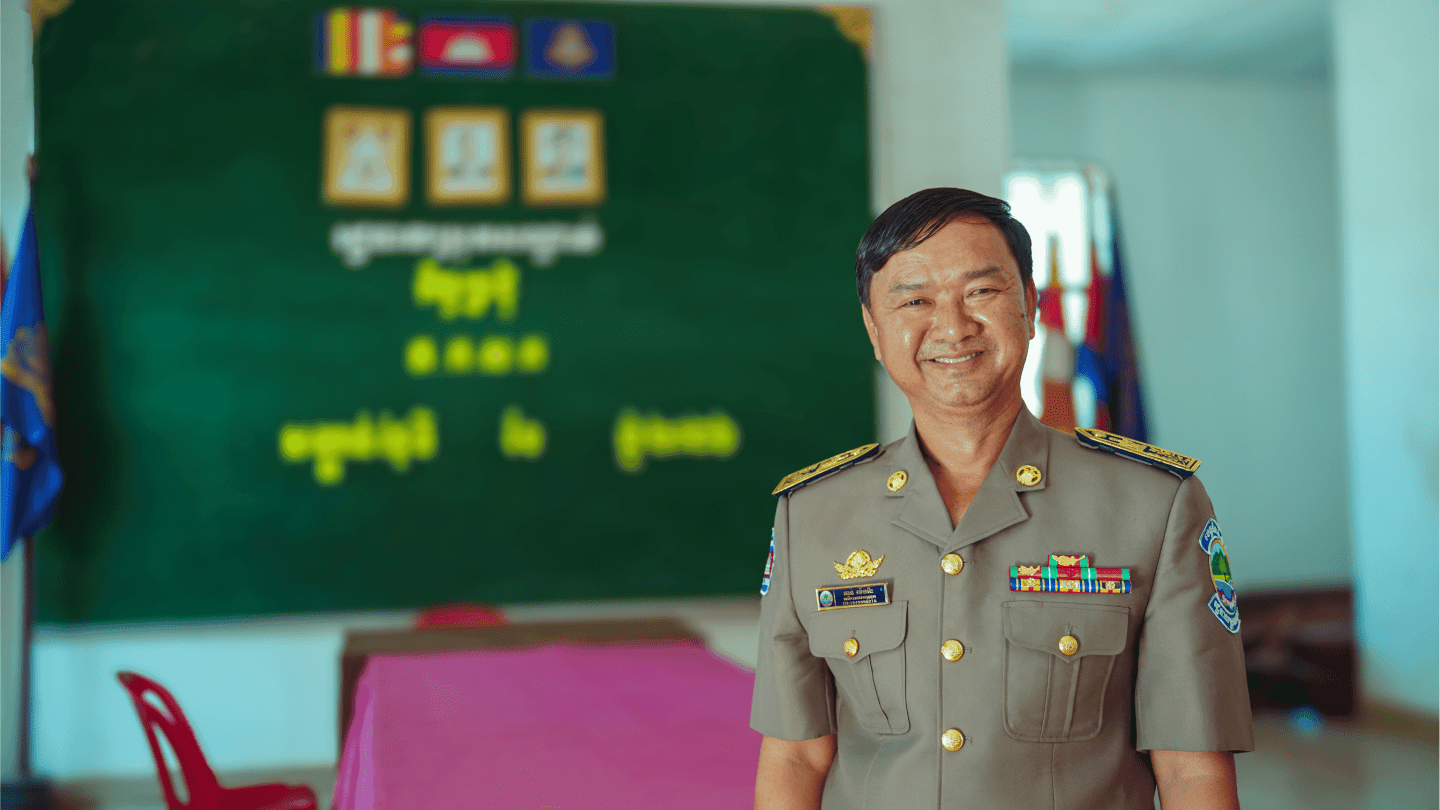
Photo caption: Tan Meng Chhic, Deputy Governor of Sandan District in charge of education, highlights the benefits of school meals in improving nutrition, reducing dropout rates, and supporting attendance in this remote district.
The project has also strengthened the systems needed for long-term sustainability, including training school feeding committees, improving hygiene and nutrition practices, and upgrading infrastructures through 47 standard kitchens constructed, 109 kitchens rehabilitated, 170 fuel-efficient stoves built, 133 eating shelters built, 56 new latrines constructed, 105 non-functional latrines upgraded, 40 model school gardens built, 25 rain water tanks built, 77 new boreholes drilled, 66 non-functional boreholes rehabilitated, 516 group handwashing stations installed, 998 water filters provided, 7,288 barsoaps provided, 4,155 scoccer balls provided, 2,942 bicycles distributed, 7,946 student uniforms distributed, 6,648 shoes distributed, 6,616 backpacks distributed, 6,566 school supply kits, and 12330 student hygiene/sanitation kits distributed.
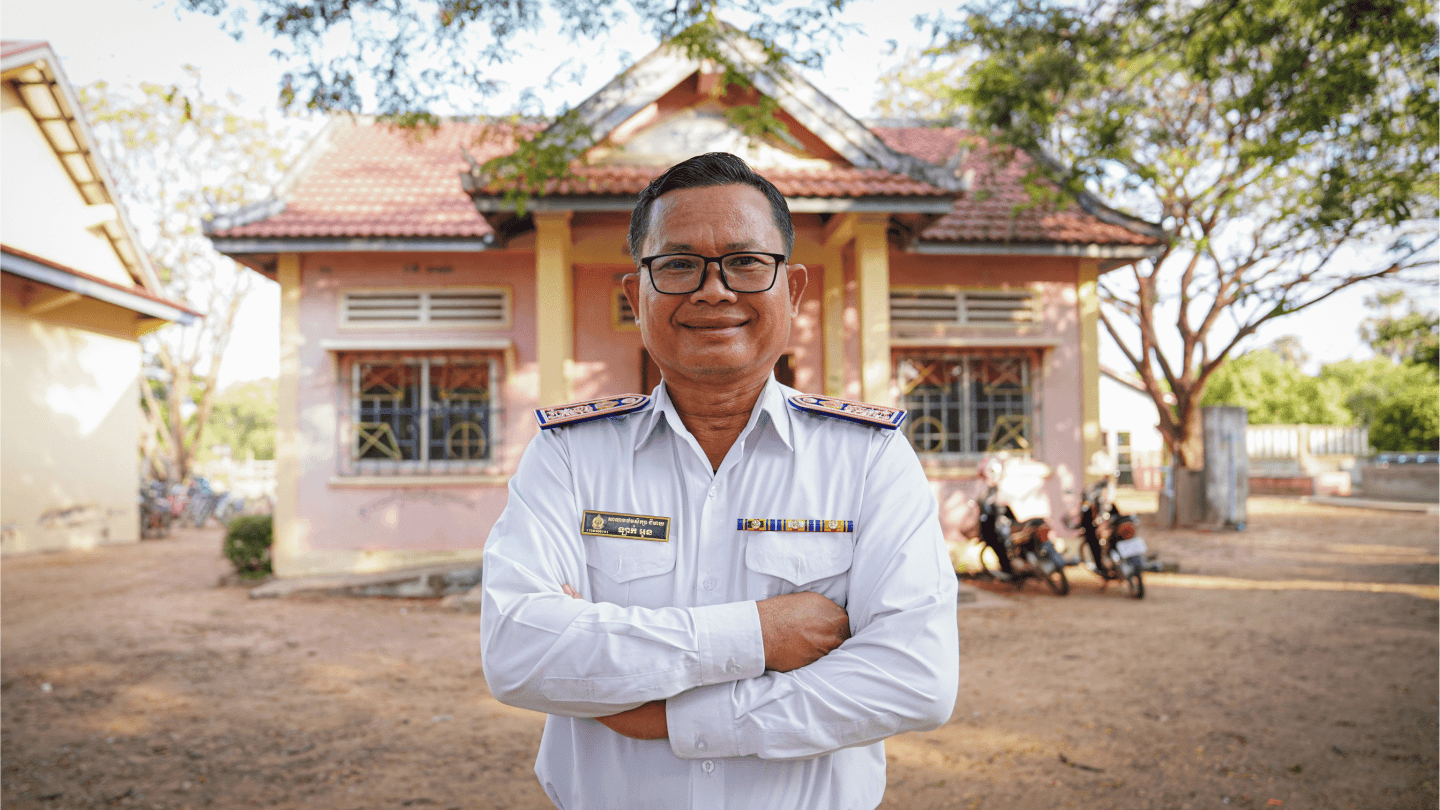
Caption: Mr. Lak Oun, Principal of Chi Meak Primary School, is committed to strengthening the learning environment and safeguarding the quality of the school meal programme.
Transition to government leadership is already underway, with 241 of 316 schools handed over to government national budget management. At the community level, parents continue to make voluntary contributions to support ingredients and maintenance, while local authorities are increasing their oversight. Together, these efforts show that school feeding in Cambodia is not only helping children learn today, but also building the local ownership needed to sustain results after project phase-out.
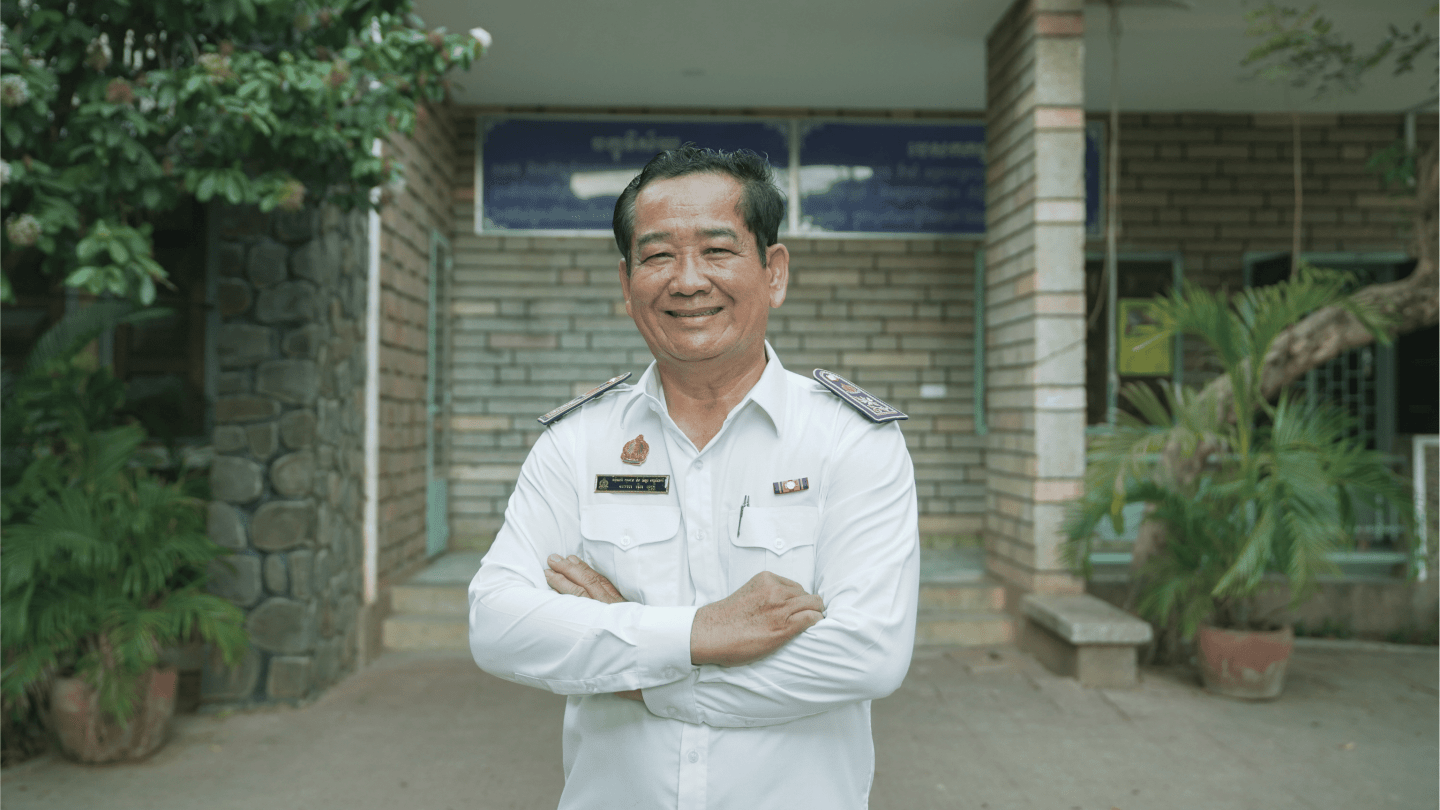
Photo caption: Ith Vuthy, Deputy Director of the Education Department, emphasizes government ownership of the program and its continuation beyond partner support.
Story credit: Seine Ol, and Photo credit: Um Vanndeth