
It Ends with Me: A Mother’s Determination to Break the Cycle of Child Marriage

When Dima Wario speaks about child marriage, she does not speak as an observer. She speaks as someone who lived it.
She was only nine years old when her parents married her off to a 90-year-old man in North Horr, Marsabit County. At that age, she was too young to understand what was happening to her, only that her childhood had suddenly ended.
“My parents married me off after my elder sister died and left behind five children,” Dima says, her voice low and steady. “They thought I could take care of them, even though I was just a child myself.”
Instead of going to school and growing up with other children her age, Dima was thrust into marriage and motherhood before she had even learnt what either meant. She was expected to behave like an adult, to care for children, and to carry responsibilities far beyond her years.
Life in that marriage was cruel.
“My husband abused me. I was beaten for not ‘behaving’ like an adult, yet I was still a child,” she says.
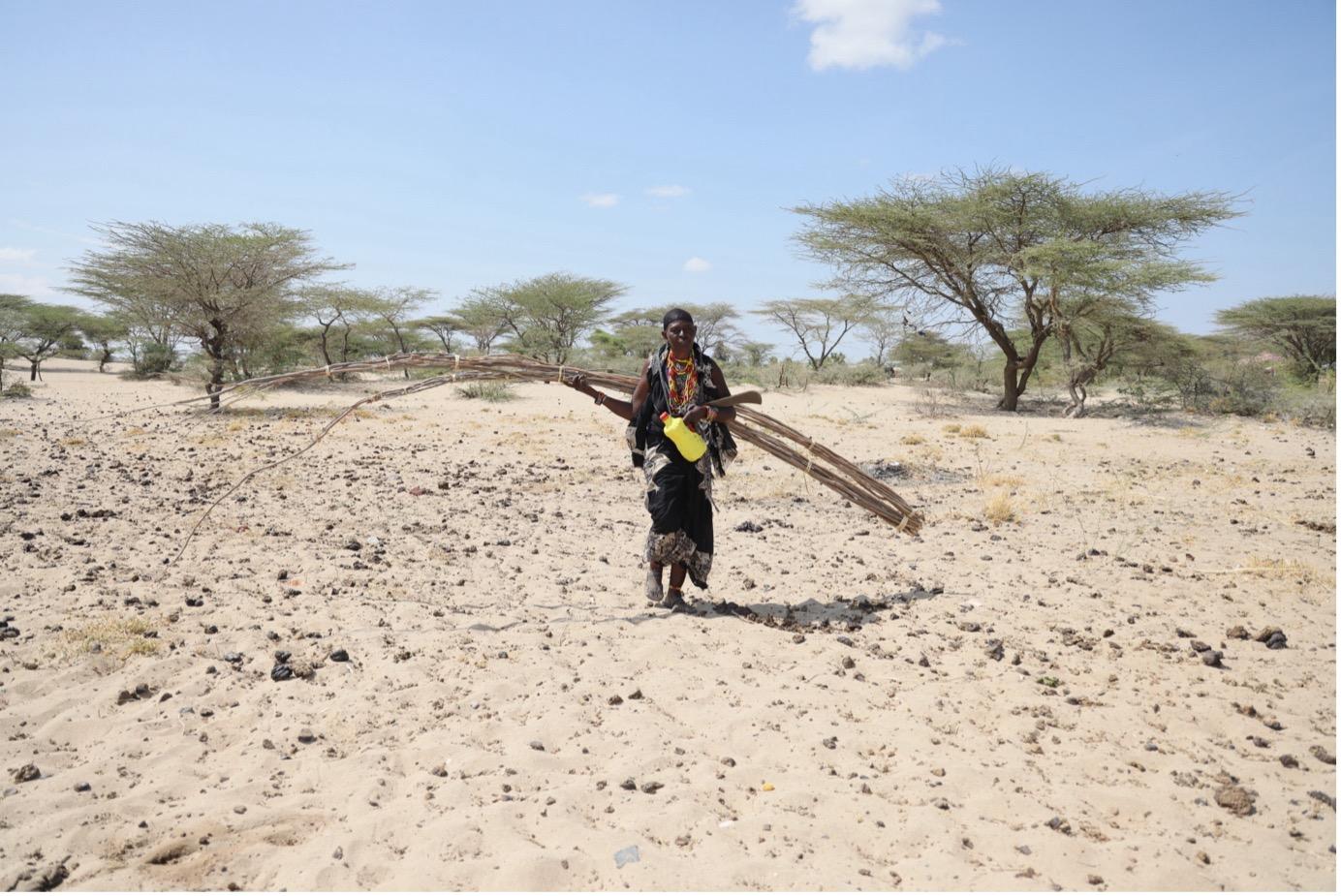
When her husband later died, Dima was left carrying yet another burden. She had to raise 10 children, her own five and the five children her late sister had left behind. In a place where survival is already difficult, she did whatever she could to keep them fed. She burnt charcoal, fetched firewood and worked long, exhausting days just to provide for them.
“Taking care of them was not easy,” she says.
But somewhere in the middle of all that pain and responsibility, Dima made a decision.
Her daughters would not live her life.
“I took all my children to school because I didn’t want them to experience what I went through,” she says firmly.
In a community where child marriage remains deeply rooted, that decision has not come without pressure. Suitors have come asking for her daughters. The expectation that girls should be married off young still lingers. But Dima has refused to bend.
“The pressure has been there, but I have remained steadfast,” she says. “I also talk to my daughters about the dangers of child marriage.”
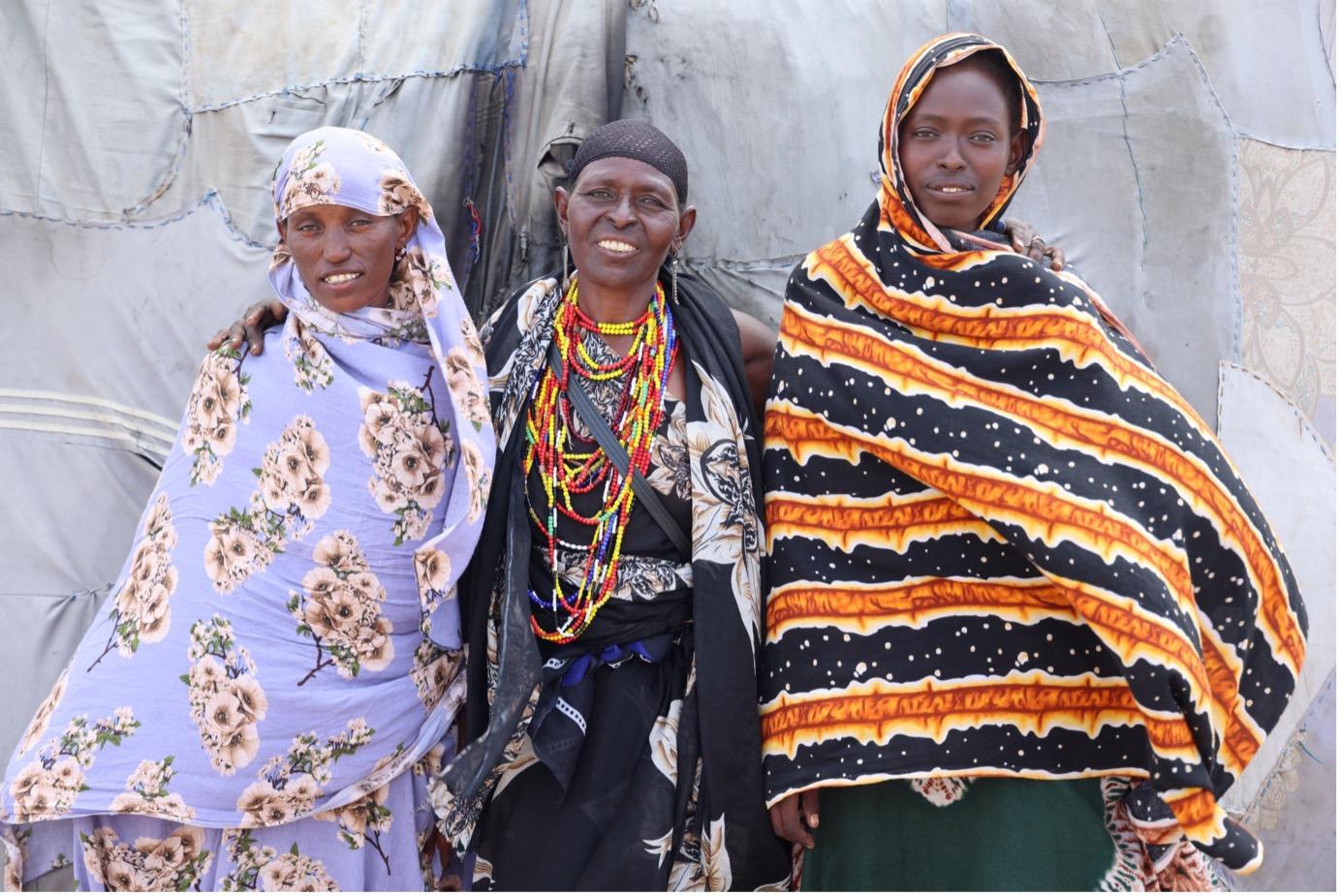
For Dima, protecting her daughters is not only about saying no to early marriage. It is also about trying, every day, to build a different future for them, one with education, dignity and choice.
That journey gained new momentum in April 2025, when World Vision’s Big Dream to End Child Marriage programme introduced a Savings for Transformation (S4T) group in her village.
Until then, Dima had never been part of a savings group. But after taking part in World Vision’s Empowered Worldview training, she joined with 24 other women to form the first group in the village.
“I had never been in a savings group before,” she says. “When World Vision trained us on Empowered Worldview, we formed the first group with 24 other women.”
For Dima, the group has become more than a place to save money. It has become a source of possibility.
Through the group, she has been able to save regularly and take a loan to start a small shop at home. She still sells firewood and makes roofing mats, piecing together different sources of income to support her family. Every effort is driven by one goal: making sure her children, especially her daughters, have a better life than the one she had.
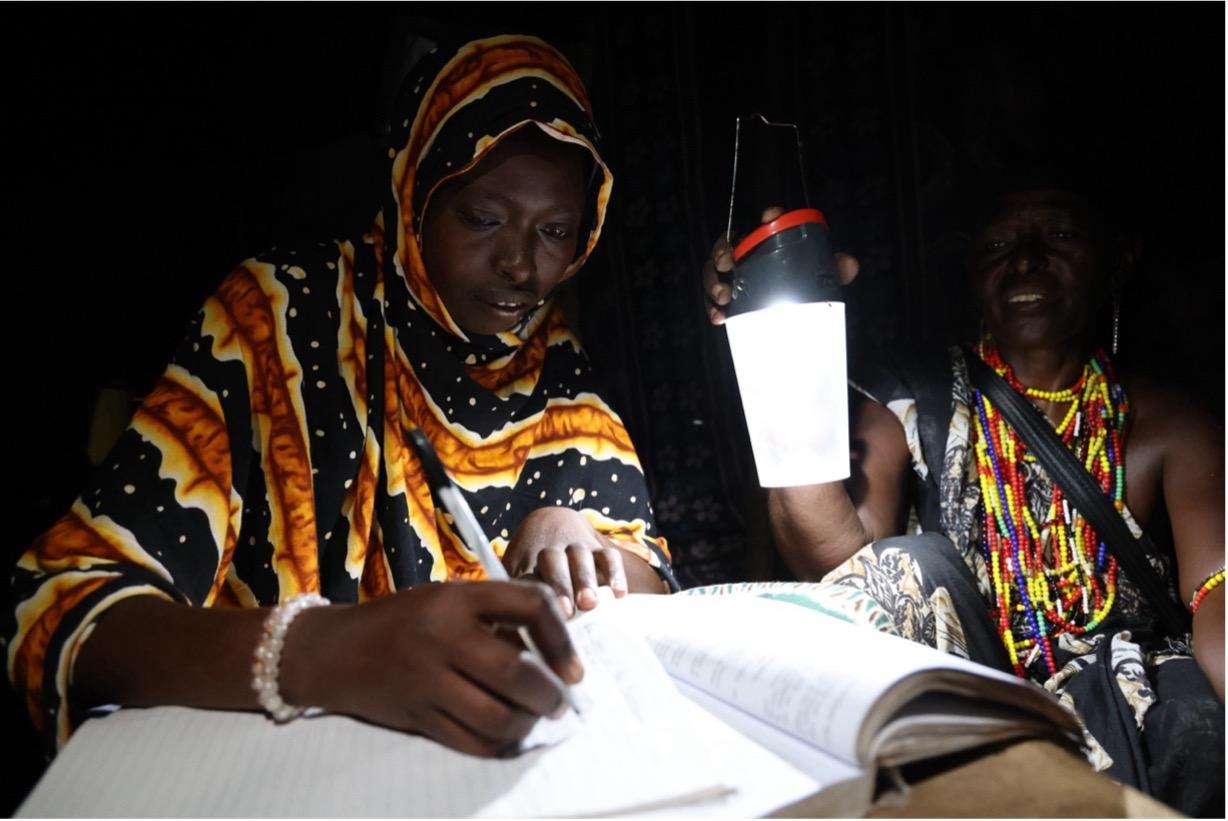
Her youngest daughter, Rebecca, is now in Grade 6 at North Horr Primary School. She is among 1,710 children who received solar lamps through the programme to help them study at night.
Dima treasures that lamp for what it represents.
“I hold this lamp for my daughter as she studies,” she says with a smile. “I am lighting the way for her so she never has to endure the pain I did.”
Today, Dima is a member of the Biqiltu S4T group, which started in April 2025 and has already built a joint savings portfolio of KES 132,000. Each share costs KES 100, but for Dima, the value of those savings goes far beyond money. They represent school fees, food, small business capital and, above all, a chance to keep her daughters in school and out of child marriage.
After a long walk through the scorching bush, Dima pauses to sip water from a jerrycan and reflect on the life she is working so hard to change.
“Every step I take through this bush is one my daughters will not have to take,” she says. “I want them to have better lives than I had.”
Dima’s story is one of survival, but it is also one of defiance. She knows the pain of child marriage because she lived it. And now, with every decision she makes, every shilling she saves and every day she keeps her daughters in school, she is drawing a line between their future and her past.
For Dima, the cycle of child marriage ends with her.
By David Nderitu, Communications Specialist, Big Dream to End Child Marriage, World Vision Kenya