
The Power of Asking: How Community Action Brought Schools in Samburu County

In two villages in Samburu County, Soit Naibor and Ntepes, children once had little chance of staying in school. Many girls were at risk of child marriage and female genital mutilation (FGM), while boys spent their days herding livestock.
Through the Citizen Voice and Action (CVA) approach, community members organized themselves, engaged duty bearers, and petitioned for change. Their advocacy paid off, leading to government commitment of Kshs 7.6 million (58,461 USD) towards school infrastructure. Today, both Soit Naibor Primary School and Njeesioni Primary School have more than 200 learners each, offering children a safer and more hopeful path through education.
For six-year-old Serianae, that change is already her lived reality.
Each morning, she walks to Soit Naibor Primary School alongside other children from her village, books in hand, ready for class. It is now a familiar routine, but not long ago, it would have been unimaginable. Soit Naibor had no school at all. Children stayed at home, herded livestock, or helped with household chores. In nearby Ntepes, the situation was much the same. The existing early childhood class enrolled only 24 children, while many others never entered a classroom at all.
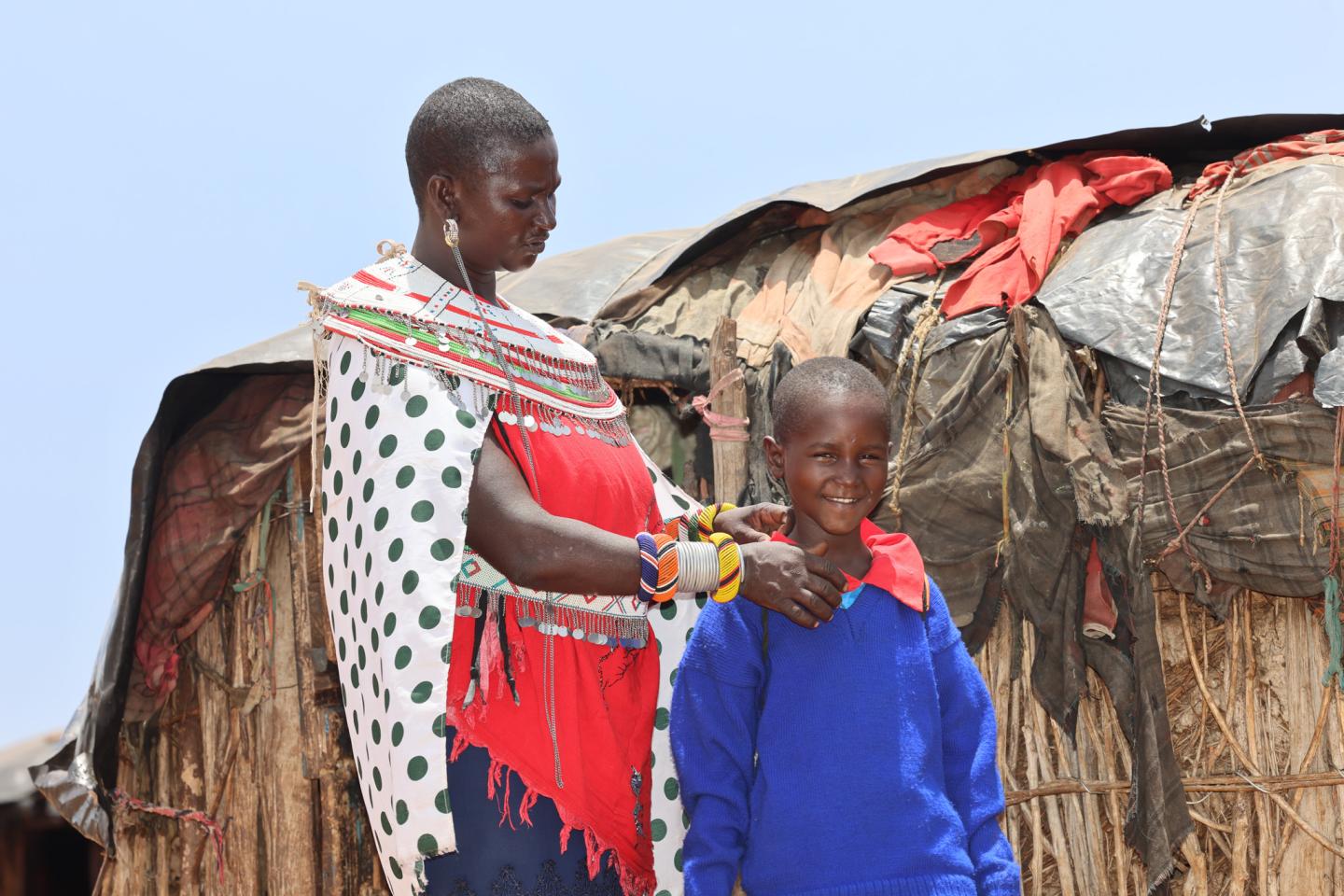
For girls, the stakes were even higher. Without a school nearby, many were growing up on a path that led away from childhood and into child marriage and FGM.
Serianae’s mother, Sinteya, knows this reality well. She never had the chance to go to school and was married while still a child. Today, she serves on the school board and actively encourages girls in her community to stay in school and to dream beyond the life she once thought was her only option.
“This school has been a lifesaver for our village,” Sinteya says. “Now our children, especially our girls, have a chance to learn and follow their dreams just like children in other parts of the country.”
That shift did not happen by chance. It came because the community chose to challenge what had long been accepted as normal.
In Soit Naibor, learning once happened under a tree. There was no classroom, no structured system, and no trained teacher. A volunteer who had completed secondary school did his best to support the children, but attendance remained inconsistent and learning was limited.
In Ntepes, the situation was reflected in the numbers. Four years ago, the local ECD class had only 24 learners. Most children stayed at home, boys herding livestock and preparing for life as Morans, while girls carried out domestic chores and were often guided toward early marriage instead of education.
Parents in both villages understood what was being lost. They could see their children growing up without the opportunities enjoyed elsewhere. What they lacked was a structured way to demand change.
That began to shift in 2023, when World Vision, through the then Kenya Big Dream Programme (now the Big Dream to End Child Marriage Programme), introduced communities in Samburu to the Citizen Voice and Action (CVA) approach.
CVA is a social accountability approach that helps communities identify gaps in services and engage duty bearers to respond. In Samburu, it is implemented through the Samburu Community Social Accountability Network, a structure that brings together young people and elders from nine wards.
In each village, community members identify the issues affecting children. These are taken up to the wider network, compiled into memoranda, and presented to government offices for action.
At first, the work was driven mainly by young people. Progress was slow. When the elders joined in, the dynamic changed. Young members drafted the memoranda and the elders carried them into meetings and follow-ups with government officials. Their voices carried further together.
Faith, one of the CVA champions, says the aim is simple: to make sure children are not left behind when services fail.
In Soit Naibor, it started with a request for an ECD centre. The community followed up repeatedly with county offices until the government responded with two classrooms, a kitchen, and a teacher.
Then came the next problem. Where would the children go after ECD?
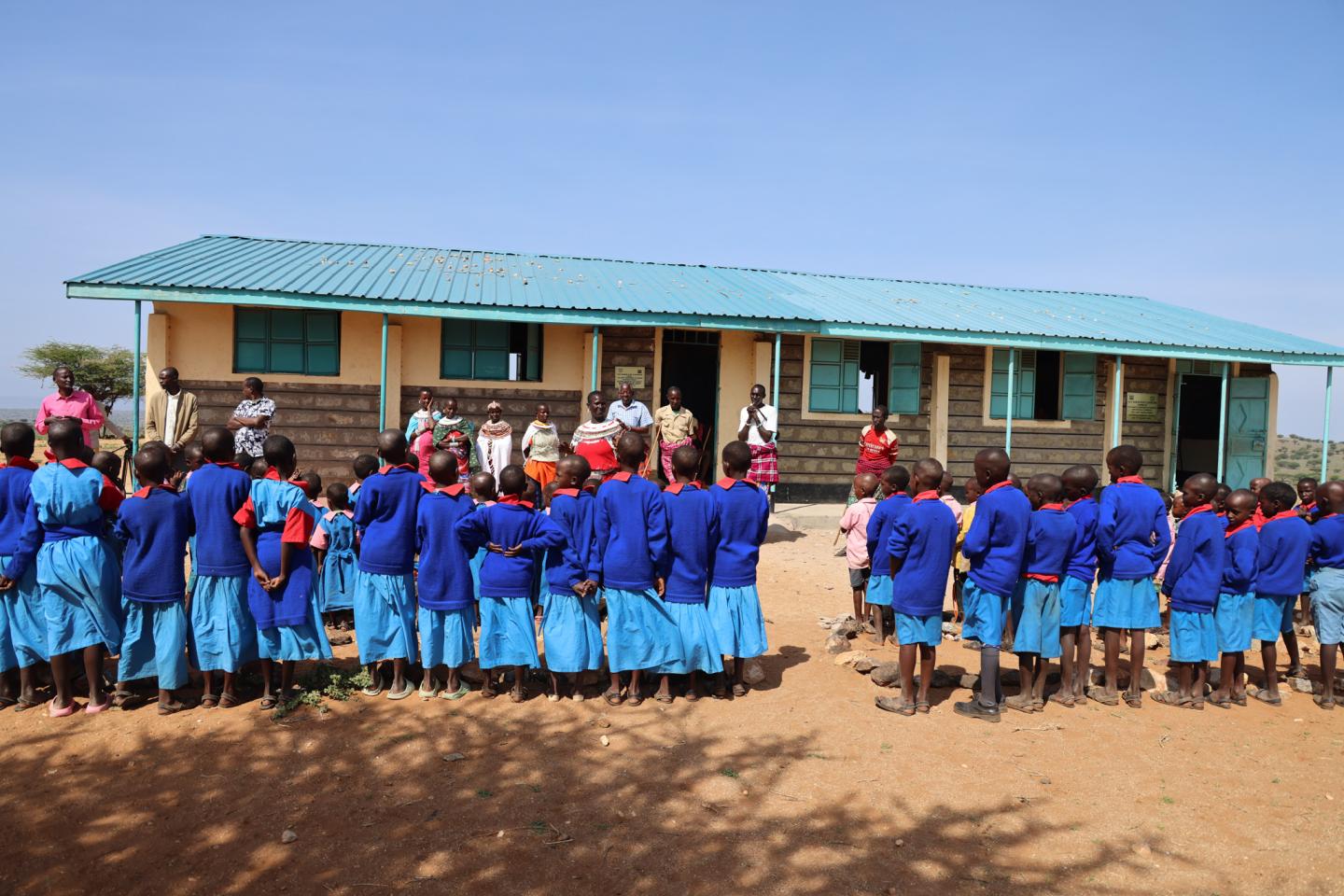
The community went back again, this time pushing for a primary school through the National Government Constituency Development Fund (NG-CDF). In 2024, the first classroom was built and teachers posted. Another followed in 2025. World Vision supported the school with four ventilated latrines to improve sanitation.
Today, Soit Naibor Primary School has over 150 learners.
“This school exists because the community refused to stop asking,” says headteacher Haron Leterewua.
Board chair Ketubo Lelepakiyo says something deeper has changed. “People here used to feel decisions happen elsewhere. Now we know we can show up and be heard.”
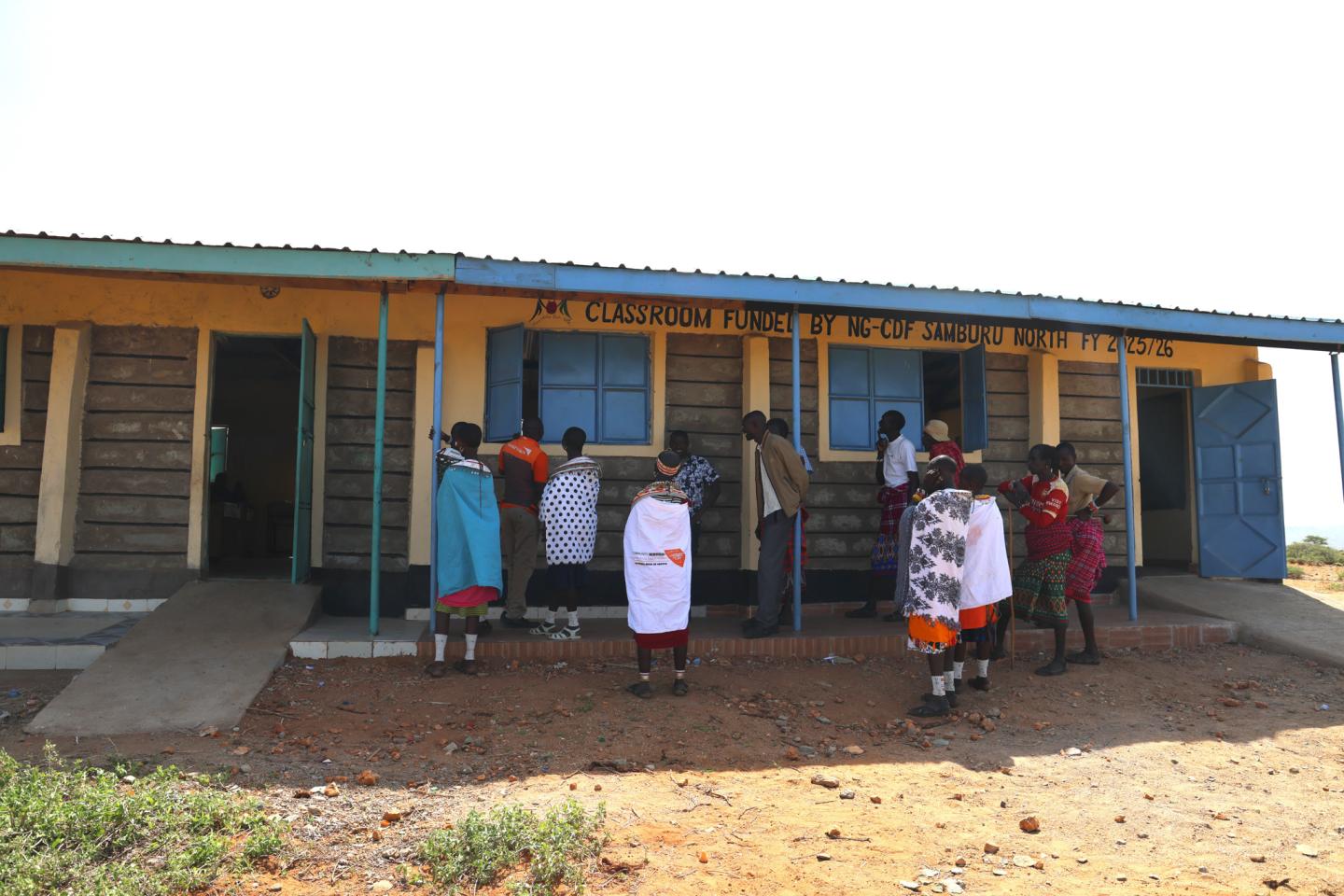
In Ntepes, the story mirrors that journey. The community pushed for the ECD centre to be fully functional, resulting in a teacher being posted and school meals introduced.
As numbers grew, they pushed again, this time for the ECD to be upgraded into a primary school using existing classrooms. In 2024, it was officially registered. More teachers followed, along with additional classrooms in 2025 and early 2026.
Njeesioni Primary School now has more than 150 learners, up from just 24.
“We don’t just participate in budgeting anymore,” says Samburu County Deputy Director for Budget David Lekunte. “We listen to communities and CVA groups have made that impossible to ignore.”
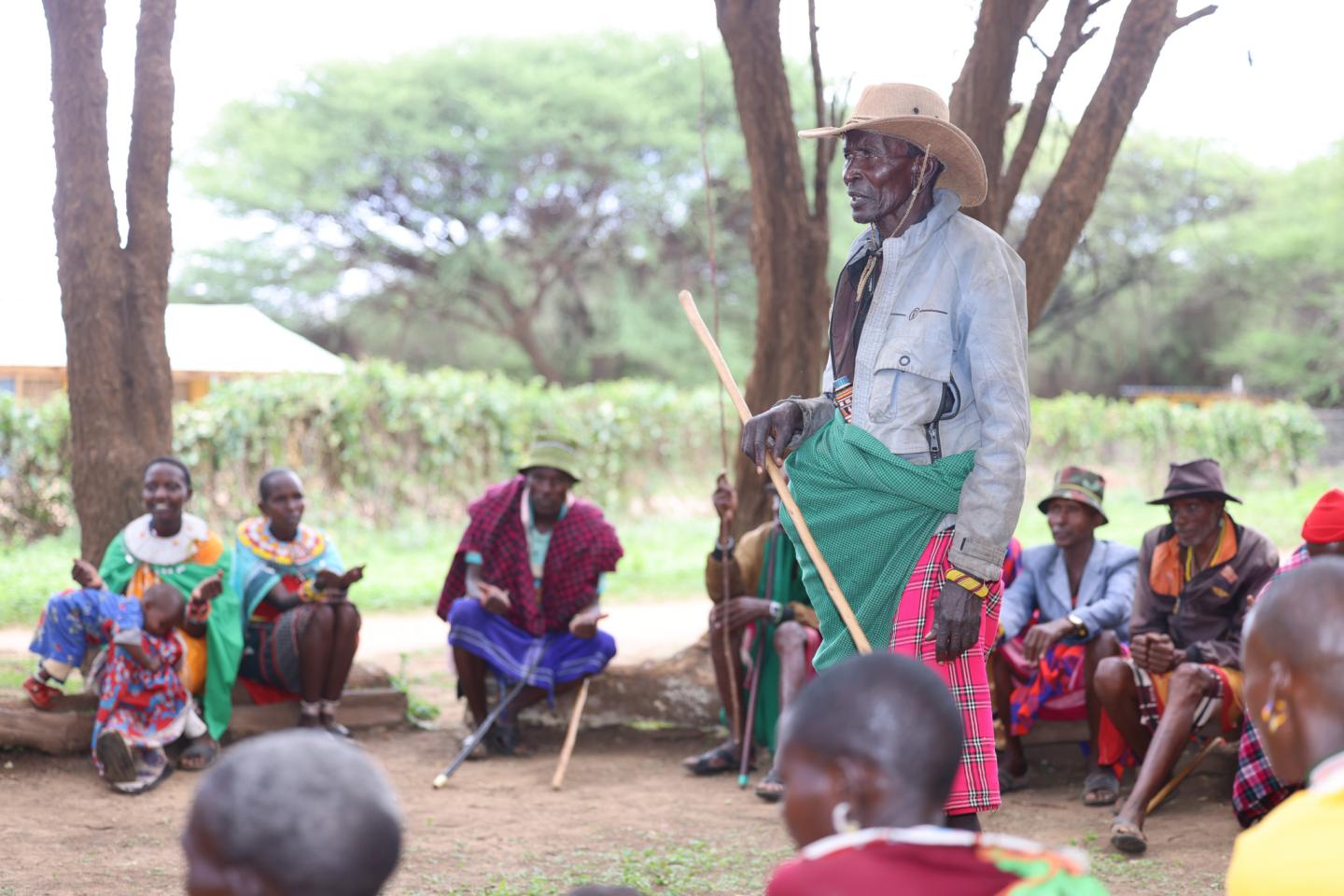
For World Vision, the change is in how accountability now sits inside the community itself.
“We are seeing communities who understand the system and know how to engage it,” says Project Manager Julius Lentawa. “That’s what makes it stick.”
In both villages, school is no longer something children hope for, it is something they walk into every morning.
For six-year-old Serianae, it is ordinary. Books in hand, she walks to class like any other child.
But in Soit Naibor and Ntepes, that ordinariness is new. And it is hard-won.
By David Nderitu, Communications Specialist, Big Dream to End Child Marriage, World Vision Kenya