
From Survival to Stability: How Savings Groups Transformed Musa’s Life and Community

For years, Musa Chemjor’s family got by one day at a time, never certain what tomorrow would bring. Whatever he earned from selling livestock or casual farm work would be spent by nightfall. “There was a time I could not even save a single shilling,” he recalls. “I would borrow from neighbours after spending everything. It was embarrassing and strained our relationships.”
That was before World Vision introduced the Farmer Managed Natural Regeneration (FMNR) approach and Savings for Transformation (S4T) groups in Barkutuny village, Baringo County. The training opened Musa’s eyes to a new way of managing money, one built on discipline, trust, and collective progress. “World Vision taught us that small, consistent savings can change things for a family.” he says.
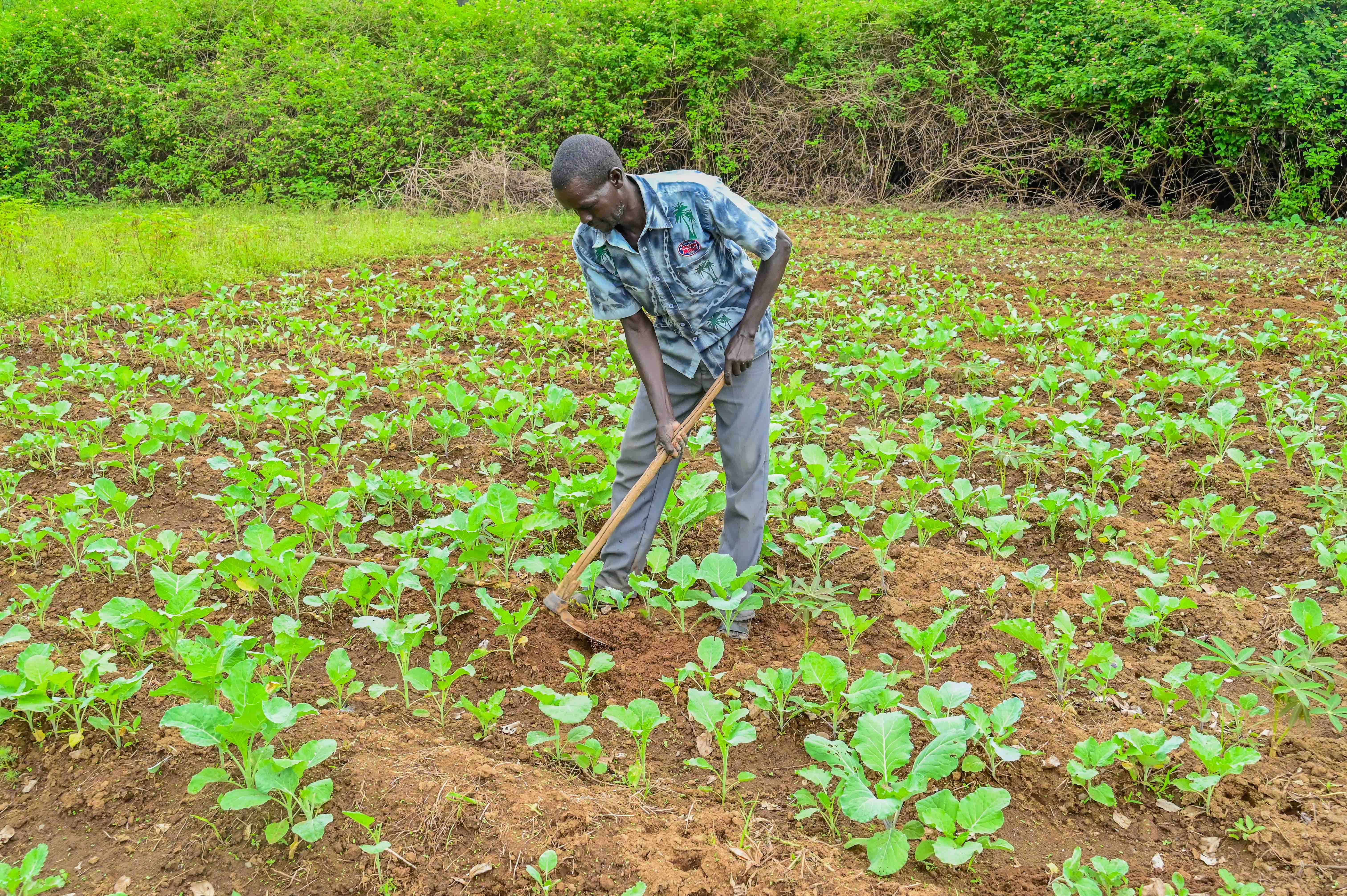
Thanks to FMNR, Musa now leases his land and sells surplus crops from his farm, generating an income he can both spend on household needs and save through the S4T group. He also notes a positive change in the community– reduced alcoholism. “People are now more focused on their farms, looking for ways to earn from their produce and save through S4T groups, rather than spending on alcohol,” he explains.
Musa joined the Tirngongwonin S4T group and started saving modestly. Over time, he learned how to plan, borrow wisely and invest in his farm. “In our first cycle, I saved enough to receive 24,000 KES during the share-out. That was the first time in my life I held such an amount,” he says proudly, “I used part of it to buy a cow and the rest to improve my farm.” In the second cycle, he earned 28,000 KES, which helped him fence his land.
With his savings and access to small loans, Musa no longer worries about emergencies or school fees. “Before, my child could stay home because I didn’t have money. Now, I can pay school fees on time — I even transferred my child to a private school. There is a sense of security for the future because I’m saving,” he shares.
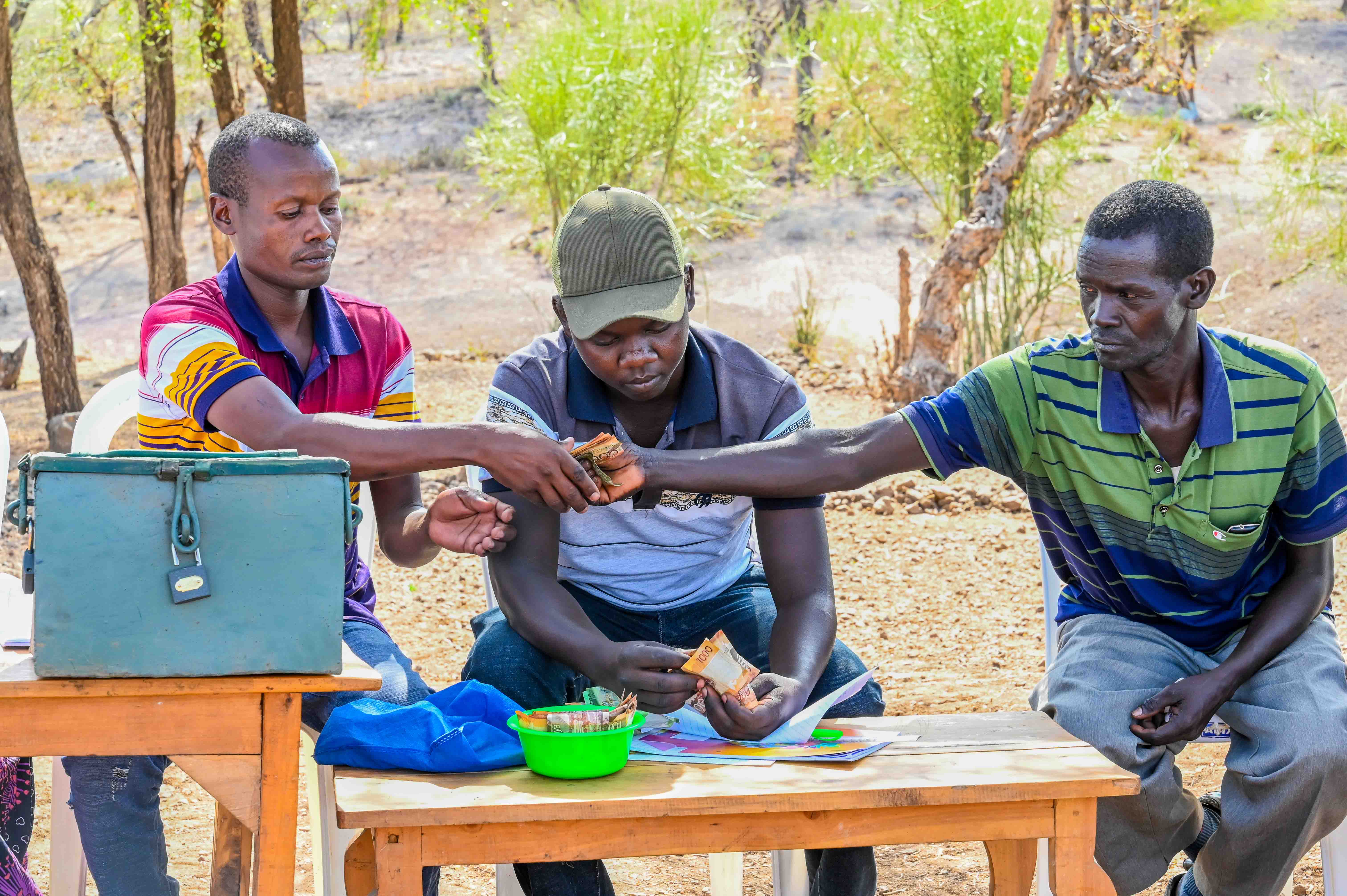
The impact has rippled through the community. Group members have started small businesses, purchased livestock, and improved their homes. “There was an old man in our group who was moved to tears when he realized he had saved 10,000 shillings and earned 6,000 in interest,” Musa recalls, “He said he had never imagined receiving such money freely in his life.”
“It is inspiring to see members take loans of up to 100,000 KES and repay them efficiently,” he adds.
For Musa, S4T has not only improved his finances, it has changed his mindset. “I used to live in poverty, thinking there was nothing I could do. Now I have a saving culture and I’m confident about the future,” he says. “We are moving from surviving to living, from worry to stability.”
Musa shares a humorous personal note, “Thanks to S4T, I got a wife.” He claims it is because his spouse came to know a version of him that was more responsible and able to sustainably provide for the family.
Looking ahead, Musa plans to expand his farming and save enough to buy a car. “World Vision showed us that the impossible can become possible,” he says, “Through saving and hard work, I’ve learned that our future is truly in our own hands.”
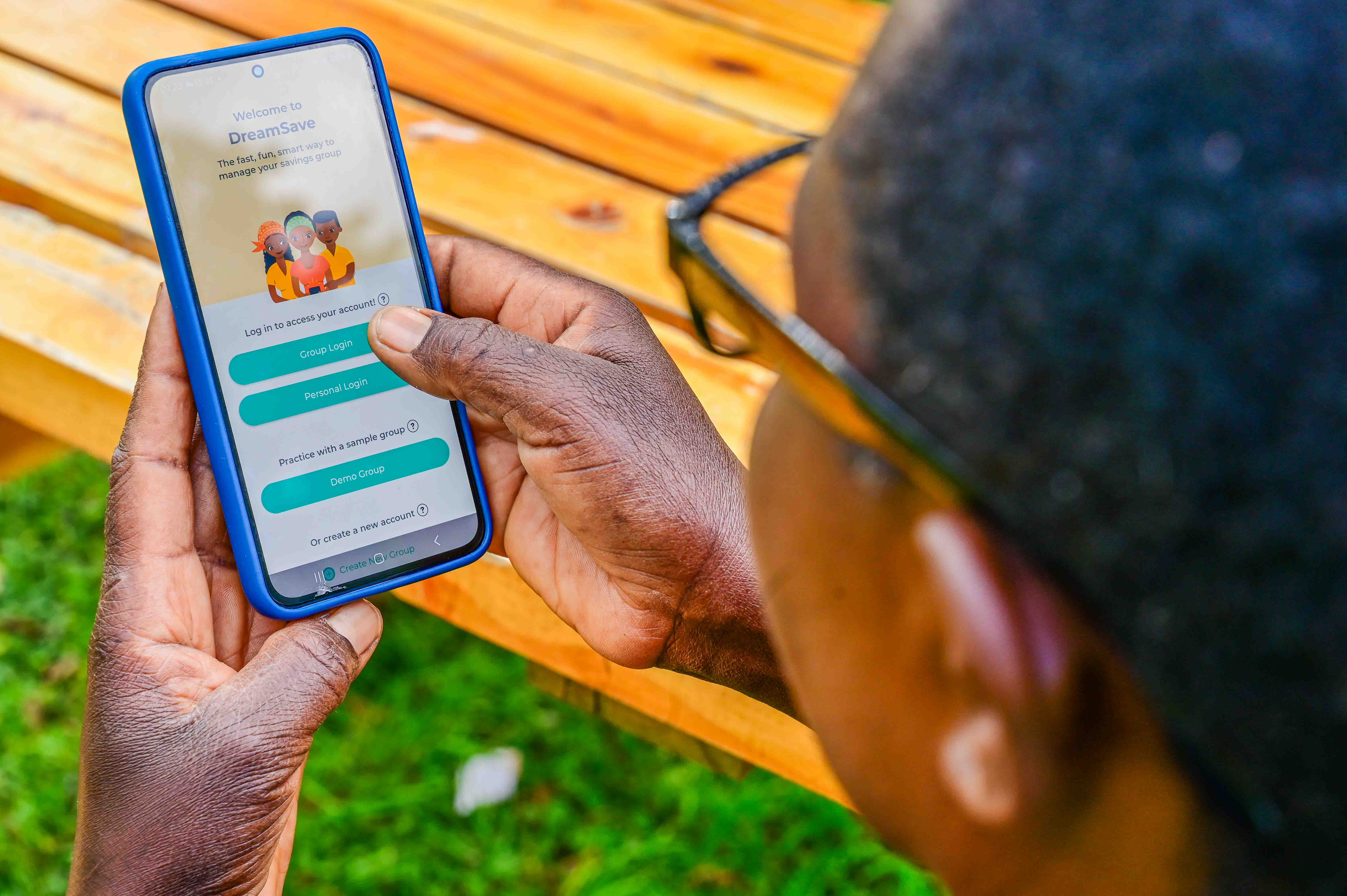
Musa’s story mirrors the wider transformation taking place across Kenya. With support from the Australian Government, World Vision’s Central Rift Farmer Managed Natural Regeneration Scale-Up Project (CRIFSUP) has trained communities in Baringo, Elgeyo Marakwet, Nakuru, and West Pokot Counties, leading to the formation of 113 Savings for Transformation (S4T) groups. Through these groups, now strengthened by the DreamSave application, which enhances financial management, transparency, and accountability, members like Musa are transforming their minds, hearts, and pockets. Together, they are building a future defined by resilienceand financial independence.
By Hellen Owuor, Communications Specialist (CRIFSUP), World Vision Kenya