
Where Water Once Flowed: Families in Wajir Waiting for a Lifeline

For seven years, families in Majabow, Wajir County, have lived without a reliable water source, turning instead to water pans shared with livestock.
Imagine if your child grew up believing it was normal to drink from the same water source as livestock. What if every single day began with a question you could never fully answer: where the next safe drop of water would come from?
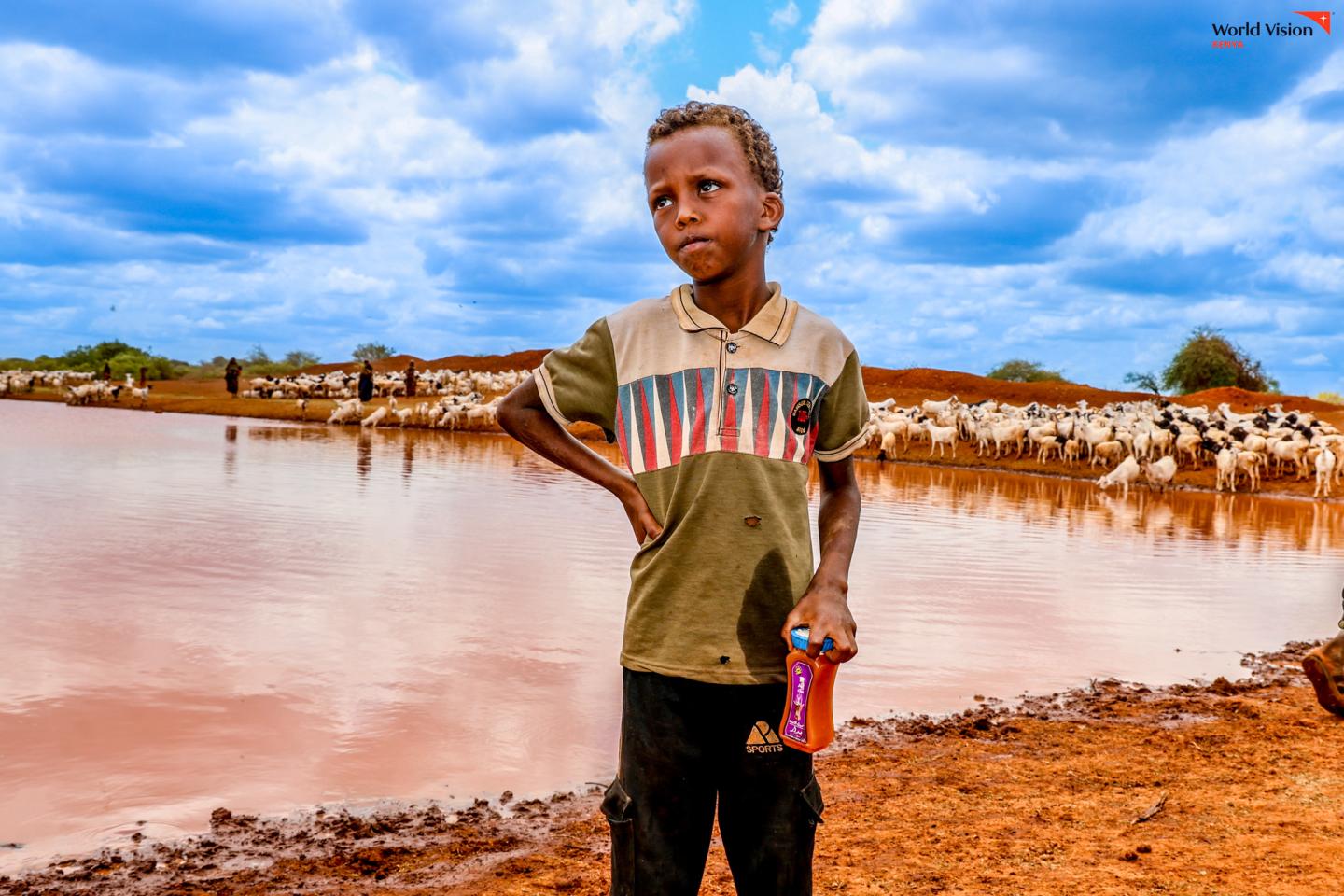
For Habiba, a mother of ten in Majabow, Tarbaj Subcounty, Wajir County, this is a lived reality shaped by years of water scarcity. We met Habiba at a water pan near her home, where her eight-year-old son, Omar, was holding a plastic bottle filled with water collected from the pan. The water pan, though visibly contaminated and shared with livestock, remains the primary source of water for households in the area. It is used for drinking, cooking, washing, and basic domestic needs, despite the clear risks to people’s health. “It is heartbreaking to see my children drink this water. They are thirsty, and there is no other option available to us.” says Habiba.
Water insecurity has defined Habiba’s entire life in this community, with no consistent access to safe water for as long as she can remember. This experience is shared by many women across an area that lacks functional water infrastructure. “All my life water has been a challenge. I grew up seeing my mother struggle, and now I am also a mother still struggling with water for my own children.” Habiba adds.
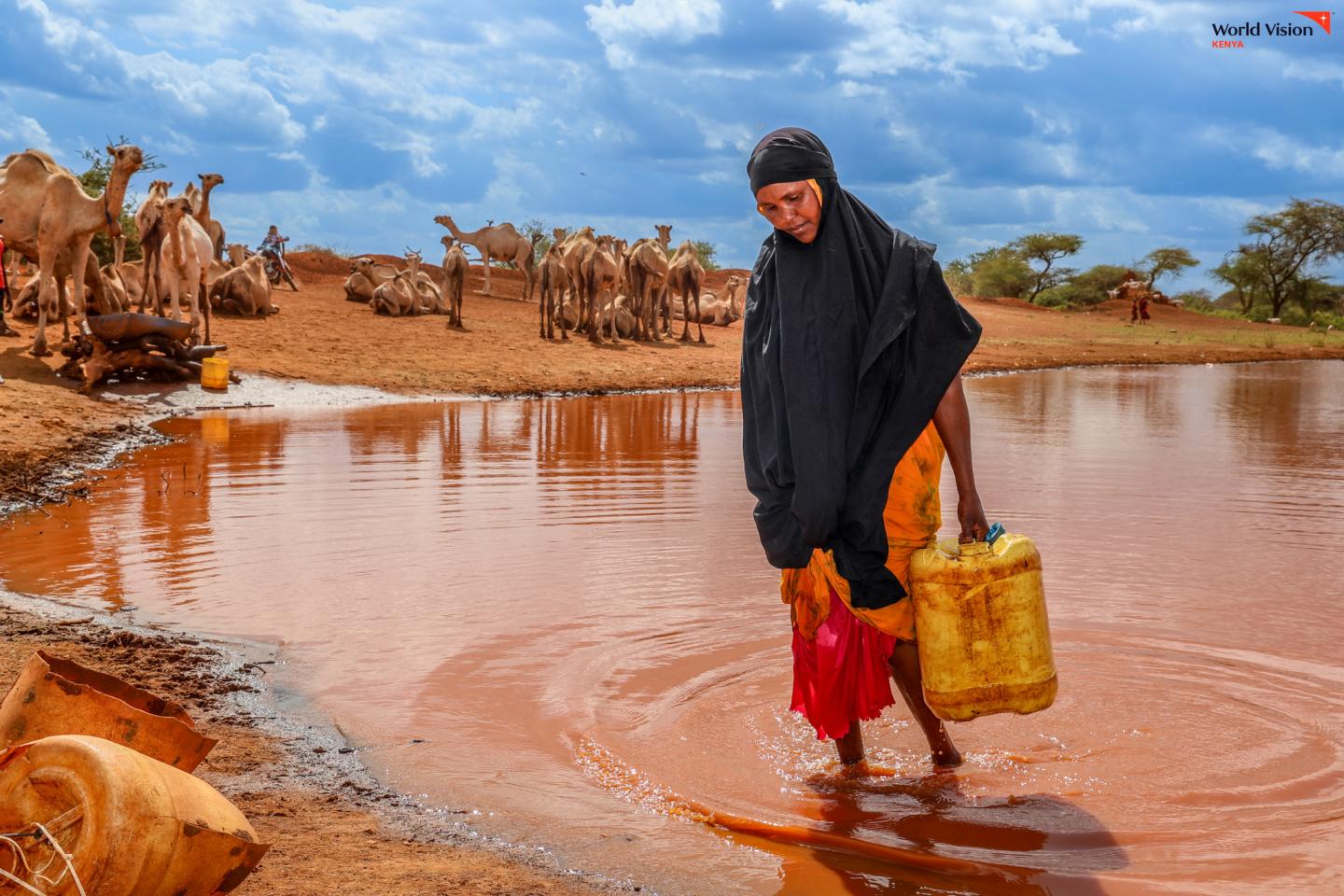
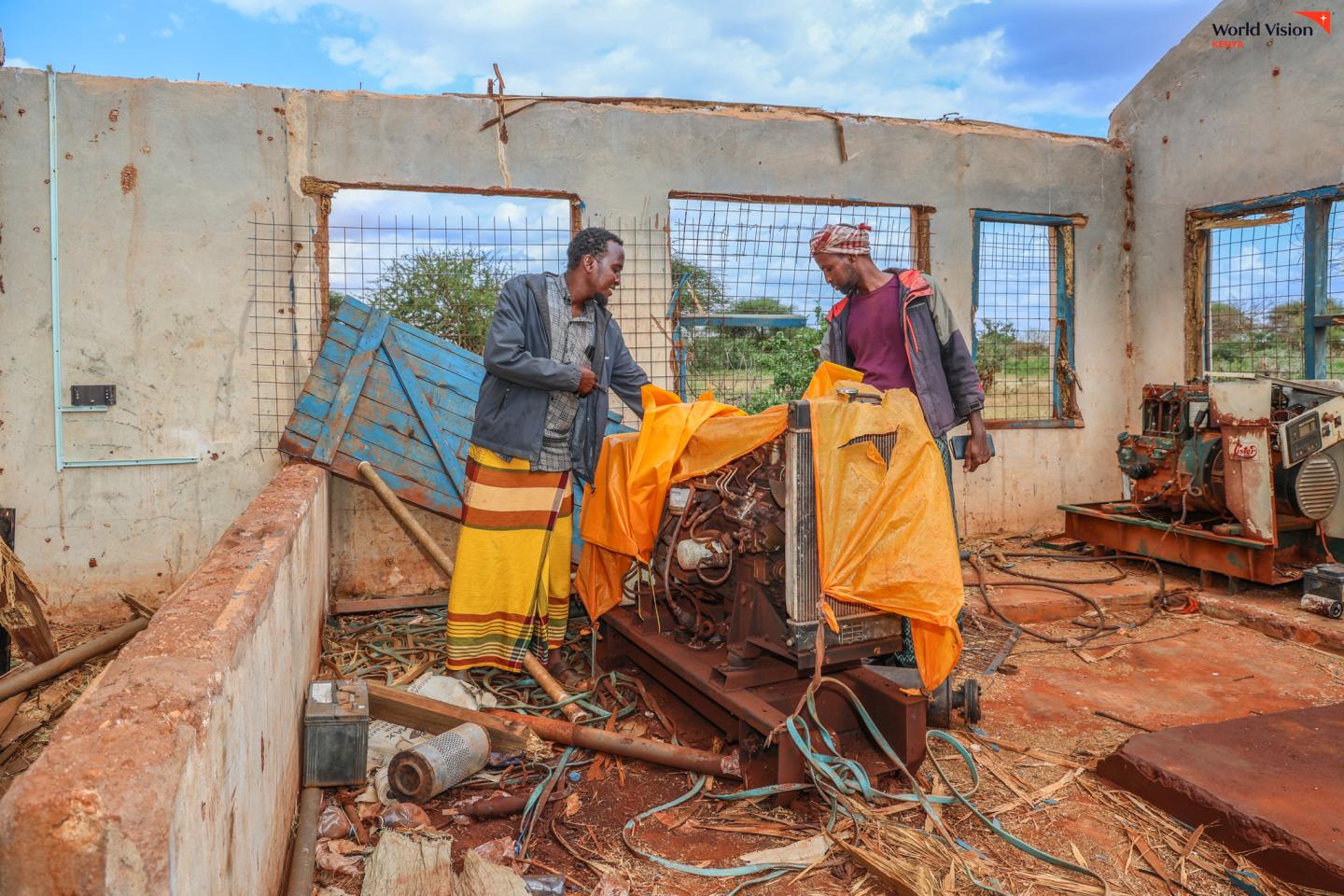
In the same community, not far from Habiba’s home, stands a borehole that once changed everything here. Seven years ago, it was fully functional and served as a critical water source for hundreds of households. People remember that time clearly because water was not something they feared running out of every day, but something that made life feel a little more stable. Since its failure, however, households have increasingly depended on the seasonal water pan, which fluctuates significantly with rainfall patterns and often dries up during prolonged dry periods.
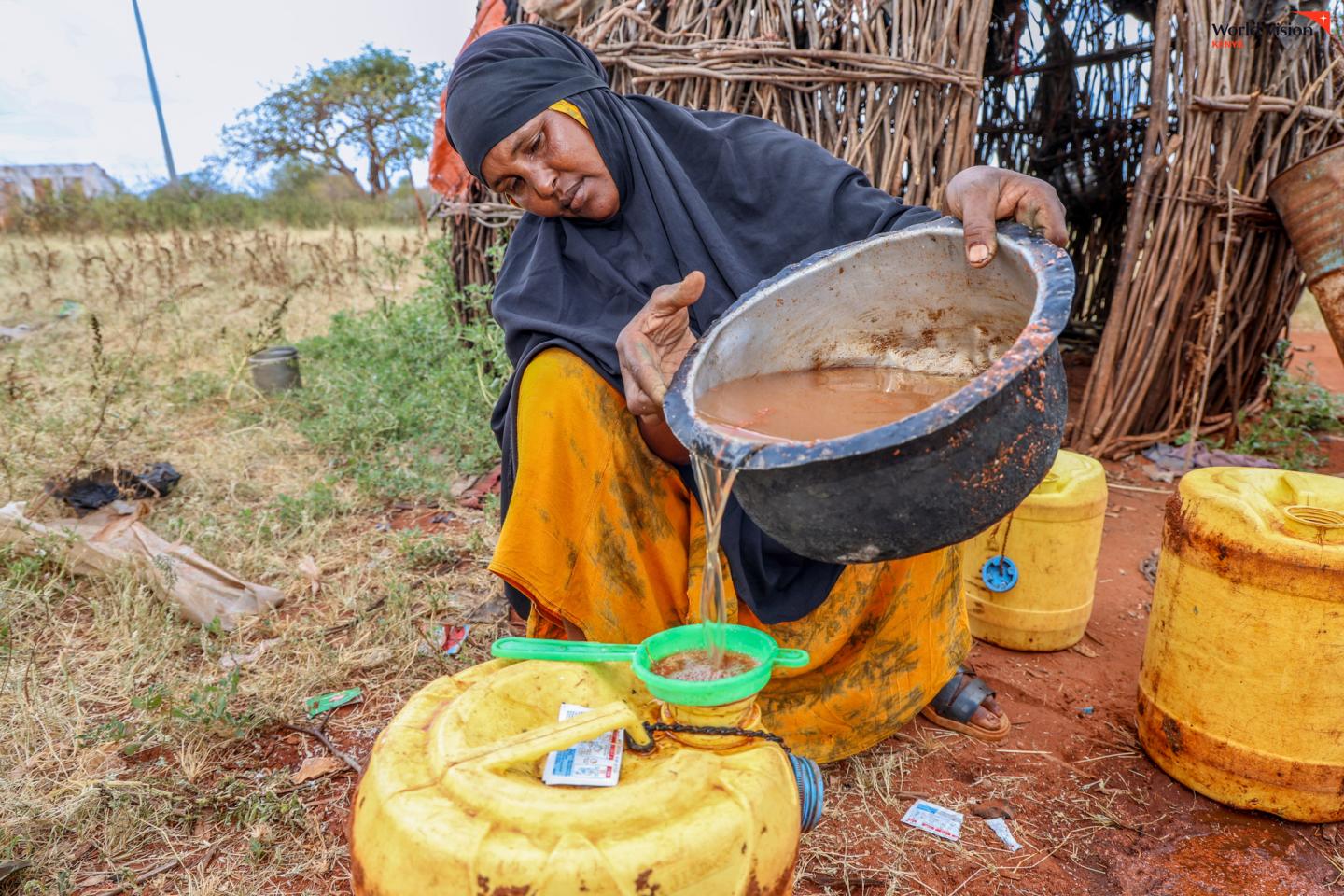
Habiba has learned over time to do what she can, filtering the water through a sieve at home before using it, even though she knows it is not enough to truly make it safe. And like many mothers here, she lives with the constant fear that what looks like survival in the moment may bring illness later, especially for young children whose bodies cannot easily fight waterborne diseases.
Unsafe water also takes a toll on health in Majabow, with reports of diarrhoea cases, particularly among children. When children fall sick, school becomes the first casualty, because an unwell child cannot walk to class, and a mother who is caring for a sick child cannot think about anything else except recovery, even when she knows that missing school will affect the child’s future.
“These journeys are not easy. As a mother, you are always worried when your children are far from home, because the longer the distance, the more you fear for their safety,” Habiba explains that when the nearby water pan dries up or becomes too shallow during dry periods, women and girls are forced to go even further in search of water, increasing their exposure to protection risks.
Adow, a father in the same community who supports two wives and a large household with many children, stands near the faulty borehole and looks at it differently, not just as a broken structure, but as a memory of how life used to be when things were easier to manage. “When the borehole was fully functional, life was not like this. We had water, and we could focus on our families and livestock, but now everything starts and ends with water, and when there is no water, everything becomes difficult at the same time.” said Adow.
The families of Majabow remain hopeful and anticipate a future where they can access clean and safe water. Through support from the Kenya Humanitarian Fund, implemented by World Vision Kenya in collaboration with the County Government of Wajir, a planned rehabilitation of boreholes across 21 communities in Wajir County is expected to change this reality for families like Habiba’s, turning the daily struggle for water into reliable access to a safe source close to home. “We just want clean water close to us so that our children do not get sick, and so that we do not have to walk long distances every day just to survive,” Habiba says.
Adow added, “If water is available again, life will become easier. Our children will be healthier, and we will have time for our families and our work instead of spending all day looking for water.”
By Mirriam Mwikali Kioko, Communications Specialist (Emergency Response), World Vision Kenya