
Silent Suffering: Somalia's Drought Devastates Children

As I boarded the small UNHAS (United Nations Humanitarian Aid Service) flight to Luuq, Somalia, I felt the familiar mix of emotions - excitement to meet the communities we serve, and anxiety about the challenges I might face in these remote areas.
Luuq, situated in the southwestern Gedo region, is a district of farming communities along the Juba River, scarred by floods, clan conflict, and crisis.
As the plane touched down, I couldn't help but capture the majestic Juba River winding its way through Luuq on my camera.
The stark contrast between the lush riverbanks and the parched, dusty landscape was striking. Stepping off the plane, the sweltering heat and dry air hit me like a wall, a reminder of the challenges faced by the communities here.
But it's in places like this that I feel our work makes a real difference for the most vulnerable children, places that are on the margins of access and which can easily be forgotten.
The visit to Jazira IDP camp was a sobering experience. The makeshift houses made from plastics and cloth are a stark reminder of the vulnerability of the displaced families seeking refuge. The lack of necessities like water and food is a harsh reality, and the visible signs of malnutrition among the children are a distressing testament to the drought crisis that is unfolding in Somalia.
Yet, amidst the dire conditions, the resilience of the children is a beacon of hope, their laughter and play, a poignant reminder of the importance of our work in supporting these communities.
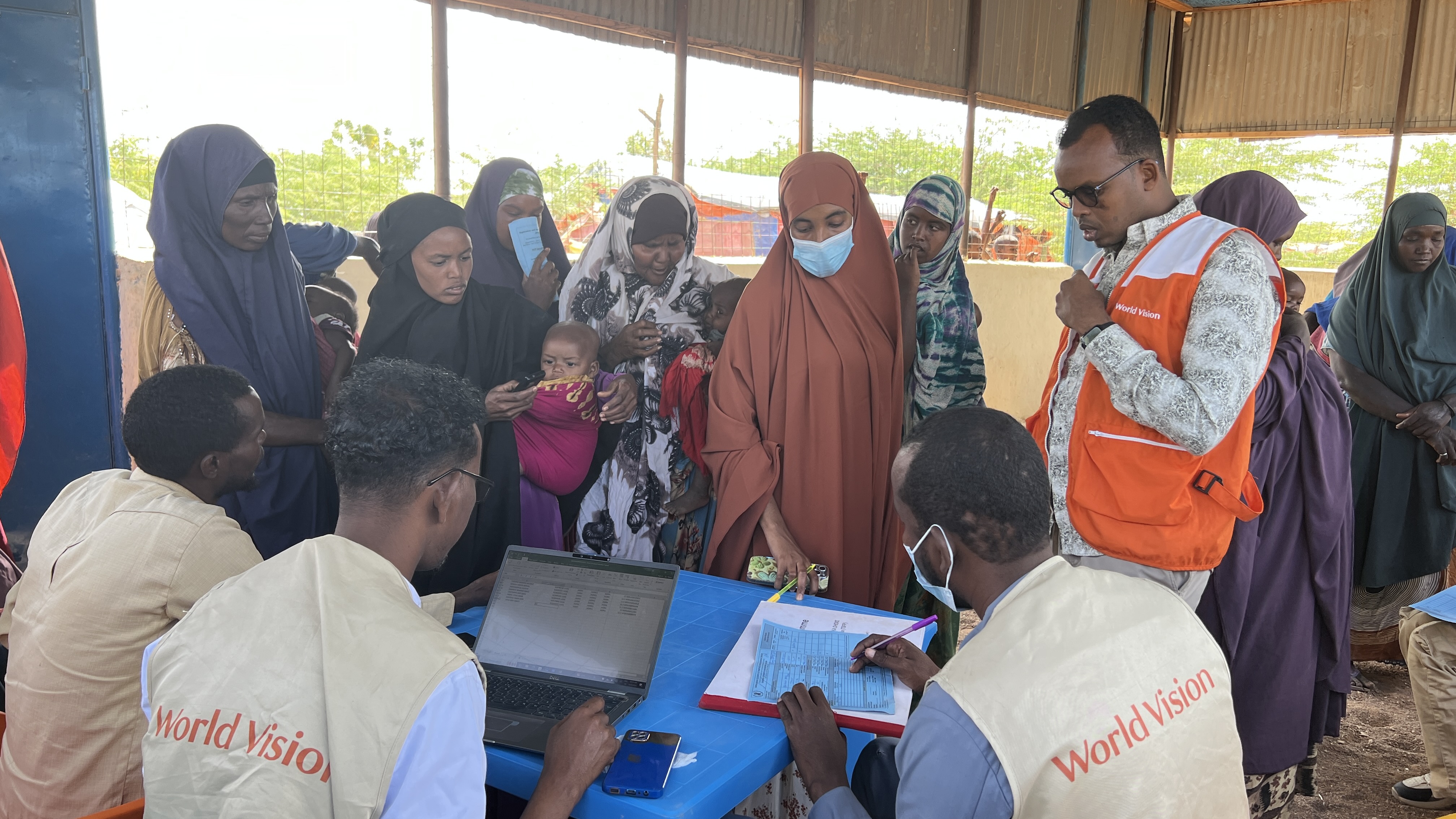
In Jazira camp, we visited a nutrition site supported by World Vision and WFP, where health and nutrition services are being provided to the community.
The images from the nutrition site still trouble me, the sheer scale of suffering was overwhelming. Seeing the children, acutely malnourished, was a stark reminder of the devastating impact of the drought caused by failed successive rain seasons and conflict.
Five years of working in Somalia, having witnessed a famine being averted in 2022, I am afraid to say, this drought might be more severe. The needs are vast, yet funding remains scarce. Rather than expanding crucial services like this nutrition site, we risk losing existing ones, leaving vulnerable children, their families and communities without support.
The next few months are critical, and the consequences of inaction will be dire.
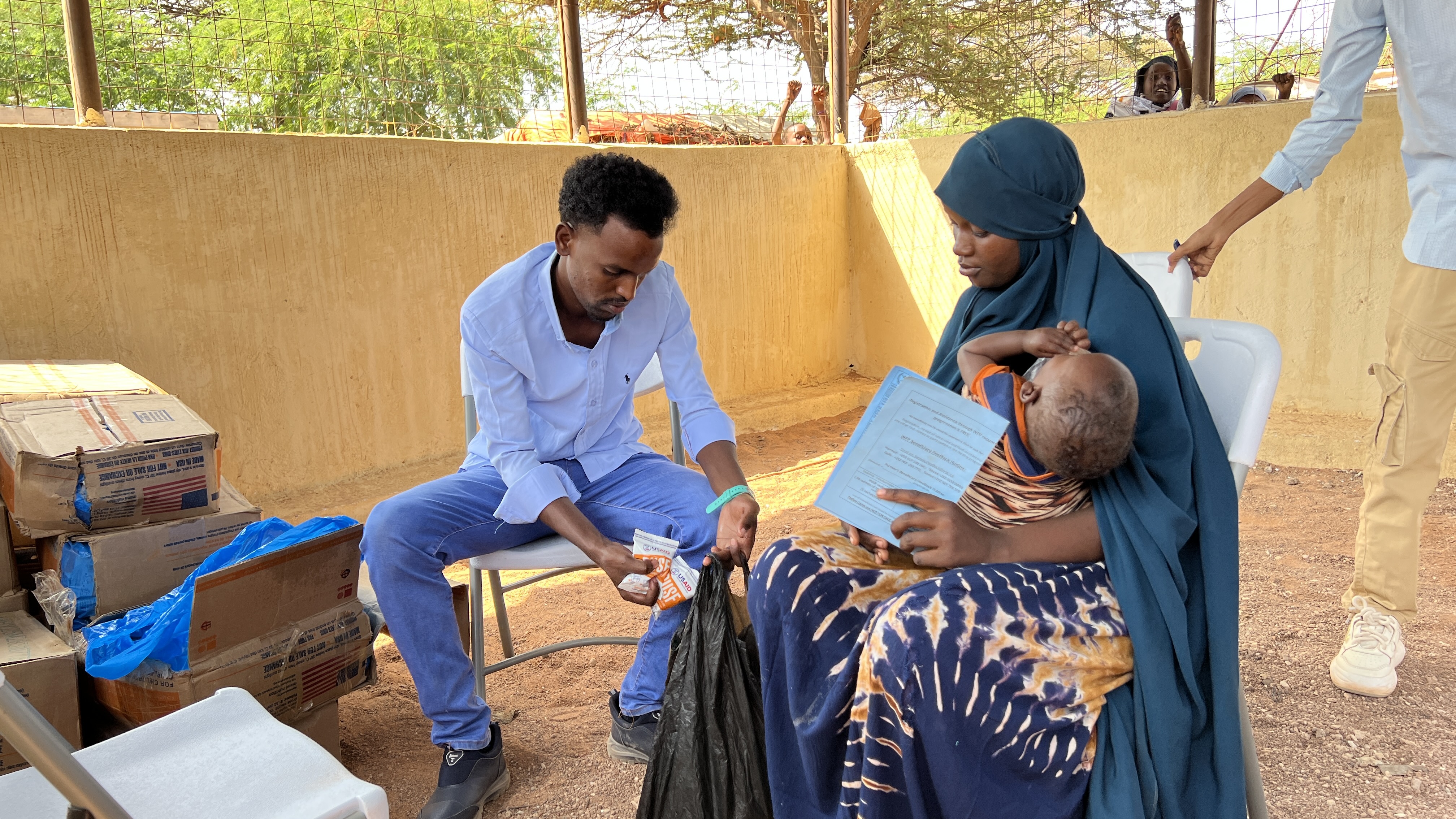
Five children showing severe symptoms of acute malnutrition were identified by health workers within 5 minutes of us arriving at the health facility.
The worse part was yet to come, I asked our team what they do with the severely malnourished children, and the answer was devastating:
"We are supposed to refer them to the hospital but due to funding cuts the hospital doesn’t have enough to support to them- the hospital has nothing to give them”
By enough they meant Plumpy'Nut which is a specialised food product used to treat severe acute malnutrition (SAM) in children.
The response from the team hit me like a punch to the gut.
The thought of those children, already fighting for their lives, being left without the care they desperately need is unbearable. It's a harsh reality check, a stark reminder that even in a world with enough resources, the vulnerable often get left behind.
The weight of that reality is crushing, leaving me wondering what kind of future these children will have, and what kind of humanity we are if we can't come together to save them.
The desperation is palpable, lives are being lost, and the clock is ticking. The harsh reality is that humanitarian organizations are running on empty, with no funding in sight. So, the questions remain: Do we sit and watch children die of hunger? Can we live with ourselves, knowing we have let down the most vulnerable? Are we truly a global community, that comes to help those most in need? The answers seem to be slipping further away, and the silence is deafening.
The next few months are a matter of life and death for Somali children- they are also an opportunity for the world to show that it cares for the least vulnerable.