
World Vision's Integrated Intervention Brings Hope to Refugees and Host Communities in Adjumani

At least 25,000 households in Adjumani district, including refugees and host communities, are set to benefit from Uganda shillings 9.36 billion (approximately USD 2.4 million) intervention aimed at improving livelihoods, strengthening protection systems, and enhancing environmental resilience.
Adjumani district leaders, alongside officials from the Office of the Prime Minister and UNHCR, say integrated interventions that combine child protection, livelihoods, and environmental conservation are critical for building long-term resilience among vulnerable communities.
The Adjumani Child Protection, Livelihood and Environment Project Phase II (ACLEP II), which will run from 2026 to 2029, comes at a time when both refugee and host communities are grappling with increasing pressure on limited resources, climate shocks, and overstretched social services.
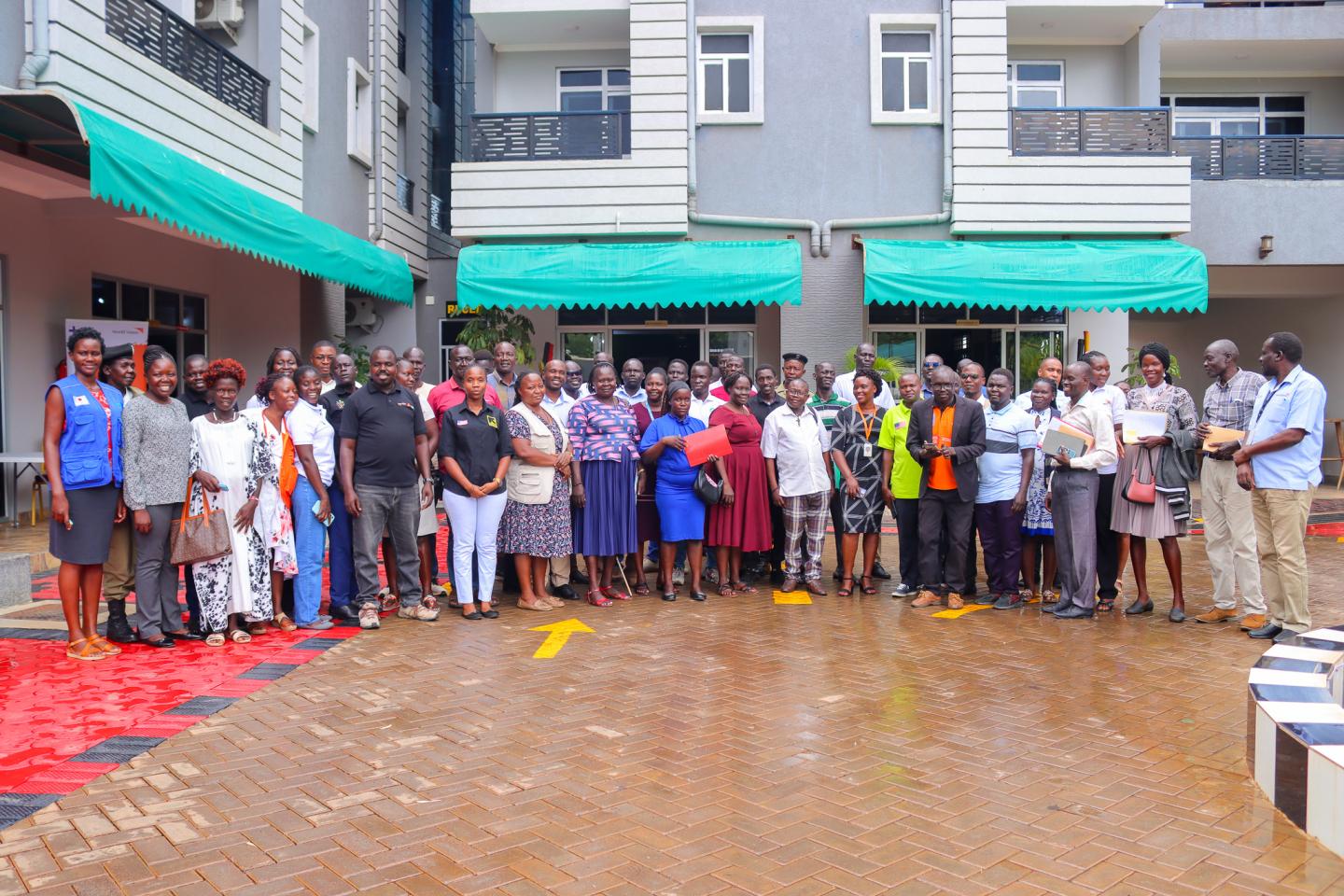
Speaking during a one-day inception meeting in Adjumani Town, the Adjumani Deputy Resident District Commissioner, Emmanuel Okware, emphasised the importance of the intervention.
“Such integrated interventions are key to fostering peaceful coexistence, improving household incomes, and building stronger, more self-reliant communities in Adjumani District,” Emmanuel said.
Noel Alabi, a Programme Manager at World Vision Uganda, noted that the project adopts a deliberate strategy to promote fairness and harmony.
“With a 50/50 targeting approach, the project seeks to promote equity and reduce tensions by ensuring that both refugees and host populations benefit equally. This is particularly important in areas like Adjumani, where large refugee populations live side by side with local communities, often sharing land, firewood, and basic services,” Noel explained.
Many households in the district rely on subsistence farming, which is increasingly threatened by unpredictable weather patterns.
Stakeholders believe that investing in sustainable livelihoods and environmental management will significantly improve food security and reduce vulnerability.
The Adjumani District Principal Chief Administrative Officer, Richard Edema Draciri, highlighted the importance of prioritising children’s welfare.
“The focus on child protection is also significant, as economic hardship and displacement often expose children to risks such as exploitation, school dropout, and early marriages,” Draciri said.
Echoing similar sentiments, Wellborn Kenyi, the LC III Chairperson of Pakele Sub-county, stressed the need for community-driven solutions.
“Strengthening community-based protection systems will help safeguard the rights and wellbeing of children,” Kenyi noted.
According to Amos Okello, the ACLEP II Project Manager, the project will directly benefit 25,000 households, while 112,500 individuals mainly family members will benefit indirectly, bringing the total reach to 137,500 people.
“This wide reach highlights the scale and importance of the intervention in addressing both immediate and long-term community needs,” Amos said.
Funded by the Ministry of Foreign Affairs of Finland through World Vision Nordic, the project will be implemented in refugee settlements of Boroli (1 & 2), Olua (1 & 2), Pagirinya, and Nyumanzi, as well as in host community sub-counties of Pakele and Dzaipi.
Leaders believe the initiative will play a crucial role in strengthening resilience, reducing vulnerability, and promoting peaceful coexistence in Adjumani District.