
Community Voices Drive Change at Kasikili Health Post

By Ephraim Lungu, CVA Coordinator, Zambia
Kasikili Health Post sits on the outskirts of Pemba District, approximately 22 kilometres from the District Health Office. It serves a catchment population of around 6,875 residents, providing essential primary healthcare to families across the area.
For years, the facility struggled to fulfil that role. Infrastructure was inadequate, sanitation was poor, and space for patients and staff was limited. These conditions wore down staff morale, eroded community trust, and left many residents reluctant to seek care when they needed it most. The consequences showed up in health outcomes across the catchment area.
The community refused to accept that this was simply how things had to be.
Citizen Voice and Action (CVA) is a World Vision approach that equips communities to engage directly with local service providers and government structures. Through facilitated dialogue, communities identify gaps in services, organize their concerns, and present them to duty-bearers, the officials and institutions responsible for meeting those needs. The goal is not to replace government responsibility but to strengthen the relationship between communities and the systems meant to serve them, so that residents become active participants in decisions that affect their lives.
Residents organised through their Citizen Voice and Action (CVA) group and began advocating for change. They engaged local leaders, health authorities, and district government officials, making the case for what their community deserved, accessible, dignified healthcare.
That advocacy produced results. The CVA group secured K1,400,000 (approximately USD 73,684) from the Government's Constituency Development Fund. The funding enabled a full rehabilitation of the health post, covering roofing, plastering, and painting. What had been a facility that discouraged people from seeking care became one that welcomed them.
The shift has been felt on both sides of the consultation room.
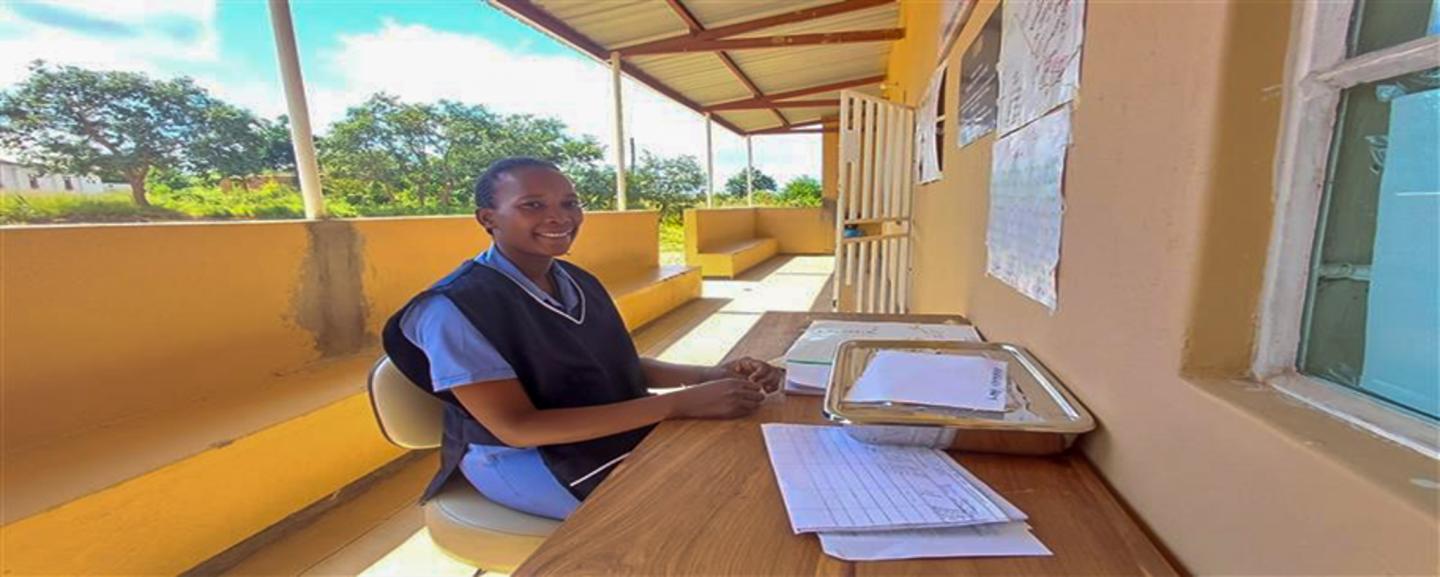
For health workers, the improved infrastructure created a more functional and dignified working environment. For patients, greater cleanliness, privacy, and comfort removed the hesitation that had kept many away. A public health nurse at the facility described what the change has meant:
"We are very grateful to the government and the community for their collective effort. The rehabilitation has truly changed our working environment. It is now a place where we serve our community with pride, and where community members access healthcare with dignity."
More residents are now seeking timely medical care. Trust between the community and health providers has grown stronger. And a culture of active health-seeking and community participation is taking hold, one built not on outside instruction but on the community's own organised voice.
The story of Kasikili Health Post demonstrates what becomes possible when communities are supported to advocate for themselves. Residents identified the problem, engaged the right decision-makers, and secured the resources needed to address it. The Government responded. The facility changed.
That sequence, community voice leading to concrete government accountability, is precisely what CVA is designed to produce. And in Kasikili, it did.