
From Silent Struggles to Lasting Transformation

By Christabel Mundike, Communications Officer, Zambia
For many years, Majory Chishima, a 34-year-old mother from Jeremani Village in Northern Province, carried the weight of daily hardship with quiet determination. Each day began with effort but ended with little reward.
"Farming was hard," Majory recalls. "No matter how much we worked, we barely harvested enough to feed our family."
The land, which should have been a source of life, mirrored their struggle instead. Yields were low, and hunger was a constant reality. At home, conditions were no better. The family lived in a small, fragile house that offered little protection.
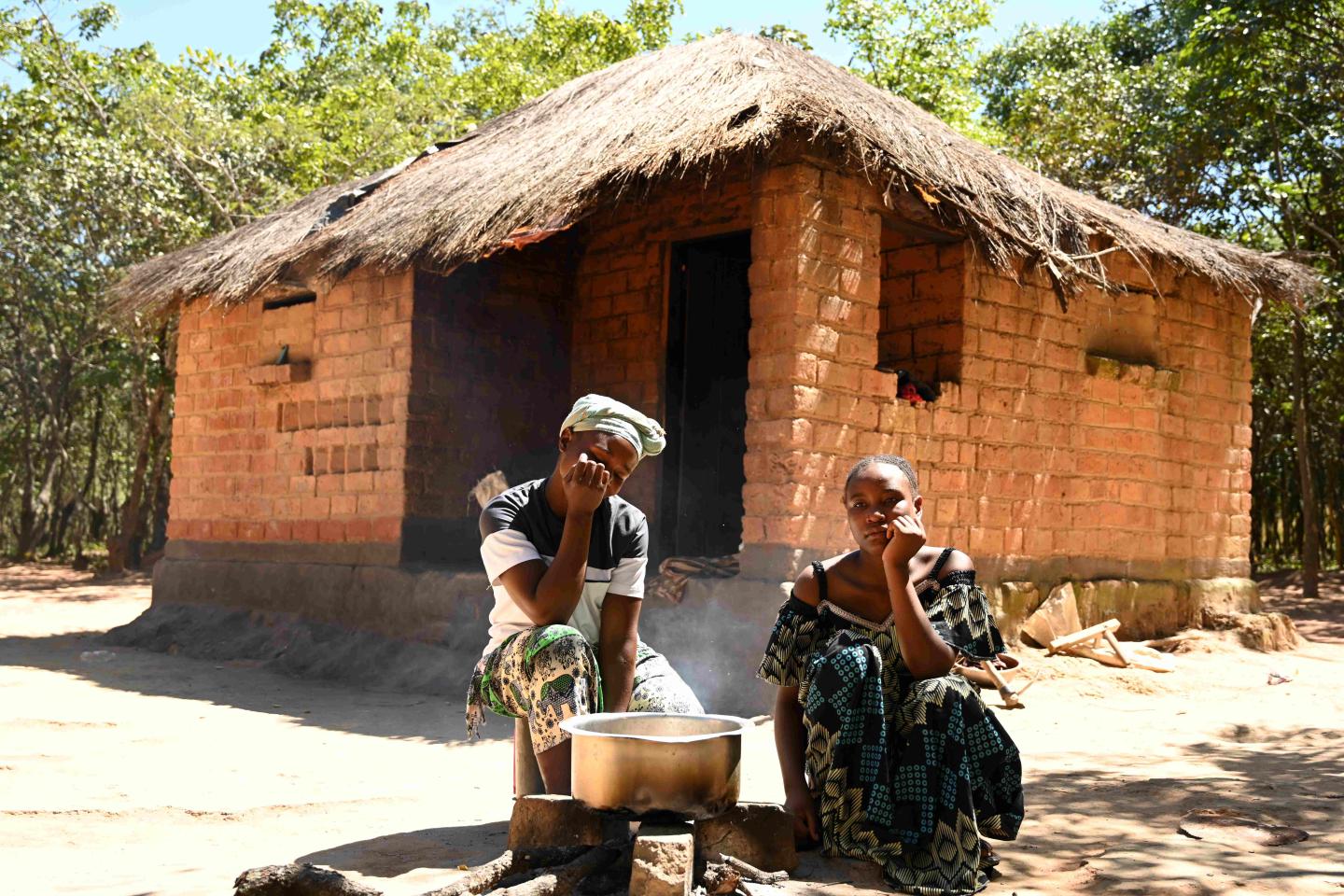
"When the rainy season came, it was even worse," she says. "The house was not strong, and we worried every time it rained."
Beyond food and shelter, one of the greatest burdens the family faced was access to water. Clean, safe water was not nearby. Majory and her children depended on a distant stream, far from home and unsafe, especially for a young girl.
That responsibility often fell on 1 16-year-old Esther, Majory's firstborn.
"In times when I was sick, I would ask Esther to go and fetch water," Majory explains. "But the journey was long, and not safe for a girl child."
For Esther, fetching water was more than a chore. It was a barrier to her future.
"Going to fetch water meant missing school," Esther shares. "The stream was far, and the road was slippery and dangerous, especially during the rainy season."
Each trip to the stream carried a cost, lost learning, increased risk, and fading hope. Meanwhile, Majory struggled to provide even the most basic school essentials for her children. With limited income and constant pressure, education felt out of reach.
Then, in 2013, something shifted. Majory was introduced to World Vision's Farming God's Way (FGW), a climate-smart conservation agriculture approach that restores soil health, reduces labour, and improves crop yields. What began as a change in farming practice became a turning point for the entire household. The soil began to recover. Crops grew healthier. Yields increased.
"Farming God's Way has lifted me and saved my family from hunger," Majory says.
In 2015, another significant moment arrived. Esther, who had become a sponsored child, received her first gift notification.
"All my school requirements were taken care of," Esther says. "I received a full school uniform, books, and shoes. That is when I knew things were becoming better."
Shortly after, World Vision drilled a borehole within the community, bringing clean, safe water closer to home. For Majory, the moment felt like the end of a long and exhausting season.
"When water was brought near us, I knew that our problems had been solved," she says. "The long walks to the stream were over."
For Esther, the difference was immediate.
"I no longer miss school," she says. "My grades have improved because I am now able to concentrate. I am happy because I know my dream of becoming a nurse will be fulfilled."
"Thank you, World Vision," she adds, "for not only teaching my parents how to make a living, but for giving me and my siblings the opportunity to have a bright future."
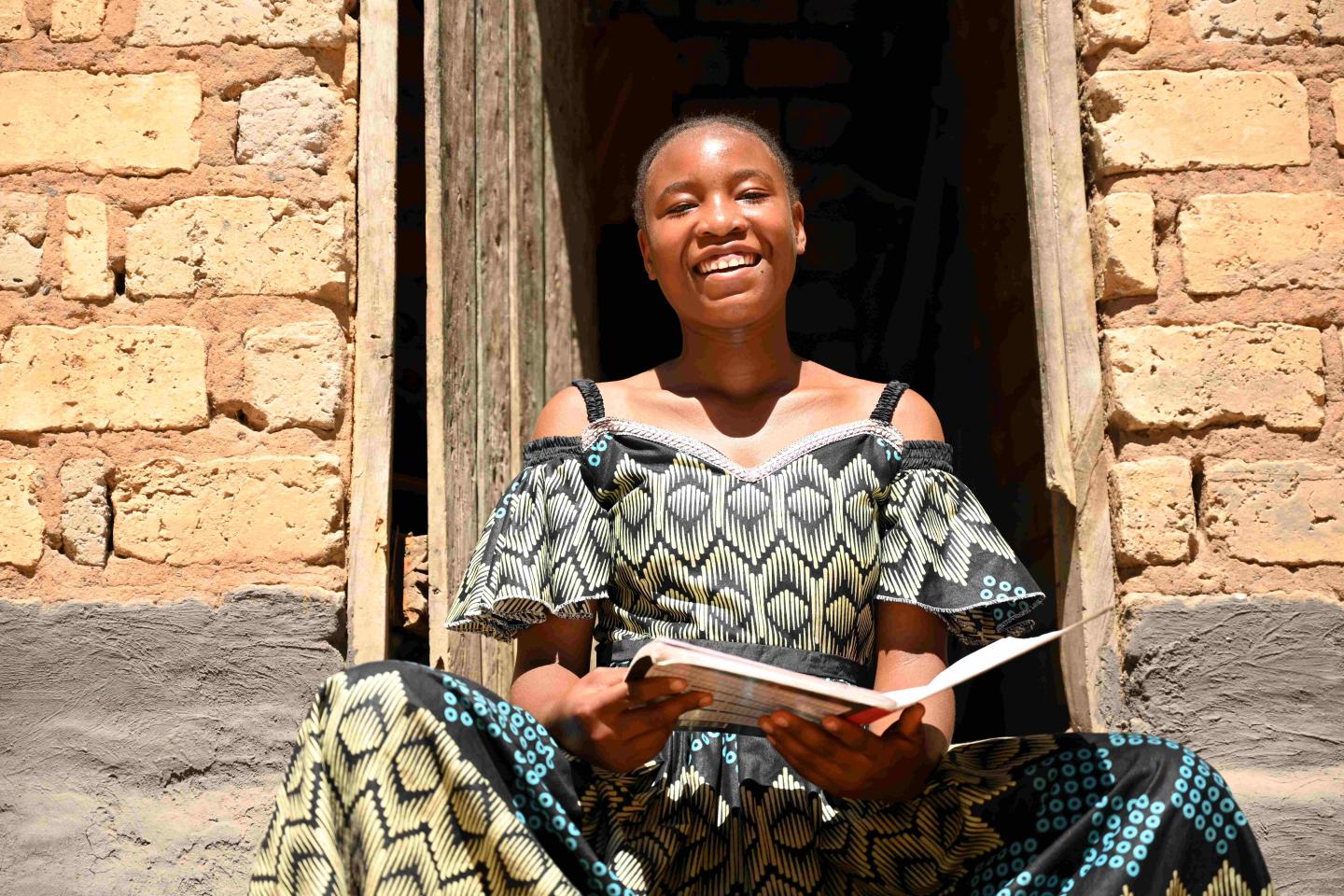
Today, Majory's family tells a different story. Once caught in a cycle of poverty, they are now on a path toward stability and growth. Through Farming God's Way, access to clean water, and the support Esther received through sponsorship, the household has found a firm footing.
"I once thought my family would remain in poverty forever," Majory reflects. "But now, things have changed."
The family is harvesting healthy crops, drinking clean water, and building a larger, stronger home, one that will stand through the rains.
"This household is thankful to World Vision. Because of your support, we now have hope, dignity, and a future," she says.