
Dzindziso’s Health Community Transformation: Role of Health Committees

Story and Photo Credit: Petrina Dery (HEAL Officer, Kadjebi)
Before 2024, access to quality health care in Dzindziso was limited. The community health facility faced persistent challenges, including unreliable access to safe water, lack of electricity, inadequate staffing, and poor environmental sanitation. As a result, children and families were often forced to travel long distances to neighbouring communities to seek basic medical care.
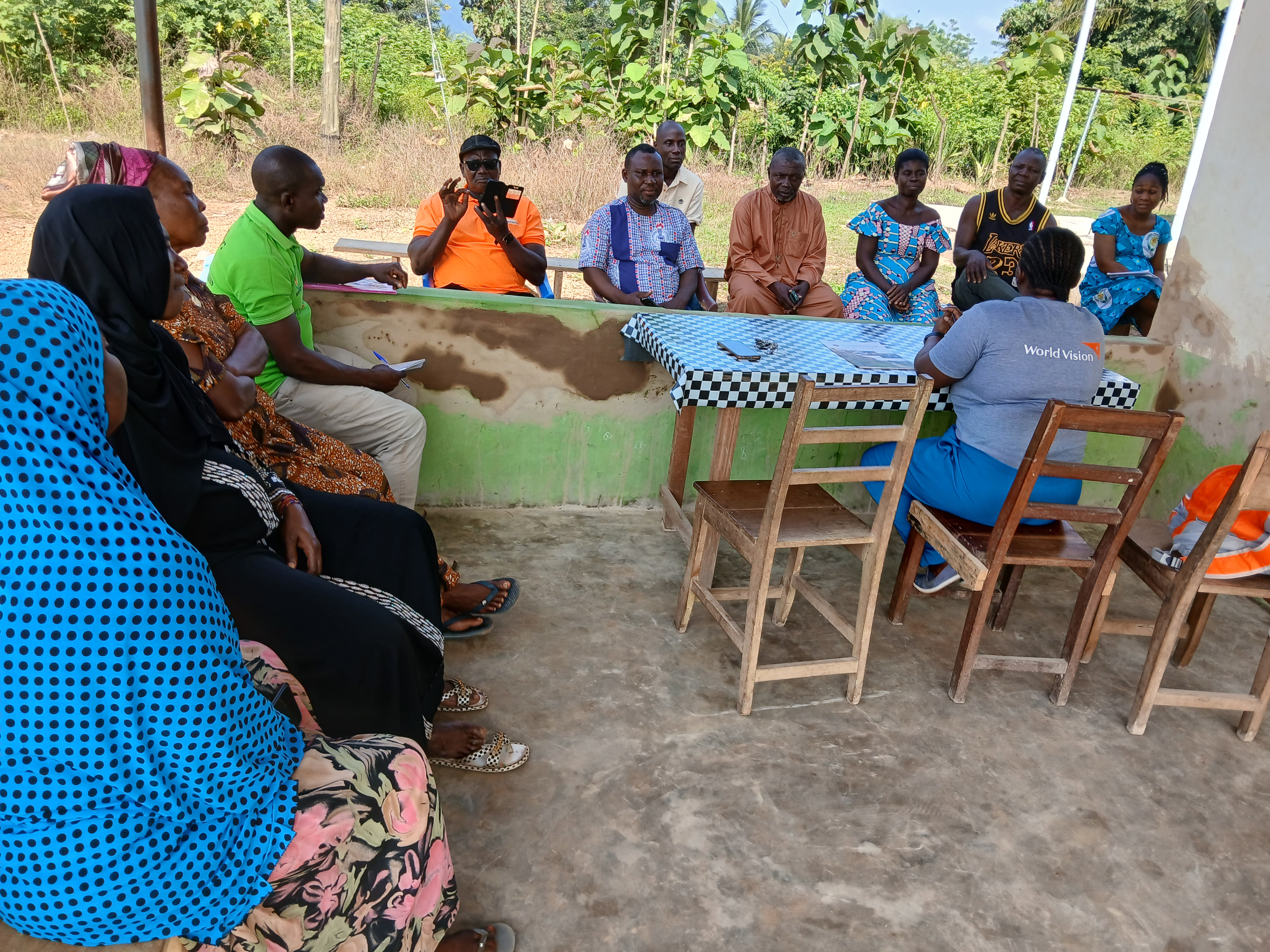
This situation began to change on 29 October 2024, when the Community Health Management Committee (COMM) was formally inaugurated with a ten-member leadership structure, made up of five women and five men. With support from World Vision, the committee was strengthened through the COMMs model, which focuses on empowering communities to take ownership of local systems and advocate for sustainable improvements.
Soon after its inauguration, the COMM demonstrated strong leadership and commitment by prioritising the most critical barriers to quality health care. One of the key challenges identified was the lack of reliable access to safe water at the health facility. Through persistent advocacy with the District Assembly, the committee successfully secured a mechanised borehole, ensuring a sustainable supply of safe water for patients and health workers. The committee also mobilised community members to construct a supporting platform for the water system, reinforcing local ownership and sustainability.
Recognising the importance of electricity for effective service delivery, the COMM further engaged the Member of Parliament, resulting in the health facility being connected to electricity. This improvement significantly enhanced the facility’s ability to provide care, especially during emergencies and night-time services.
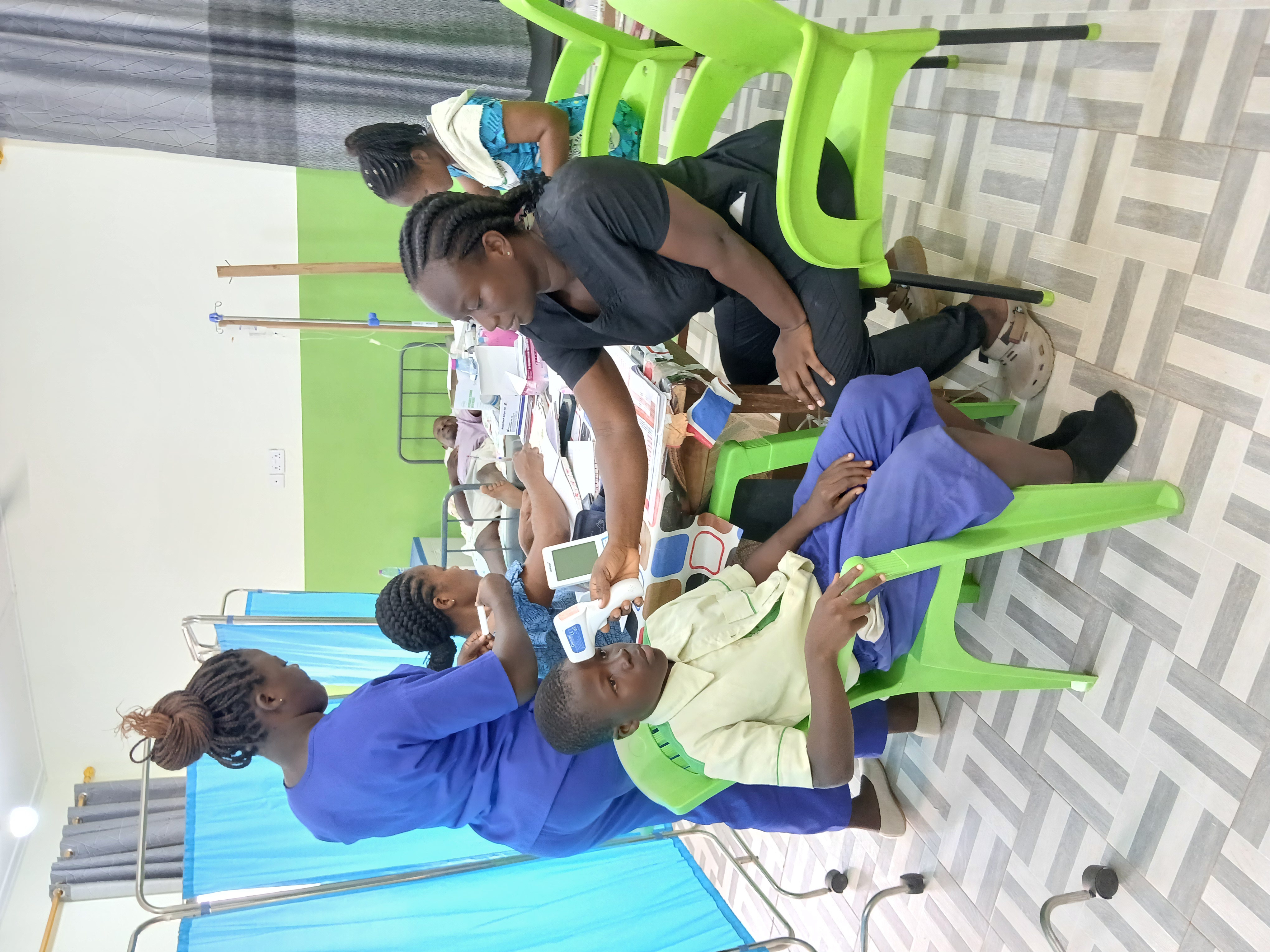
To address understaffing, the committee advocated for additional health personnel. As a result, a Registered General Nurse and a Midwife were posted to the facility, greatly improving access to maternal, child, and general health services. The COMM also mobilised the community to undertake regular communal labour to clean and maintain the facility, creating a safer and more hygienic environment for service delivery.
Beyond infrastructure and staffing, the committee strengthened access to health financing by engaging the National Health Insurance Authority (NHIA) to register community members and educate them on the benefits of NHIS enrolment. This led to a significant increase in NHIS cardholders, reducing financial barriers to accessing health care. The committee also facilitated accommodation for health workers, supporting staff retention and continuity of services.
Today, the Dzindziso health facility is fully functional, providing quality health care services to over 4,000 people. The impact of these changes is evident in the lives of community members.
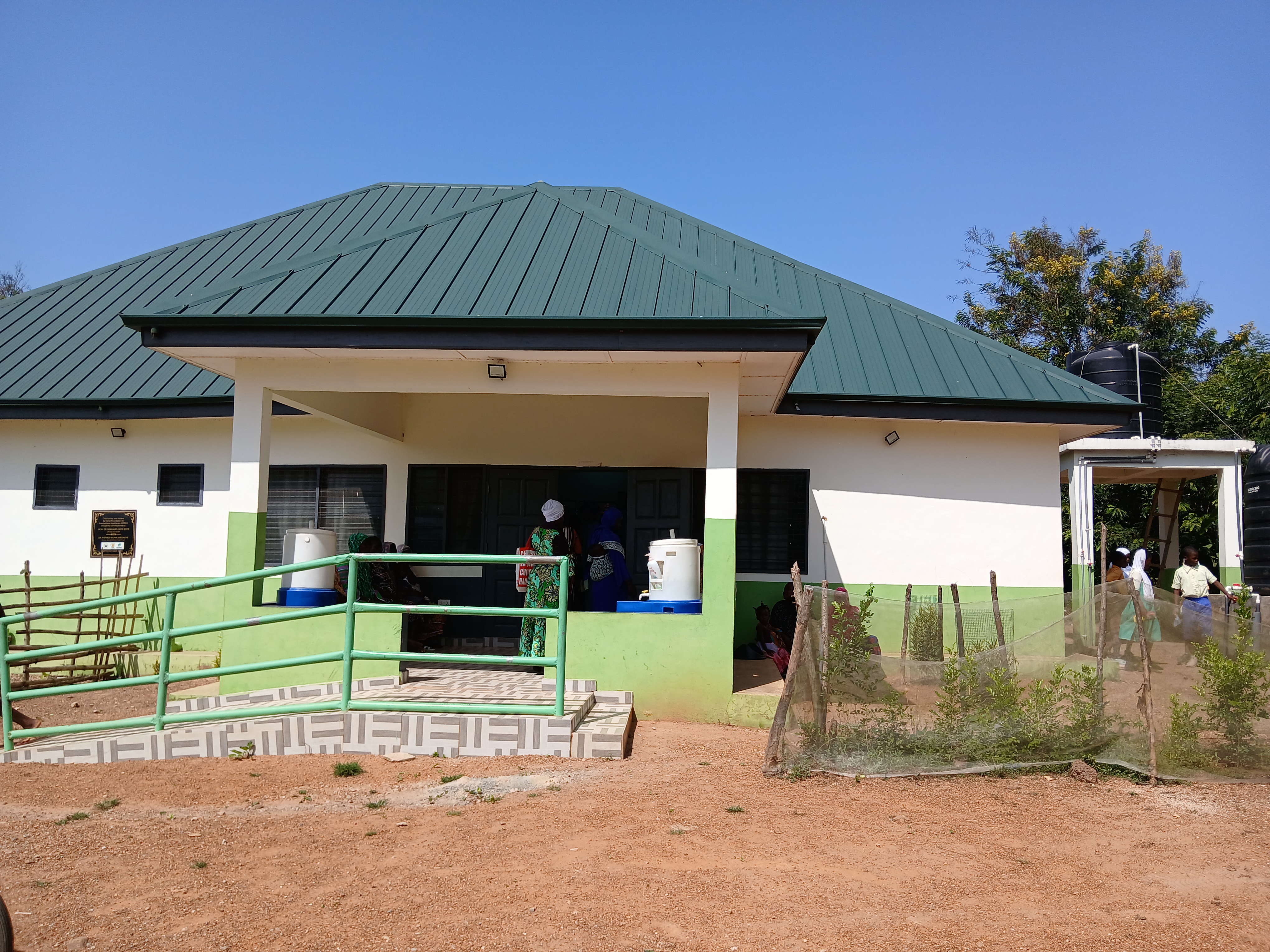
Rashida, a 12-year-old Class Five pupil, shared “Before, my mother had to take me to Kadjebi or Papase Hospital whenever I was sick. Now we have our own health facility with nurses who take good care of us. We no longer travel long distances, and this has brought us great relief.”
The transformation is also reflected in stronger accountability and service quality. According to the COMM Chairman, Mr Amewow, the committee uses the Community Score Card on a quarterly basis to monitor service delivery, strengthen transparency, and ensure health workers are responsive to community needs. As a result, more community members now choose to seek care in Dzindziso rather than travelling elsewhere.
Looking ahead, the COMM plans to sustain and expand these gains by organising a fundraising durbar to support further improvements, including the provision of hospital beds, installation of a facility signpost, construction of a fence wall, and engagement of security personnel.
By empowering communities to advocate, mobilise resources, and hold systems accountable, children and families in Dzindziso now enjoy improved, equitable, and sustainable access to quality health care.