
Hope for Every Child: Innovation and Strong Partnership Drive Safe Water Delivery in Ahafo Region of Ghana

This is more than a promise—it is a mission. When World Vision Ghana launched its bold national strategy, Hope for Every Child, it was not simply a declaration of intent but a mission to transform lives in rural communities. A mission that requires strong partnership and commitment to achieve. Just weeks later, that mission is already unfolding in the Ahafo Region’s most vulnerable communities, where access to safe water, sanitation, and hygiene services is being redefined.
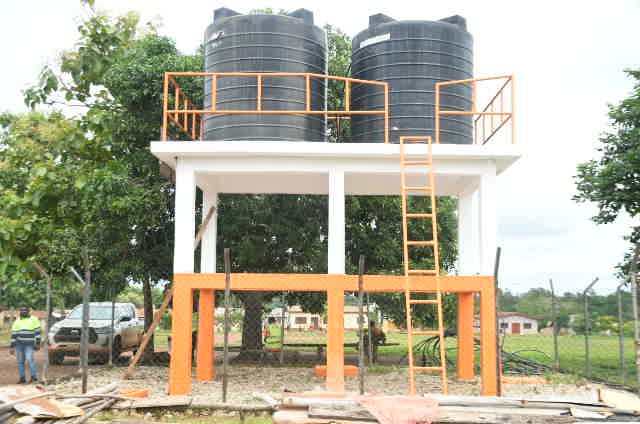
Professionalising Water Systems
Water is life, and therefore its supply must be sustained at all costs. That requires innovation not only in building water systems or erecting fetching points but also in ensuring they continue to function reliably. For decades, Ghana’s rural communities carried the burden of maintaining broken-down water systems, often leaving families stranded without safe water for months. This setback hindered progress in water, sanitation and hygiene and obstructed achievement of Sustainable Development Goal 6.
World Vision Ghana, with funding support from the Conrad Hilton Foundation, is changing that narrative through the professionalisation of water services. By partnering with Nsiah Insurance Company and Pec Consult, the organisation and its collaborators in the implementation of the Ahafo Region Integrated Water Programme (ARIWP) have introduced a system where the cost and responsibility of maintenance are transferred from vulnerable communities to private-sector actors. This spares communities and local government authorities from repairs and maintainance responsibilities.
“Achieving sustainable safe water does not require doing business as usual'. Innovation, including integration of technologies and strong partnerships, is a necessity,” said Robel Wamisho, Associate Director of WASH at World Vision Ghana.
Addressing the Ahafo Regional Coordinating Council team, led by Hon. Mrs Charity Gardiner, during World Vision Ghana’s leadership tour of the region, he emphasised that commitment from key actors—government, the private sector, community leadership and local authorities—is critical in achieving sustainable water flow and development.
“What we have done through this initiative is to shift the responsibilities of managing and maintaining water systems from the community to an independent body, while communities ensure accountability and good governance of the system,” he added.
This means that when a water system breaks down, insurance coverage ensures quick repairs and uninterrupted service delivery. Communities are freed from the financial and logistical burden, and water flows consistently. Through this initiative, a standard has been set for effective, efficient and sustainable management of community-level water systems. Installation of smart meters allows for effective utilisation of water resources, and the lower cost means every member of the community is able to connect water to their household,” Wamisho emphasised.
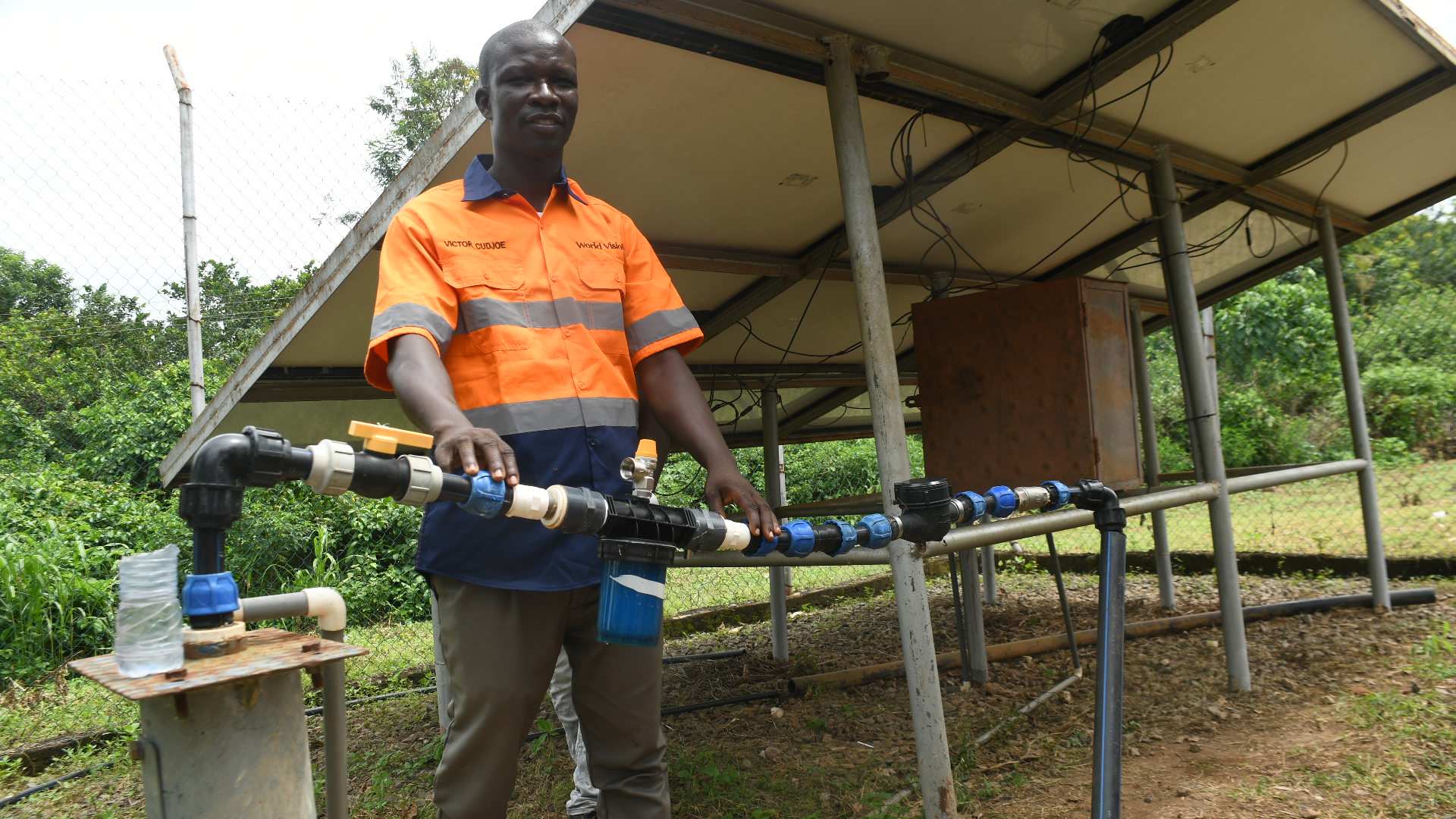
Freedom and Transformation
The impact so far is profound. In the Kenyasi No. 3 community, women no longer spend endless hours worrying about repairs or searching for alternative water sources. Children are spared the disruption of unsafe water and can focus on their education. Community leaders testify to a new sense of security—knowing that safe water is not a fragile privilege but a guaranteed service.
As one local leader expressed, 'This is innovation with love. 'It is not just water—it is dignity, it is freedom, and it is hope for every child. Thank you, World Vision Ghana.”
A Model for the Future
The Ahafo water initiative is the first in a series of community transformations under the national strategy. By combining infrastructure with sustainability mechanisms, World Vision Ghana is setting a new standard for rural development—one where essential services are not only delivered but also maintained with excellence.
This model demonstrates that when innovation meets compassion, rural communities can break free from cycles of vulnerability and embrace a future of resilience.
Behind all the successes and transformation is the Conrad Hilton Foundation, whose continued funding enables World Vision Ghana to do more—touching lives at the very edges of the country. And with this, where World Vision Ghana goes, water flows sustainably and communities smile.