
Water : A Powerful Resource that Unites Communities in West Gonja Municipality

In many communities, differences in faith can quietly draw invisible lines — lines that separate, divide, and limit how people come together. For years, the two communities of Nabori and Yipala in the West Gonja Municipality, one predominantly Muslim and the other predominantly Christian, lived this reality, each holding firmly to their own spaces and traditions.
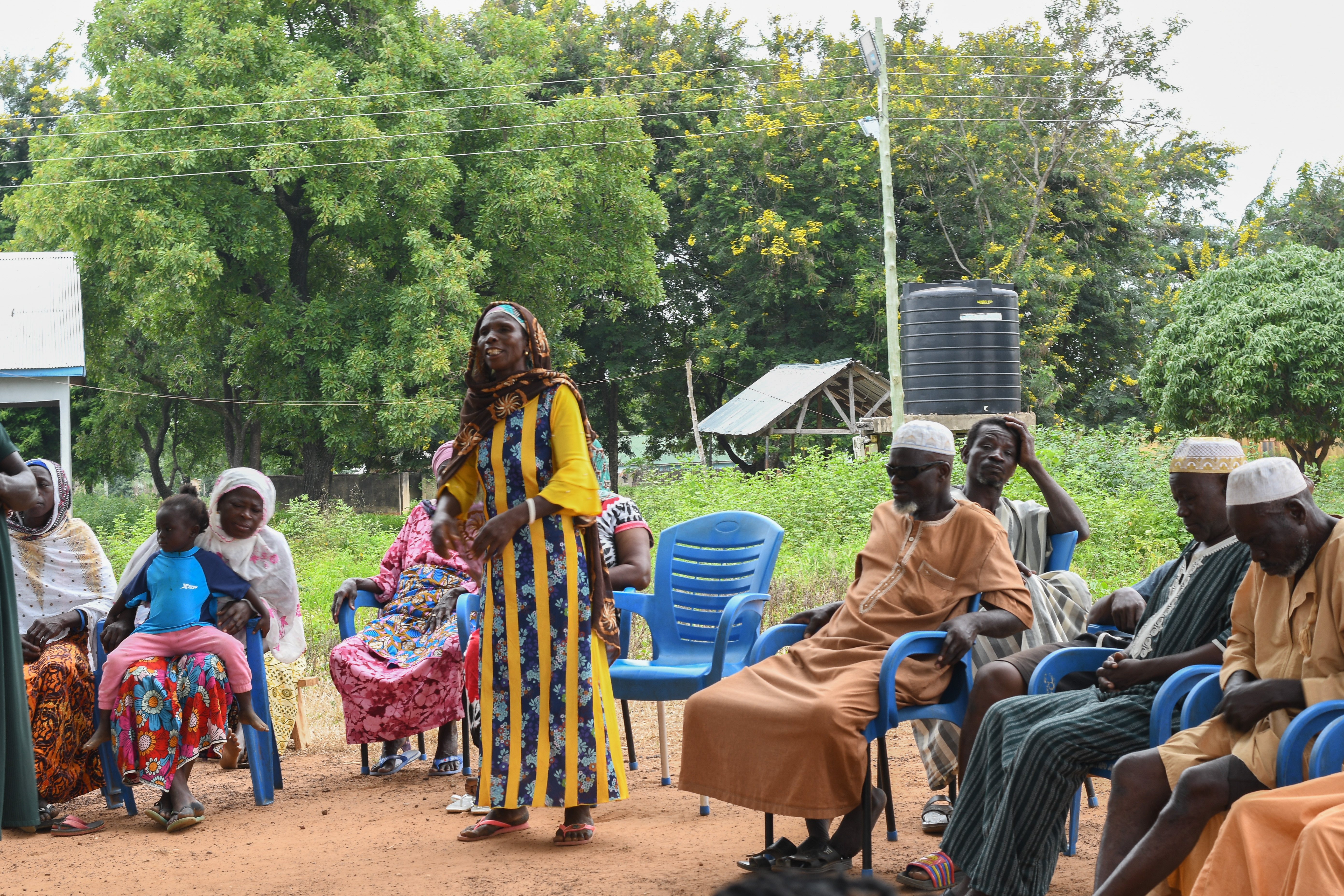
But then something remarkable happened: World Vision Ghana entered the area, and with a single water facility, the two communities were gradually brought together.
“We were not sure why the two communities were not relating much; however, under this water project, members of the two communities are now relating well. We even jointly manage the facility together,” said Amadu Mumuni, one of the leaders of the facility management committee.
For Abutu Alhassan, everything began to change when clean and safe water arrived.
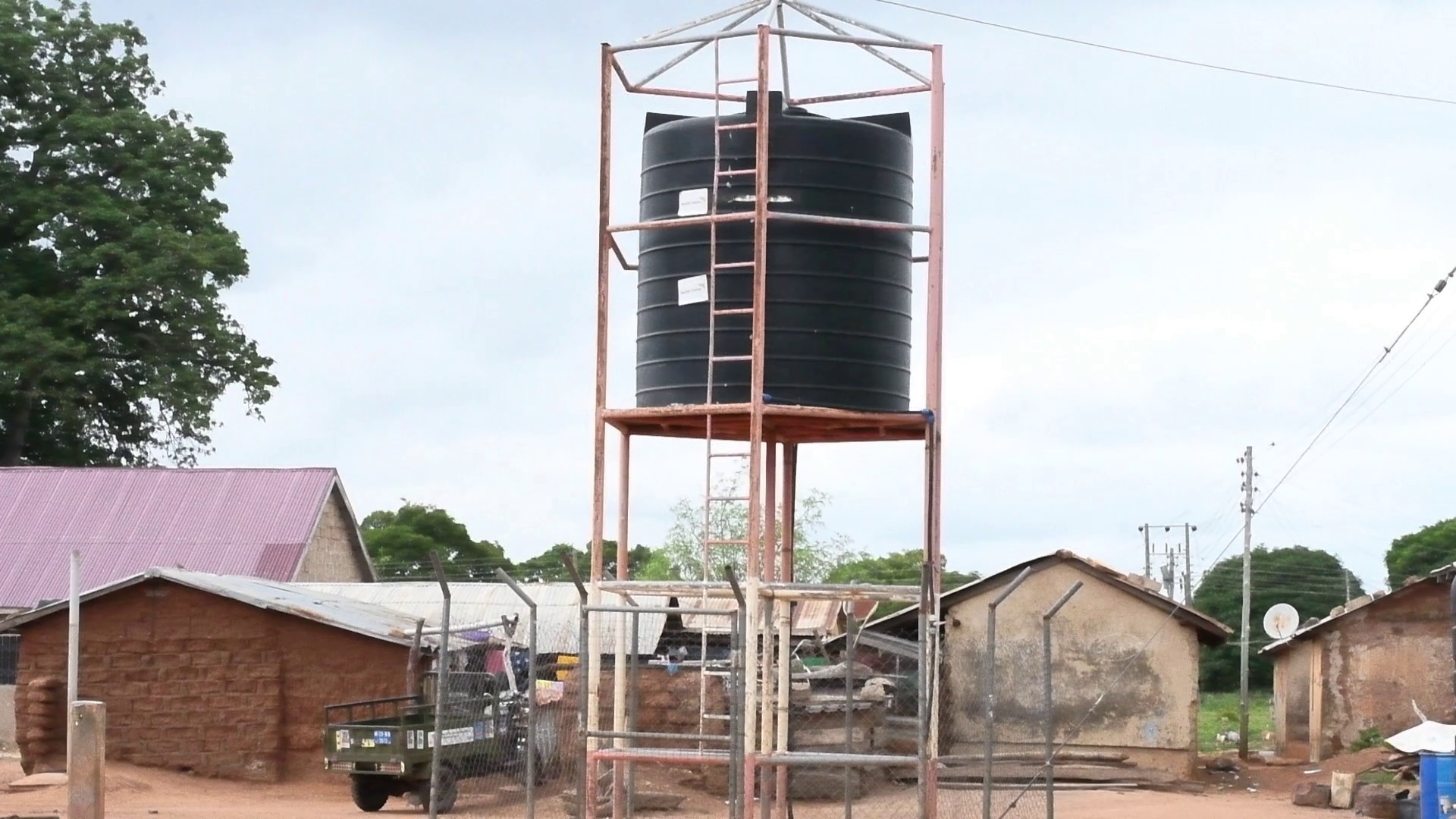
With support from World Vision US, World Vision Ghana constructed a mechanised water system designed to serve both communities. What seemed like a simple development project quickly became much more — a bridge connecting people who had lived apart for far too long.
Water as a Point of Connection
Before the water system was installed, families relied on distant and often unsafe water sources. Limited access kept interactions minimal; each community fetched water separately, reinforcing the long‑standing division.
But the World Vision–supported water facility changed the rhythm of life for women, men, and children alike. Positioned between the two communities, the water points became a shared space — a place where mothers met while fetching water, children played freely, and men exchanged greetings that gradually grew into deeper conversations.
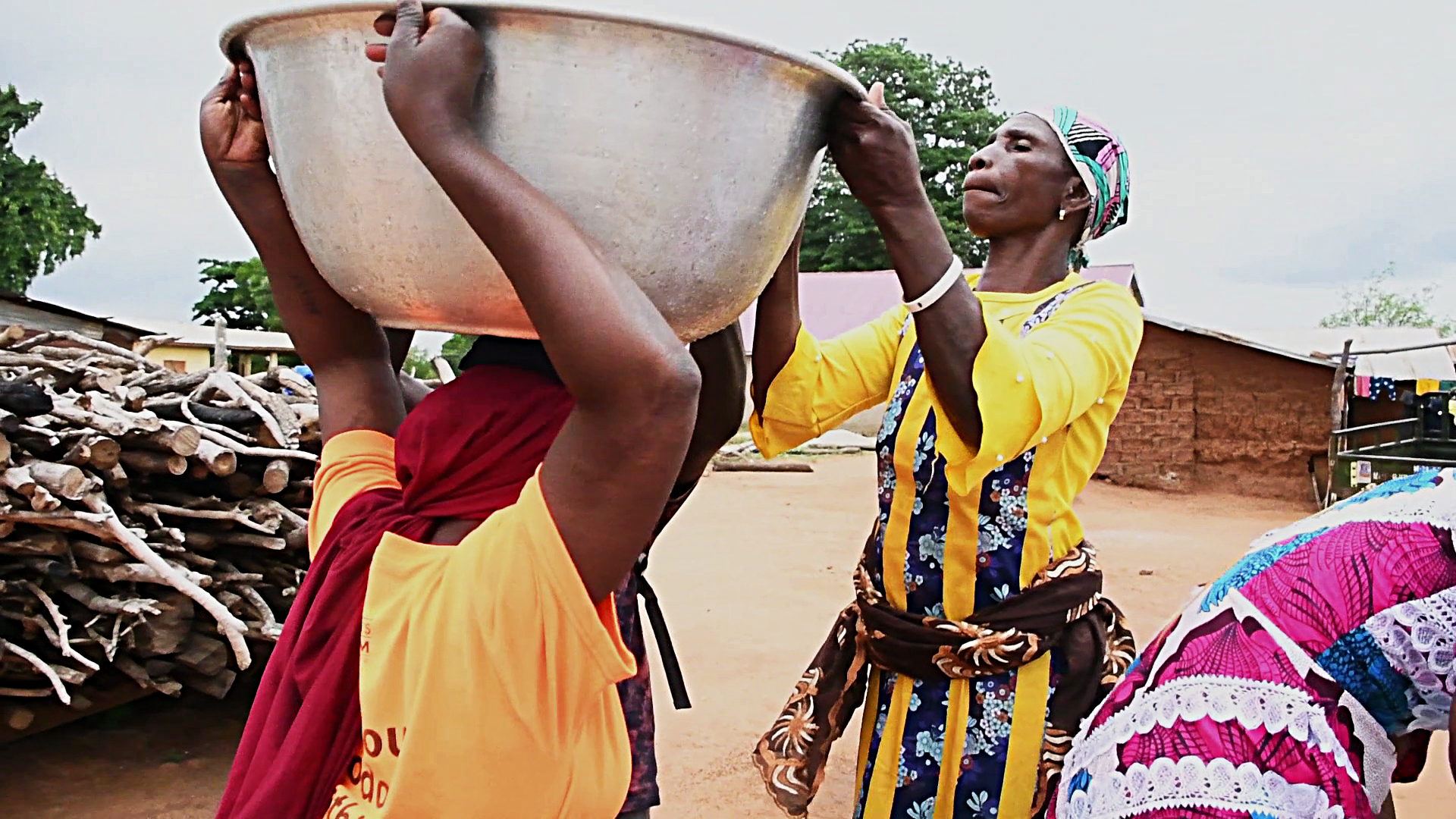
Water became the great equaliser.
“We used to greet each other from afar, but now we stand together, talk, and even help one another while fetching water,” said Abu Walkiatu, one of the women’s leaders.
The mechanised water system broke down long‑standing barriers, softened entrenched religious perceptions, and steadily built trust. Families and children from both communities now gather at the same water points, leaving behind the divisions that once kept them apart.
Today, Muslims and Christians in Nabori and Yipala stand side by side — united, peaceful, and collaborating for a better future — through a World Vision US-supported safe water facility that has connected the communities and removed barriers that should never have existed in the first place.
A powerful reminder that water does not only sustain life — it connects communities.
Breaking Barriers and Building Social Harmony
As interactions increased, years of silent mistrust began to fade. Shared access to water encouraged cooperation, and soon the communities began to see themselves not as separate religious groups but as partners working towards a common good.
“This water has opened doors for us. Our Muslim and Christian brothers now relate better than before. Our children play together without fear,” Walkiatu added.
Beyond meeting a basic need, the water project has become the foundation of renewed unity. Community members now collaborate on sanitation activities — initiatives that rarely happened jointly in the past.
More Than a Project — A Symbol of Peace
Across Ghana, water transforms health, education, and livelihoods. But in Nabori and Yipala, it has done something even more profound — it has restored relationships.
The mechanised water facility stands not only as a source of clean water but also as a symbol of unity, reconciliation, and shared identity. Where boundaries once existed, there is now laughter, connection, and hope. Where water flows, peace flows too.
A Future Built on Unity
Today, the communities of Nabori and Yipala proudly demonstrate how access to a shared resource can mend divisions once thought permanent.
"We are glad our intervention has not only relieved the communities from the burden of accessing water, sanitation, and hygiene services but has also brought them together for good,” said Gertrude Nkrumah, WASH project officer at World Vision Ghana.