World Vision Ghana Calls for Strategic Partnerships at Global Africa Summit

By Vivian Adu, Communications Officer
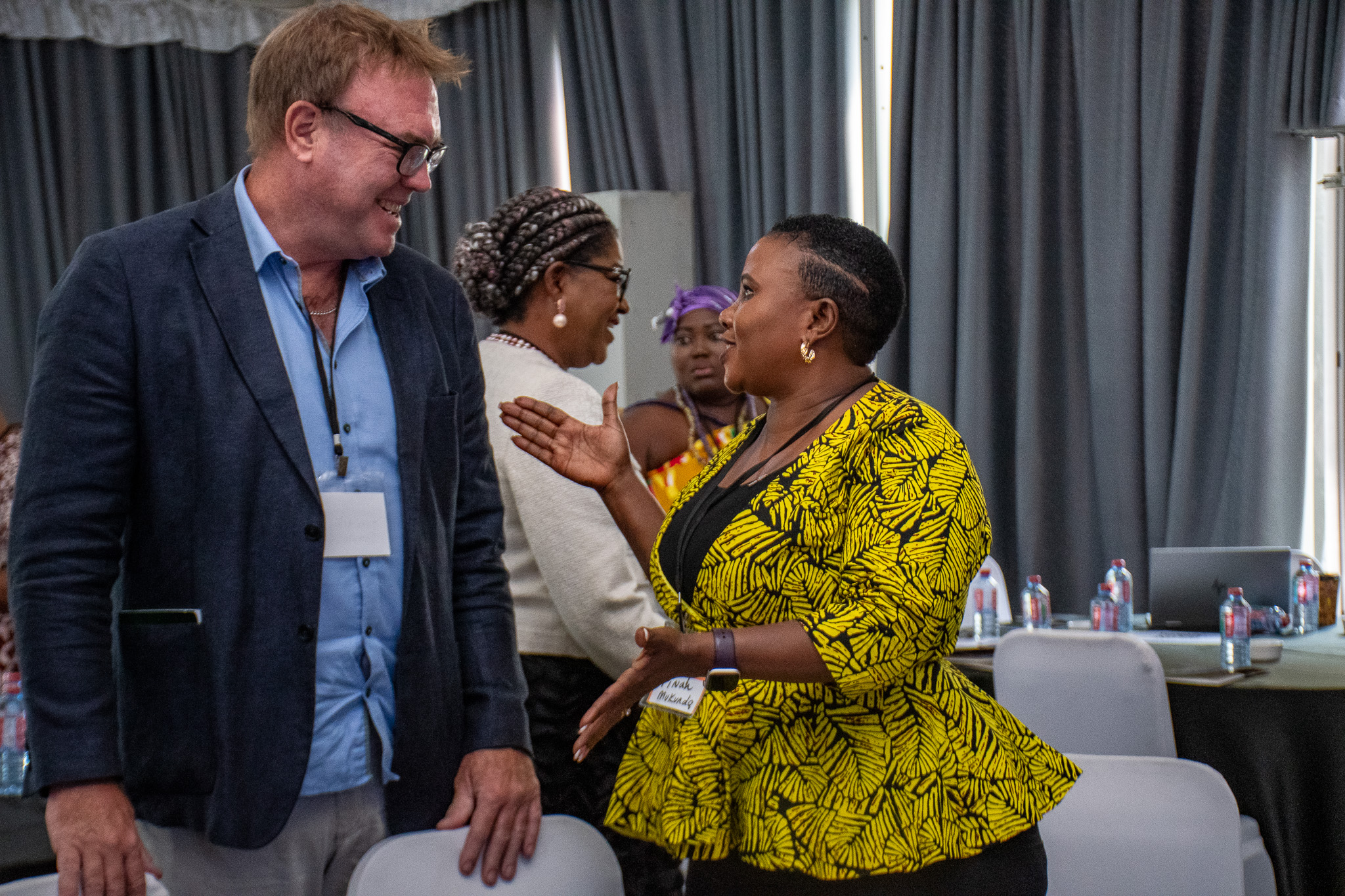
Dr Tinah Mukunda, National Director of World Vision Ghana, has issued a compelling appeal for stronger diaspora engagement in Ghana’s development agenda during the 2025 Global Africa Summit, held on Wednesday at the Alisa Hotel in Accra.
Delivering the keynote address, Dr Mukunda urged Ghanaians abroad to move beyond remittances and take up a more strategic role in national transformation through investment, innovation, and skills transfer.
Her remarks followed an emotional video portraying the daily struggles of four girls from Agortime in the Volta Region, who walk long distances in search of water before attending school.
Highlighting the critical state of water, sanitation, and hygiene (WASH) in Ghana, Dr Mukunda revealed that 18% of households have no toilet facilities, a figure that rises to 31% in rural communities, while 26% of public schools lack access to toilets. These gaps, she noted, have far-reaching consequences for education, health, and child protection, with millions of children facing daily barriers to learning and dignity.
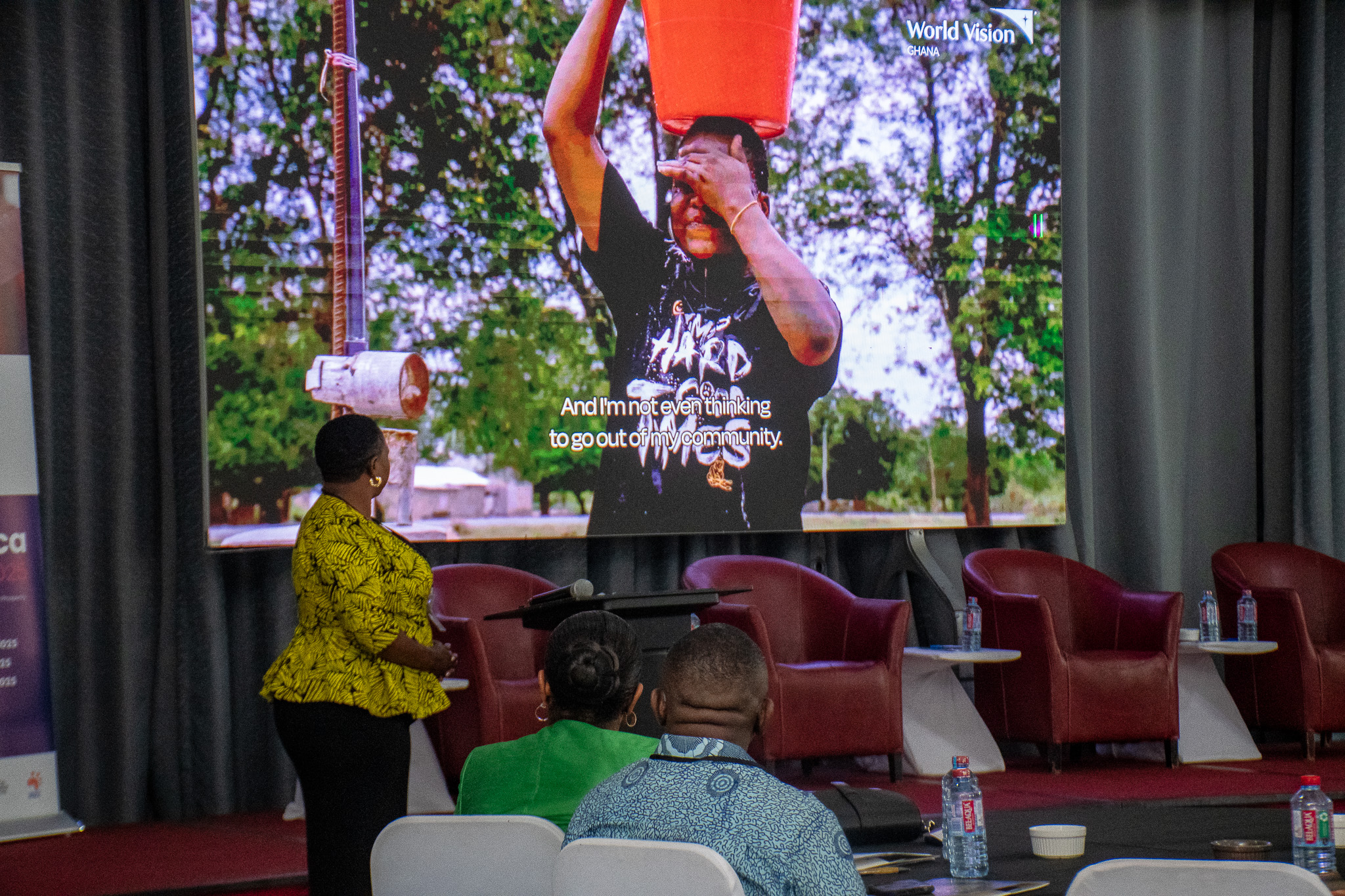
“Every hour spent searching for water is an hour lost from school an hour stolen from childhood. No child should ever have to choose between education and survival. When water is far away, education is far away. When sanitation is inadequate, opportunity disappears”, Dr Tinah Mukanda noted.
She called on the diaspora to leverage their influence, skills, and resources to accelerate Ghana’s transformation. She emphasised that this is not charity but nation-building and impact investment with measurable returns.
Dr Mukunda highlighted the enormous potential of Ghana’s global diaspora, describing it as a “powerhouse of expertise, enterprise and influence.” She encouraged diaspora leaders to invest in high-impact sectors such as renewable energy, agribusiness, digital infrastructure, and climate resilience, which she said could reshape communities and accelerate national development.
“Imagine if every investment, every skill and every network became a seed that transforms entire districts and regions,” she said.
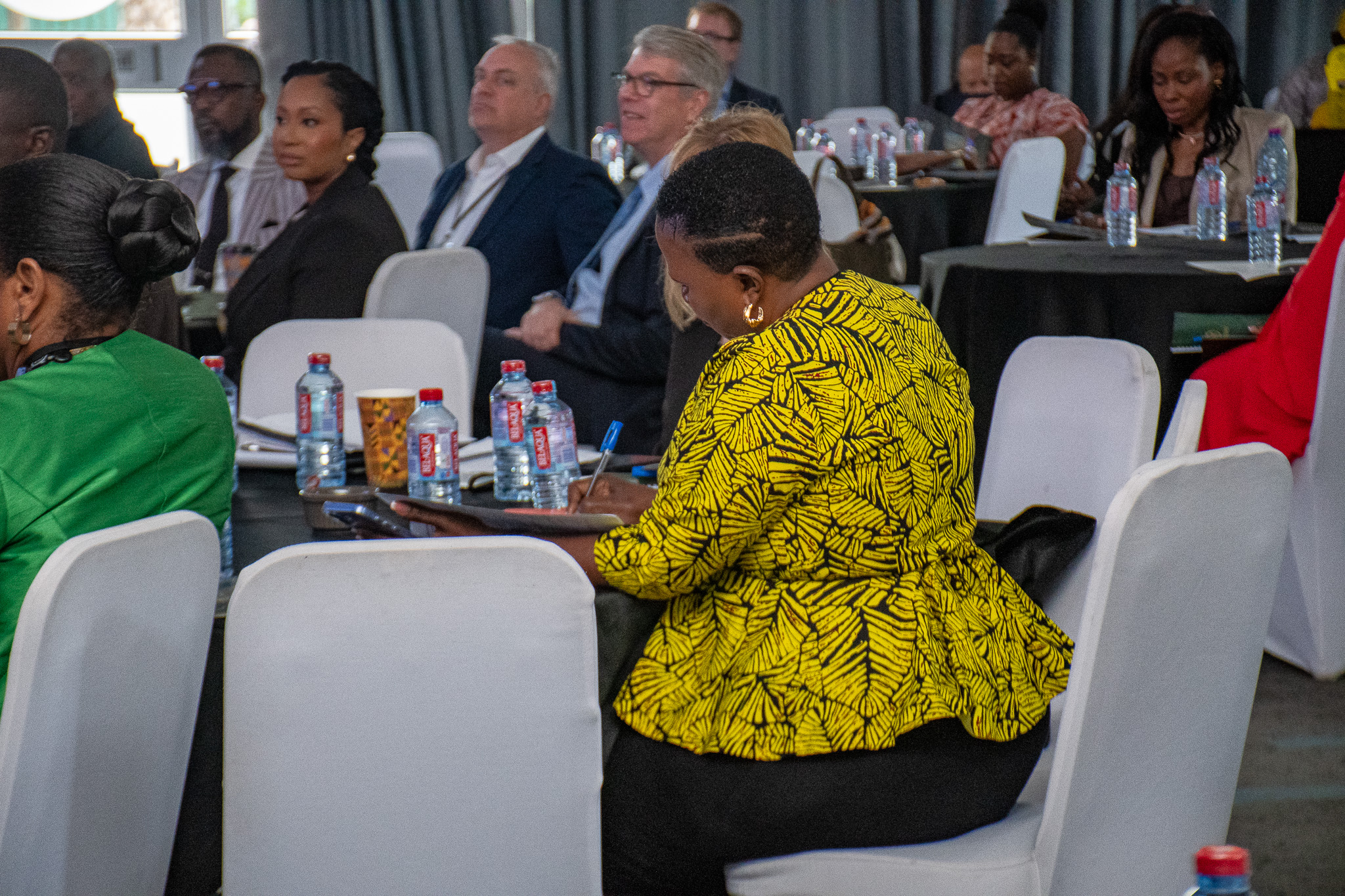
Reflecting on World Vision Ghana’s work, Dr Mukunda noted that the organisation active in the country since 1979, continues to operate across 14 of Ghana’s 16 regions and is on track to reach 3.3 million vulnerable children by 2025. Its programmes span water, sanitation and hygiene (WASH), health, education, child protection and livelihoods.
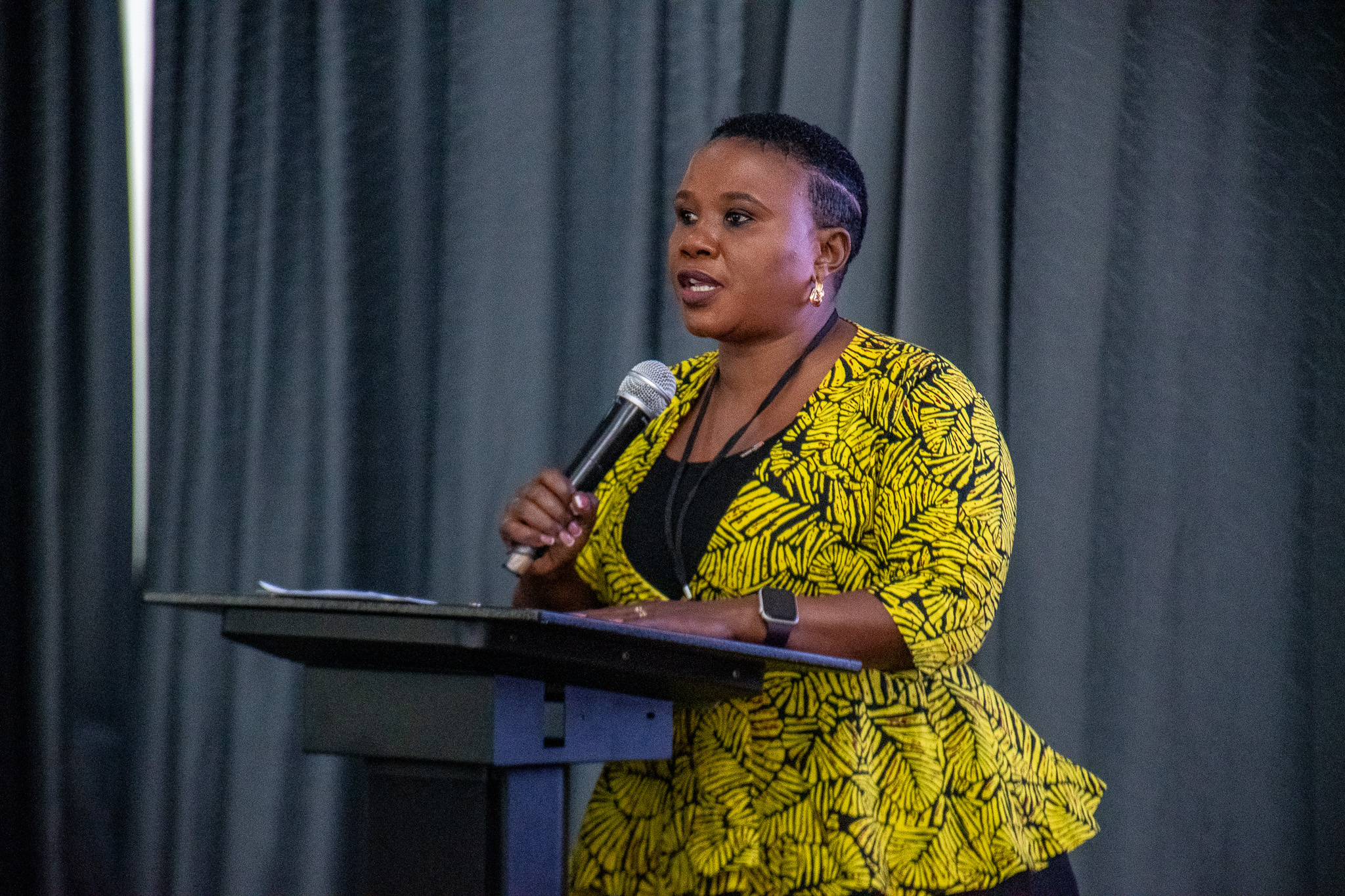
“We do not choose who to serve based on religion, ethnicity, gender or background. We serve because every child deserves dignity”, she said.
Calling for strategic partnerships, she urged the diaspora and global investors to join World Vision Ghana in scaling up sustainable water systems, climate-resilient agriculture, rural health services, renewable energy solutions, and infrastructure that opens new markets.
“This is not charity. This is nation-building. This is economic transformation”, she concluded.