
A Mother’s Support, A Child’s Confidence

Across the West Bank, prolonged conflict, movement restrictions and socio-economic pressures continue to affect children's wellbeing and their opportunities to develop essential life skills. Many children have limited access to safe extracurricular activities where they can build friendships, develop confidence and express themselves freely. As a result, some struggle with social interaction, participation and self-confidence, highlighting the importance of safe, structured spaces where they can learn, play and grow alongside their peers.
With support from World Vision Canada, Makani Clubs provide children with opportunities to strengthen their life skills, build confidence and develop positive relationships through structured recreational and educational activities. Recognising that lasting change begins at home, the programme also brings parents together through regular learning sessions, equipping them with practical strategies to support their children's social and emotional development and reinforce these skills in their daily lives.
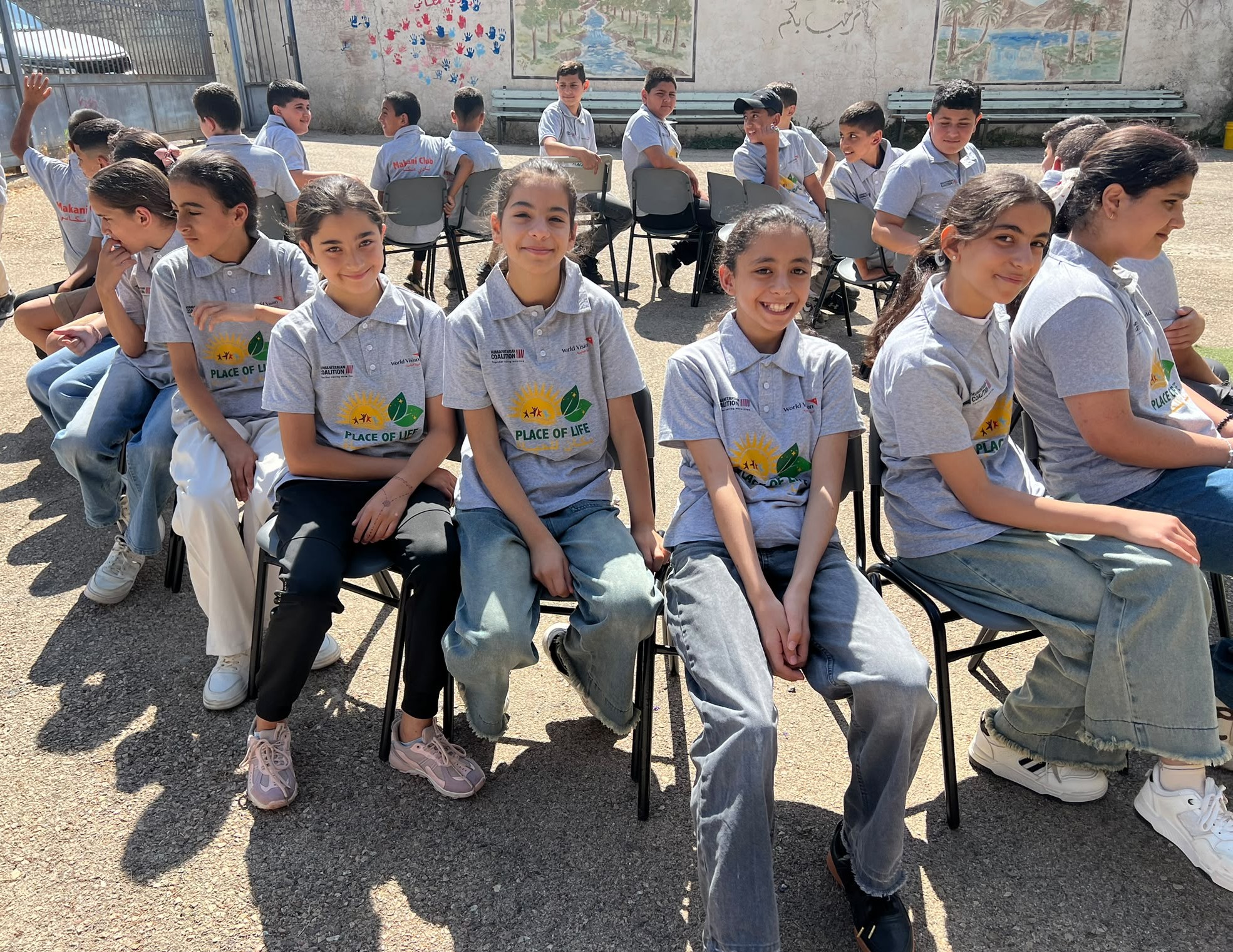
For Shaimaa, a 44-year-old mother of four, her greatest concern was her eldest son, Islam, aged 11. Although he had no developmental or learning difficulties, he struggled to interact with other children. He rarely spoke in groups, avoided expressing his opinions and often withdrew from games if he lost or felt excluded. Afterwards, he would tell his mother that the other children had deliberately left him out and insist that he never wanted to participate again.
When Islam joined the Makani Club, it was his first experience of an organised extracurricular activity. At the same time, Shaimaa began attending the monthly parents' sessions after being encouraged by the facilitators. Inspired by the welcoming atmosphere, the clear purpose of the sessions and the practical advice shared, she attended all six sessions.
One workshop, "How Can I Support My Child at Home?", changed the way she communicated with her son.
"I learnt to listen without interrupting him or trying to correct what he was saying. Giving him the space to express himself in his own way encouraged him to speak more openly and with greater confidence."
While Shaimaa reinforced these approaches at home, the Makani facilitator provided additional encouragement during club activities, drawing on the feedback shared during the parents' sessions. Through structured games that promoted fair turn-taking, respect and inclusion, Islam gradually began to feel that his place within the group mattered and that everyone had an equal opportunity to participate.
The change was gradual but noticeable. After the eighth Makani session, Islam began asking when the next club session would be. He spoke proudly about the new friends he had made and how much he enjoyed playing with them. For the first time, he felt that he truly belonged, making it easier for him to participate without fearing that he would be left out.
"I started seeing my son with confidence I had never seen before. He no longer withdrew as quickly as he used to. The happiest moments for me were hearing him talk excitedly about his friends and seeing how eager he was to attend every Makani session."
Shaimaa's story shows the value of engaging parents as partners in their children's development. By combining life skills activities for children with practical support for caregivers, the Makani Club helped Islam build confidence, strengthen his social relationships and enjoy his first positive experience of participating in an extracurricular activity. His journey demonstrates that when children are supported both at home and in safe community spaces, they are better equipped to develop the confidence, resilience and social skills they need to thrive.