
Shireen’s story: Breaking Fear and Reclaiming her Life

In many villages across the West Bank, women carry the weight of daily life quietly. At home, they are the pillar from which all stability depends. They care for their families, raise their children, manage the home, and try to preserve a sense of normalcy despite the pressures surrounding them. Yet behind these routines, many women are also living with deep stress caused by insecurity, economic hardship, social pressure, and limited safe spaces to speak openly about what they are going through.
For Shireen*, a 40-year-old married woman and mother of five, these pressures became even heavier. In her village, where privacy, dignity, and reputation matter deeply, she was living with a painful burden in silence. She had been subjected to cyber blackmail and threats to publish private photos, leaving her trapped in fear, anxiety, and constant emotional pressure. What she was facing did not only threaten her privacy; it shook her sense of safety, dignity, and control over her own life.
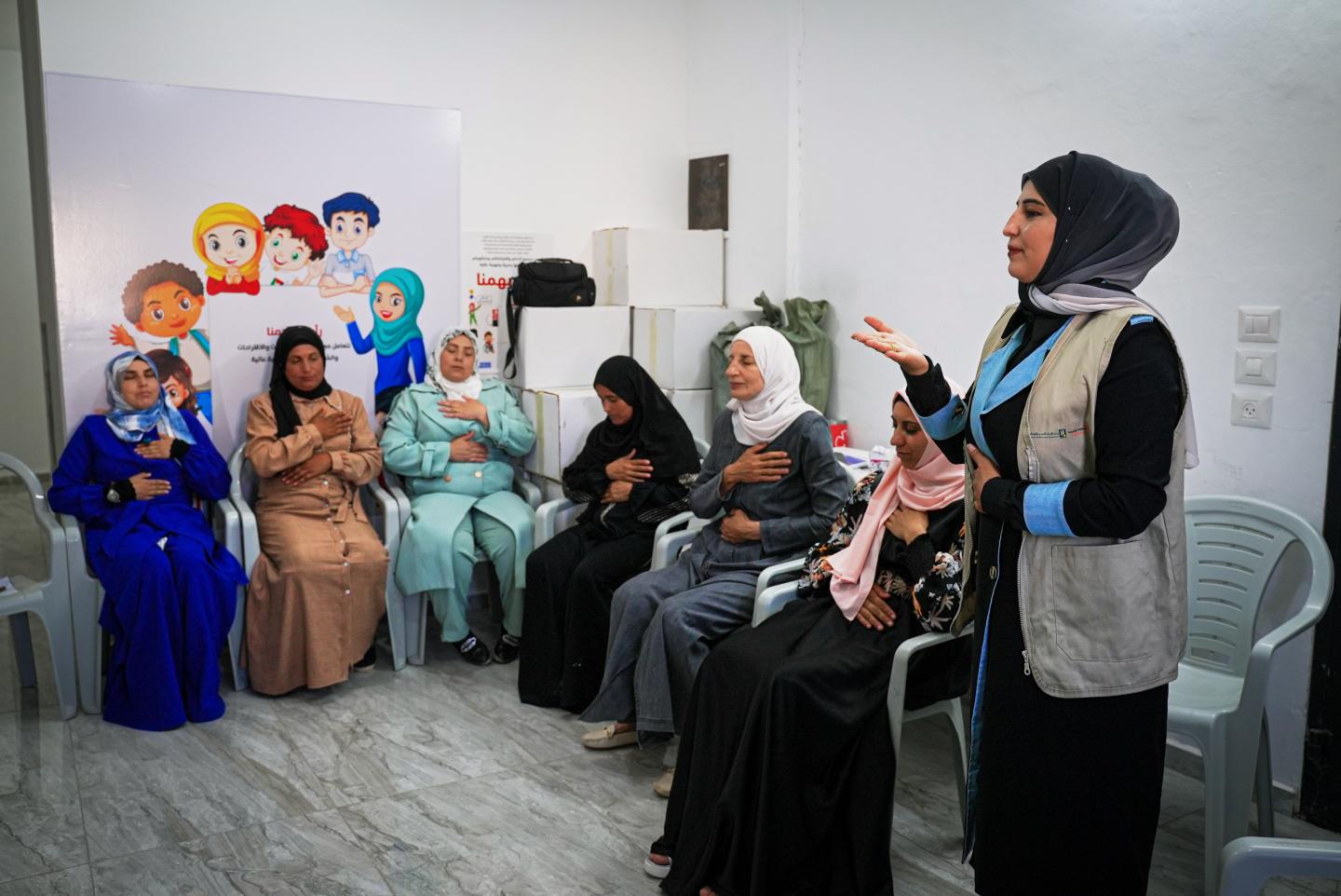
For Shireen, the fear was not hers alone to carry. As a mother, she had to wake up each day and continue caring for her children while hiding the distress inside her. As a wife, she had to live with the painful thought that such threats could affect the trust, stability, and sense of security within her family. And as a woman living in a close-knit community, the fear of exposure was especially heavy. In places where people know one another closely and where honour and reputation carry enormous weight, blackmail can feel devastating. It can isolate women, silence them, and make them feel that asking for help may bring even greater shame.
Like many women facing such threats, Shireen found it difficult to speak about what was happening. Fear, shame, and uncertainty made silence feel safer than seeking help. Day after day, the pressure grew inside her, affecting how she felt, how she thought, and how she saw herself. Yet despite this fear, she made the courageous decision to join the Problem Management Plus intervention, hoping it might offer even the smallest way forward.
During the sessions, Shireen began to learn practical steps that helped her see her situation differently. She learned how to identify the problem clearly, analyse the options available to her, make decisions with greater confidence, and seek support from the right people and services. Slowly, what had once felt overwhelming and impossible began to feel manageable. Step by step, she started to understand that she was not powerless, and that the situation could be addressed through calm, thoughtful action rather than fear and silence.
The turning point came when Shireen broke through that fear. In a safe way, she shared her story and reached out for legal and community support. From that moment, she stopped hiding from the threat and began taking action. She documented the blackmail, contacted the relevant specialised actors, and confronted the situation instead of running from it. These were not easy steps, but they changed the course of her life.
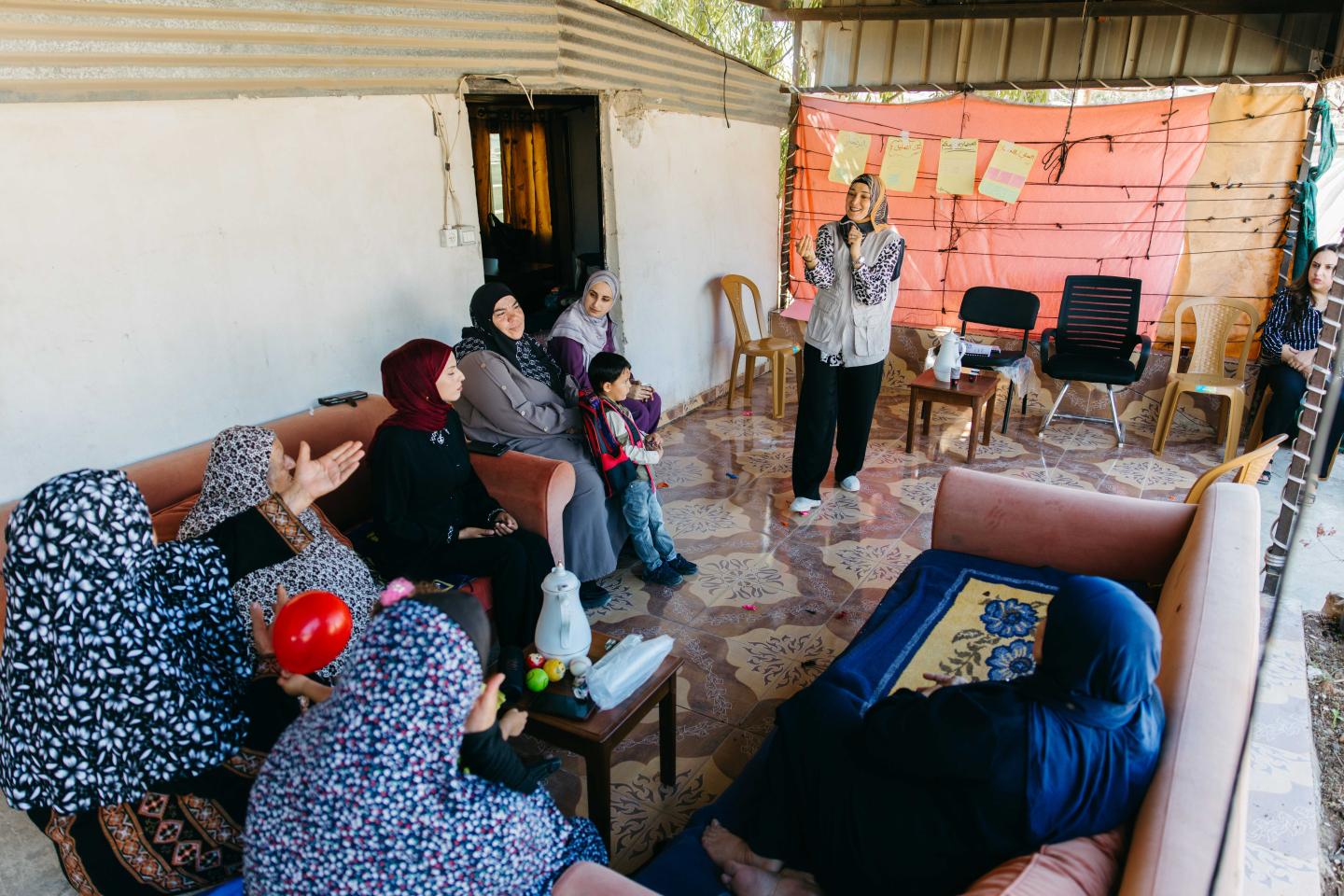
As a result, Shireen was able to bring the blackmail to an end and regain her sense of safety and control. But her story did not end there. What began as a journey out of fear became a journey back to herself. She emerged more aware, more confident, and stronger than before. Having gone through this experience, she is now better able to encourage and support other women who may be living through similar pain in silence.
Reflecting on her journey, Shireen shared a powerful truth: “Sometimes the problem is not the size of the danger, but the size of the fear within us.” She added, “Once we learn how to face, analyse, and make decisions, we can change our reality completely.” Her words reflect the heart of this story: when women are given the right support, they can move from fear to strength, from silence to action, and from distress to dignity.
Shireen’s story is a powerful reminder that Mental Health and Psychosocial Support (MHPSS) can do far more than help people cope with distress. It can help women reclaim their voice, restore their self-worth, and find the courage to take back control of their lives.
Through the project “Enhanced access to Mental Health and Psychosocial Support (MHPSS) services for vulnerable communities in Qalqilya and South Hebron Aps”, implemented from 2023 to 2026, World Vision aims to reach 6,000 children and 450 caregivers through problem management interventions.
* The name has been change to protect her privacy