
A Brighter Flame, A Healthier Future: The Eco Flame Project in Kakoshi and Lamsi

May 2026
East Gonja District, Savannah Region, Ghana
Located in the East Gonja District of Ghana’s Savannah Region, women in Kakoshi, Lamsi, and neighboring communities have long processed cassava into gari using open-fire and wood-fuel stoves, roasting grated tubers manually for hours until they become crisp flakes. This practice exposes them to toxic substances like carbon monoxide at levels well above the World Health Organisation’s safety thresholds. It significantly raises the risk of chronic cough, wheezing, eye irritation, and nearly unavoidable respiratory diseases in the long term. Each roasting cycle uses large amounts of firewood, speeding up deforestation, soil erosion, and land degradation in this ecologically fragile Savannah environment. Meanwhile, the hours spent collecting wood and enduring smoky conditions pull women away from income-generating activities or childcare, while increased healthcare needs lead to higher out-of-pocket medical costs, together undermining household productivity and child welfare.
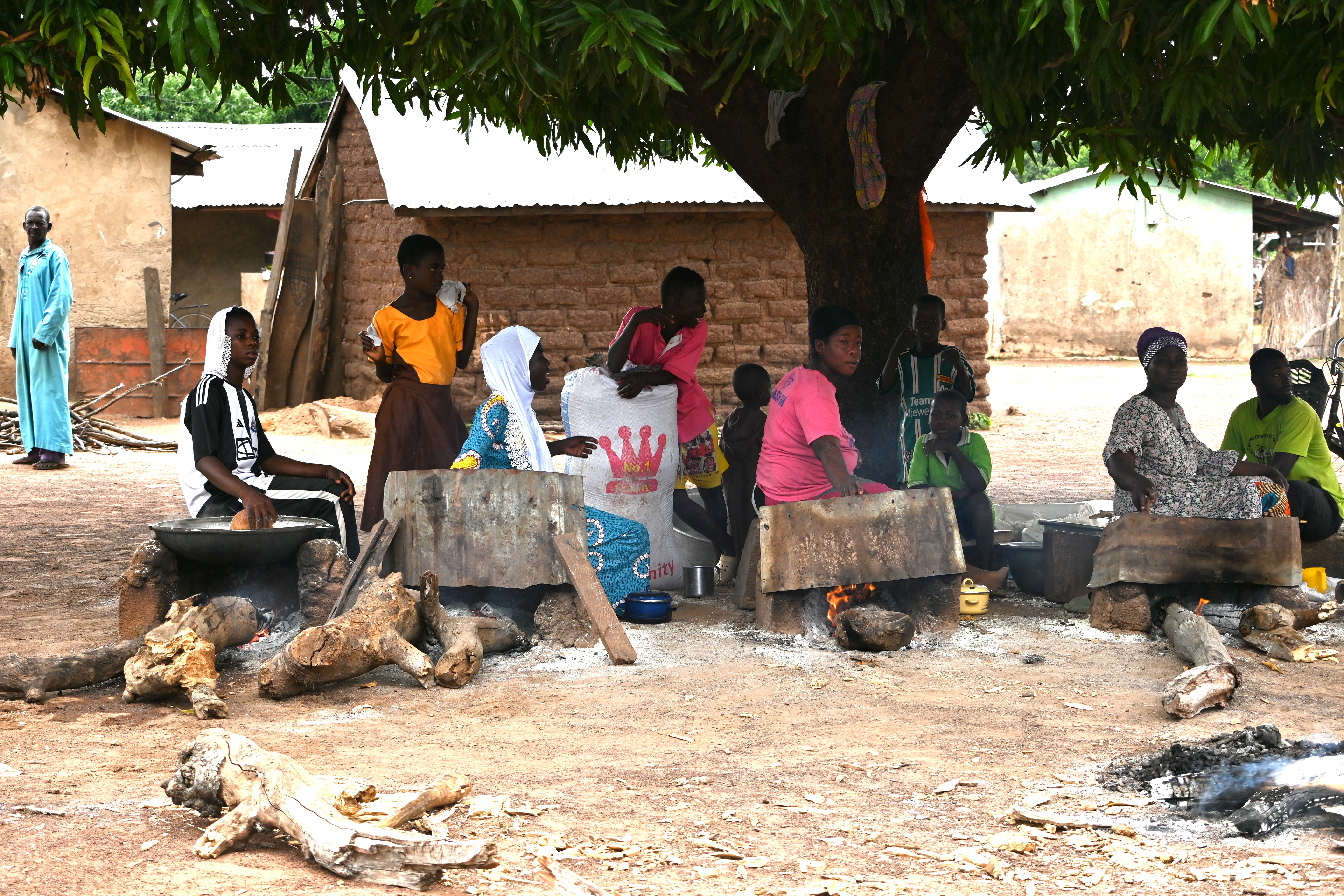
The Eco‑Flame Project[1]
Under the Eco-Flame Project, a strategic partnership between Vivo Energy Ghana[2] (Shell licensee) and World Vision Ghana[3], a demonstration site in Kakoshi, which also serves as a communal gari-processing hub for the women’s gari association, now features energy-efficient stoves. This model promotes cleaner, safer, and more productive gari production. To date, over 200 women have been trained through hands-on sessions to build, maintain, and operate these stoves, significantly reducing fuelwood consumption and eliminating indoor smoke exposure. Additionally, the project conducted sensitization meetings with traditional and district authorities, emphasizing the stoves’ health, environmental, and income benefits. This strategy has encouraged strong community support and aligns with broader livelihood empowerment goals supported by both partners.
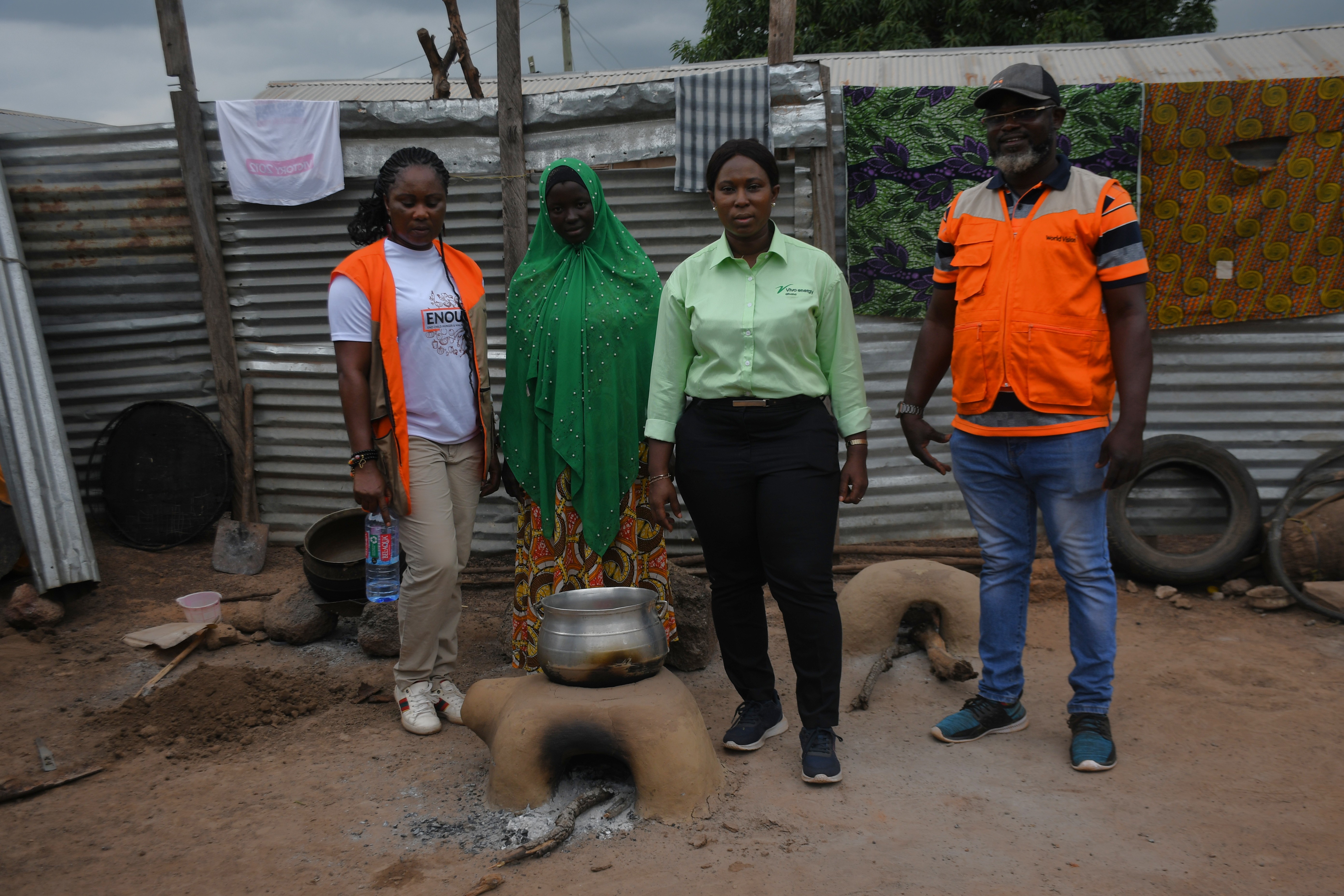
Under the Eco‑Flame Project, the introduction of energy-efficient cookstoves in Kakoshi, Lamsi, and nearby communities has delivered a range of robust, interlinked gains. Fuel wood use per gari‑roasting batch has fallen significantly. Also, smoke exposure has been virtually eliminated, freeing women from chronic coughs and eye infections. Gari roasting time has halved and product quality has improved, boosting yields and income. Women were not just trained to use the stoves, but also to build and maintain them, with many mentoring peers and creating small micro‑enterprises, reinforcing community ownership and leadership. With nearly 90 % of households in these communities now regularly using the stoves, changes are widely felt across health, economy, and the environment.
“Our old clay stoves used to give us a lot of sickness, but the modern stoves built by World Vision and Vivo Energy has brought a lot of relief and we are grateful.” Azara Tahiru, Project beneficiary.
Shirley Tony Kum, Corporate Communication Manager, Vivo Energy Ghana, during her visit to Kakoshi, emphasised the vision for sustainability, project ownership and potential scale-up across other communities. Looking ahead, the project plans to support these women to officially register the gari‑processing groups as a cooperative, initiate FDA registration, and explore possibilities for regional export markets.
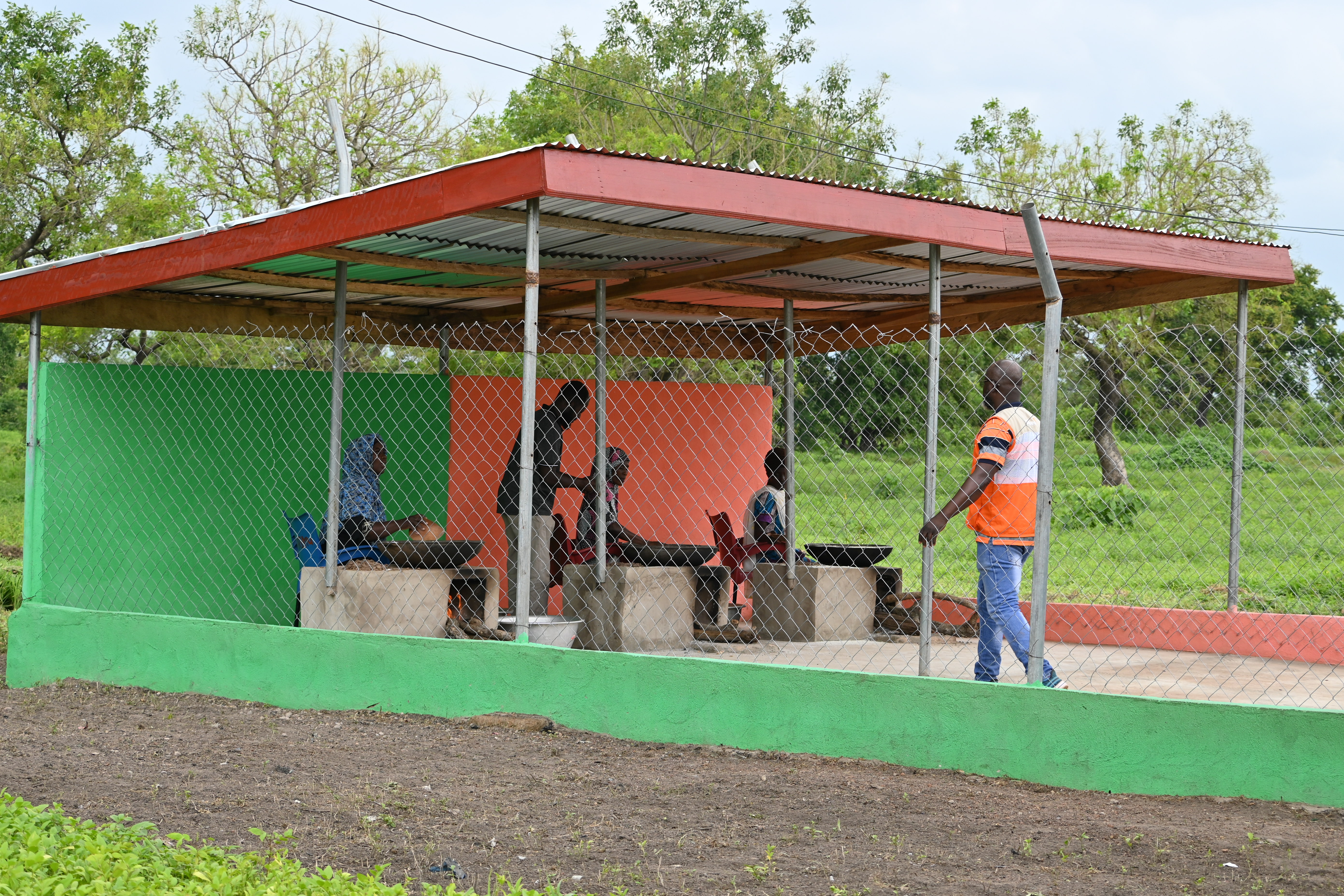
This project directly supports Ghana’s Gender policies on gender equity, clean and affordable energy, health protection, and environmental stewardship, in alignment with SDGs 3, 5, 7, 13, and 15 (undp.org). It demonstrates an integrated model where energy‑efficient stove technology is linked with women’s skills training, enterprise creation, and local leadership., producing real gains in respiratory health and income across Kakoshi and Lamsi . Further, the initiative echoes the United Nations Development Programme’s approach to women’s economic empowerment, which prioritizes training, financial access, and inclusive opportunities across agribusiness value chains, empowering rural women to build socially impactful and financially viable businesses.
[1] The EcoFlame project is a joint initiative between Vivo Energy and World Vision Ghana to support national efforts to adapt to climate change by promoting the use of energy-efficient stoves. The project aims to lower indoor air pollution, support sustainable livelihoods, and mitigate the environmental impacts of using firewood for cooking. It is being implemented under the Gonja Area Programme in the Savannah Region of Ghana.
[2]Vivo Energy Ghana is the exclusive marketer and distributor of Shell-branded products and services and a major player in the downstream petroleum sector, championing and setting standards for safety, innovation and quality. Vivo Energy Ghana continues to make a positive impact in communities where it operates by implementing long-term sustainable development initiatives.
[3]World Vision is a Christian humanitarian organization dedicated to working with children, families, and their communities worldwide to reach their full potential by tackling the causes of poverty and injustice. World Vision serves all people, regardless of religion, race, ethnicity, or gender.