
Classrooms of Resilience: Supporting Displaced Children in the West Bank

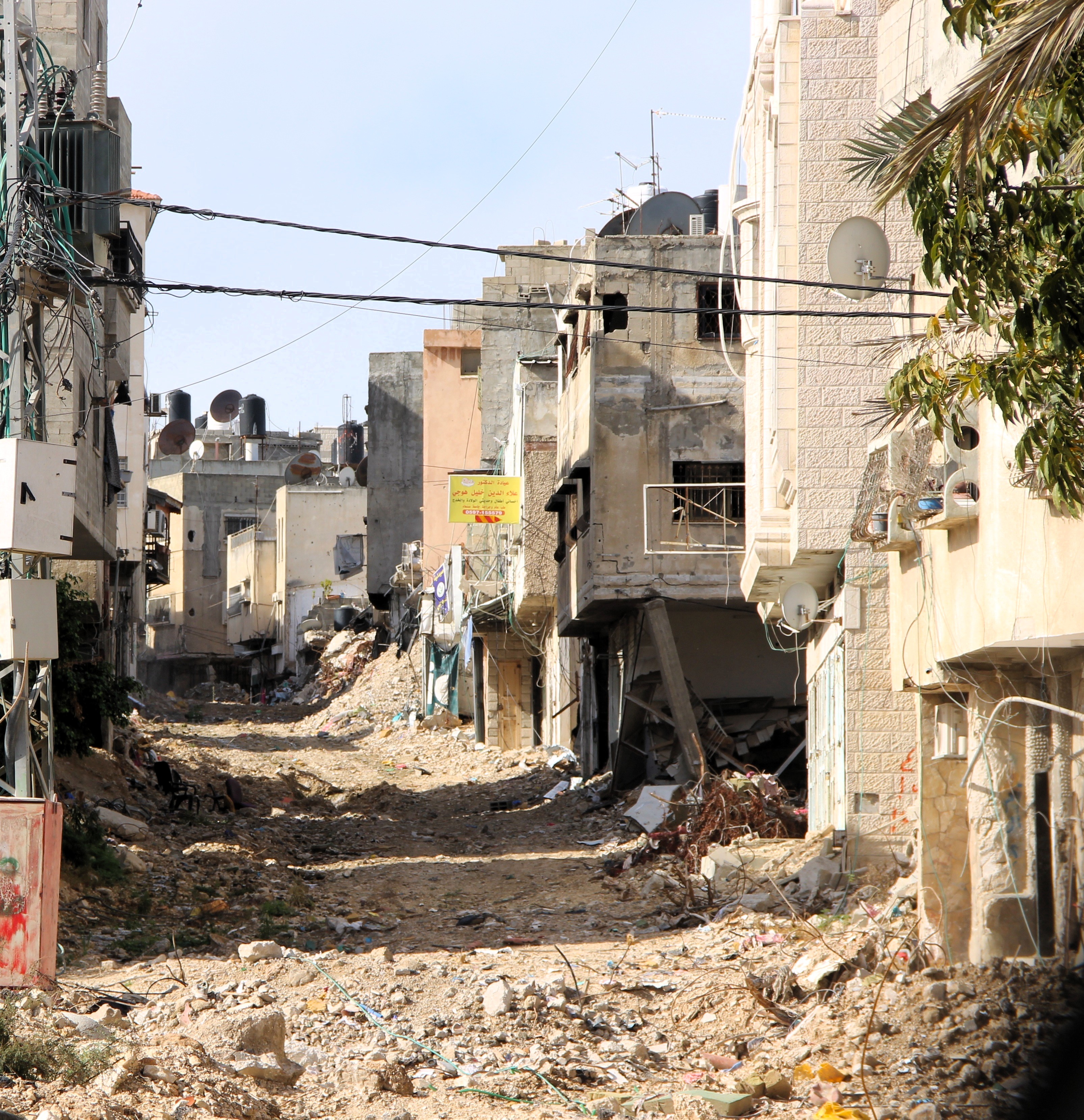
Since late January 2025, a major military operation in the northern West Bank has caused widespread destruction across several cities and forced the evacuation of several refugee camps. In Tulkarem refugee camp (shown in the picture), a recent damage assessment estimated that 36% of all structures—including schools, hospitals, and roads—have been damaged or destroyed.
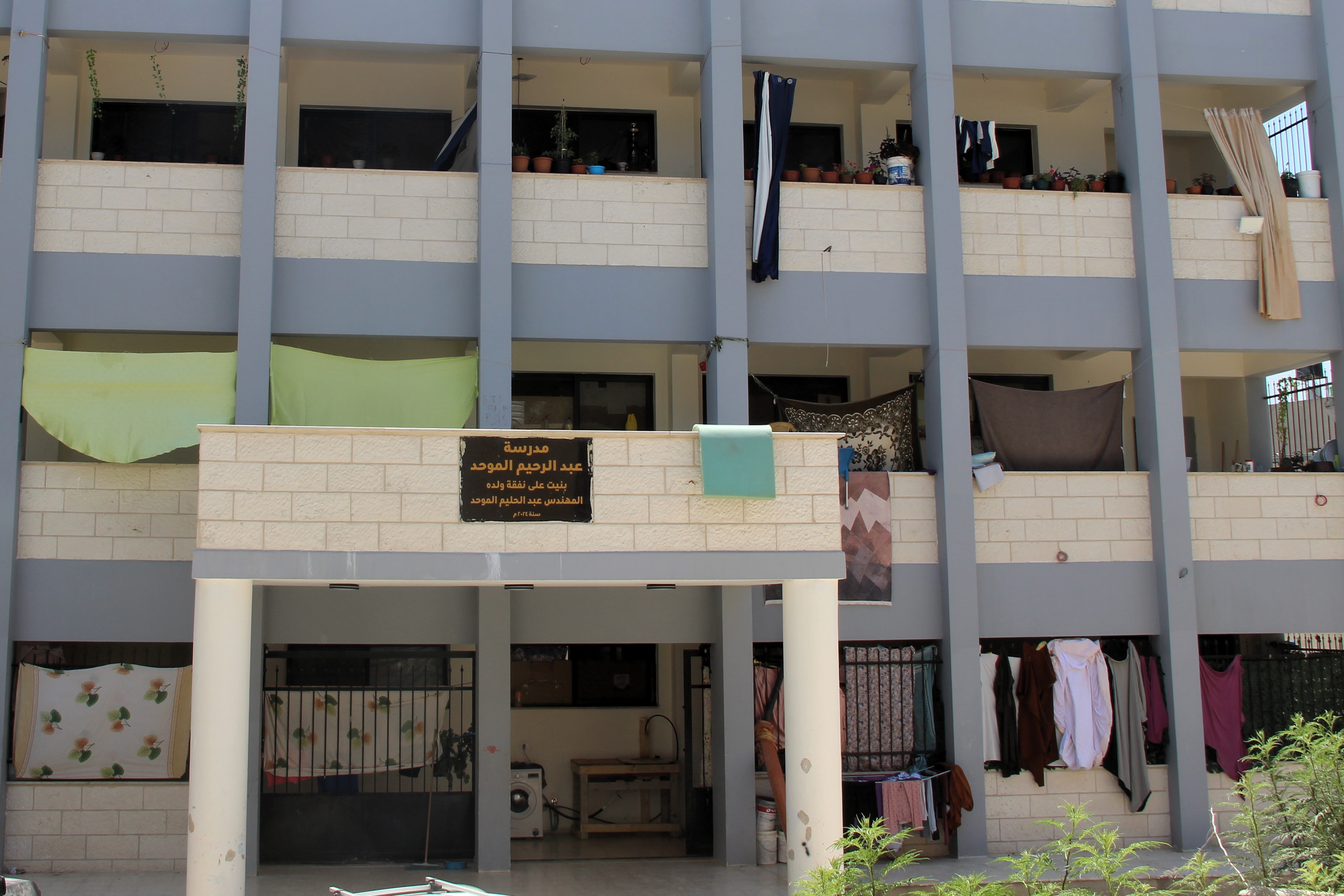
By December 2025, eleven months into the operation, 30,000 people remain displaced. Many are hosted in schools hastily converted into collective shelters, like the one shown in the photo. Living in overcrowded conditions, these families face deep uncertainty about when—or even if—they will be able to return home. Meanwhile, tensions are rising within host communities, where residents wonder when their schools will be available again for learning.
Children are bearing the brunt of this crisis. “These operations shut down many schools, especially in Tulkarem and Nur Shams refugee camps,” said Mr. Raed Mallak, Technical Director at the Directorate of Education in Tulkarem. “Families fled their homes suddenly, seeking safety. The psychological toll on children has been severe—they’ve seen destruction, experienced displacement, and many are living with trauma.”
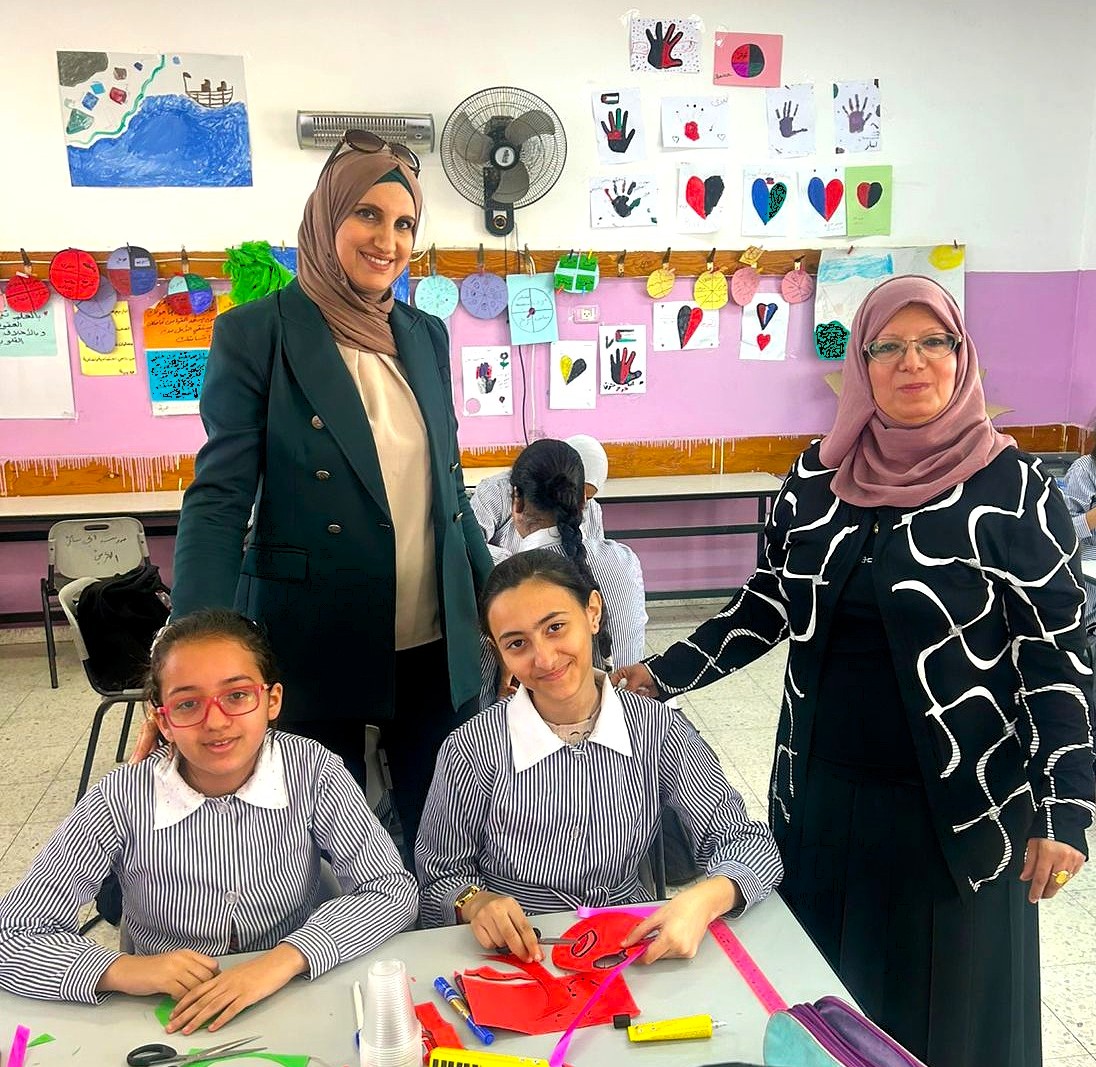
One of those children is Saeda* (on the right in the photo), an 11-year-old girl from Tulkarem refugee camp. Her family was forced to move several times within just a few weeks. “I never imagined I’d be forced to leave my home,” Saeda said. “It happened so quickly. First, we stayed with my aunt in Attil [a small village in the Tulkarem Governorate], then in a crowded shelter in Tulkarem city. Later, we moved to another one in the same city. Each family had only one room.”
The upheaval affected every aspect of Saeda’s life. “I couldn’t sleep at night. I kept thinking about our house, about my mom—she has cancer—and I worried a lot,” she said. “She changed a lot,” added her mother, Dua’a*. “She became very quiet and withdrawn. She wasn’t the same girl.”
When schools in Tulkarem gradually reopened, many had to find space for displaced children like Saeda, leading to a sharp increase in the number of students in each class. Teachers and counsellors quickly noticed the emotional toll the conflict had taken on their students.
“The crisis in Tulkarem isn’t just logistical—it’s emotional,” said Hala*, a school counsellor. “Children are struggling to make sense of their new reality while trying to keep up with school. Saeda stood out to me. The anxiety from all the moving and loss deeply affected her.”
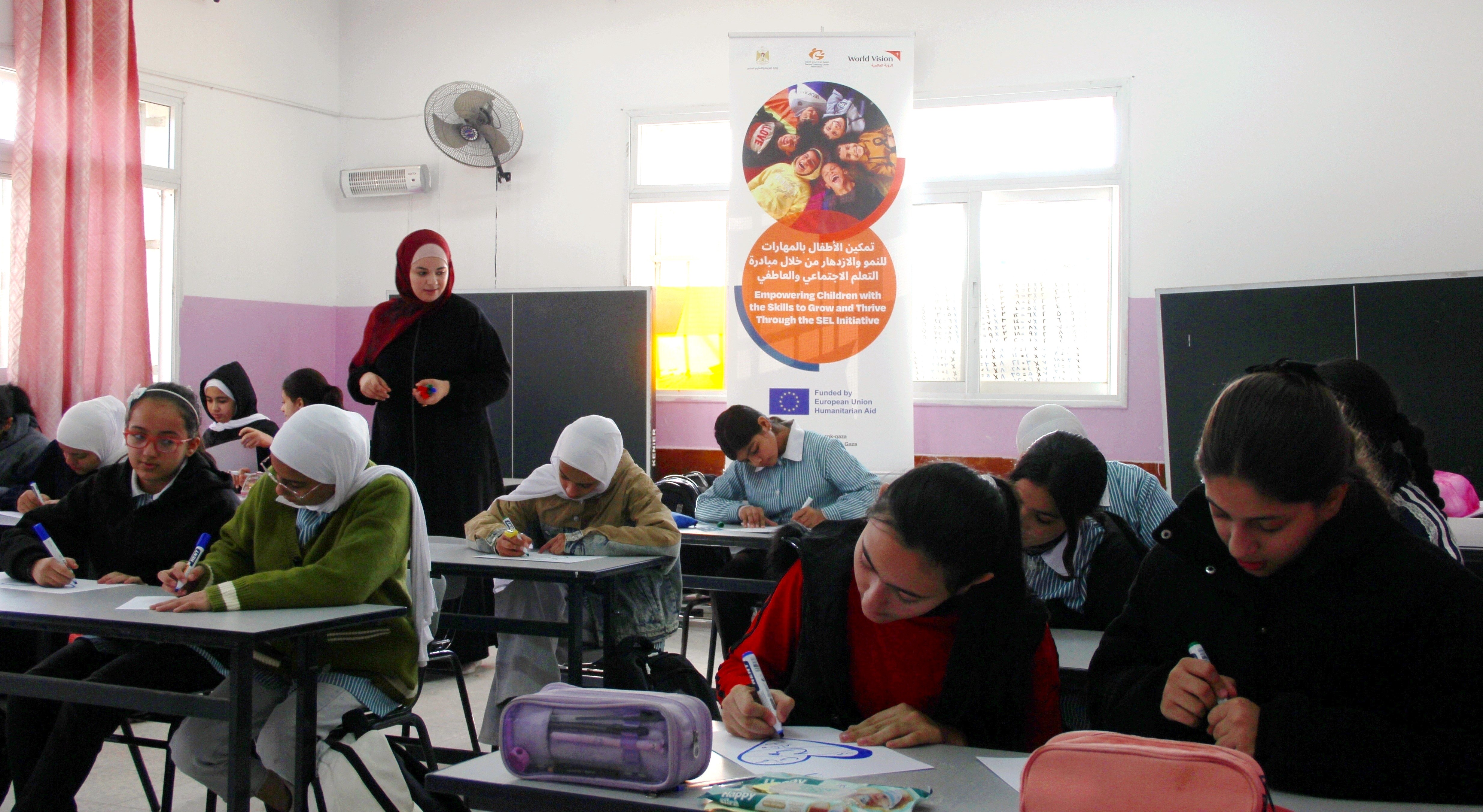
In response to the growing mental health emergency, World Vision, in partnership with the Teacher Creativity Center (TCC) and the Ministry of Education, launched a program focused on Social and Emotional Learning and Psychosocial Support. Funded by the European Union, the initiative has trained teachers and university volunteers to create emotionally safe spaces for children across 61 schools in the West Bank.
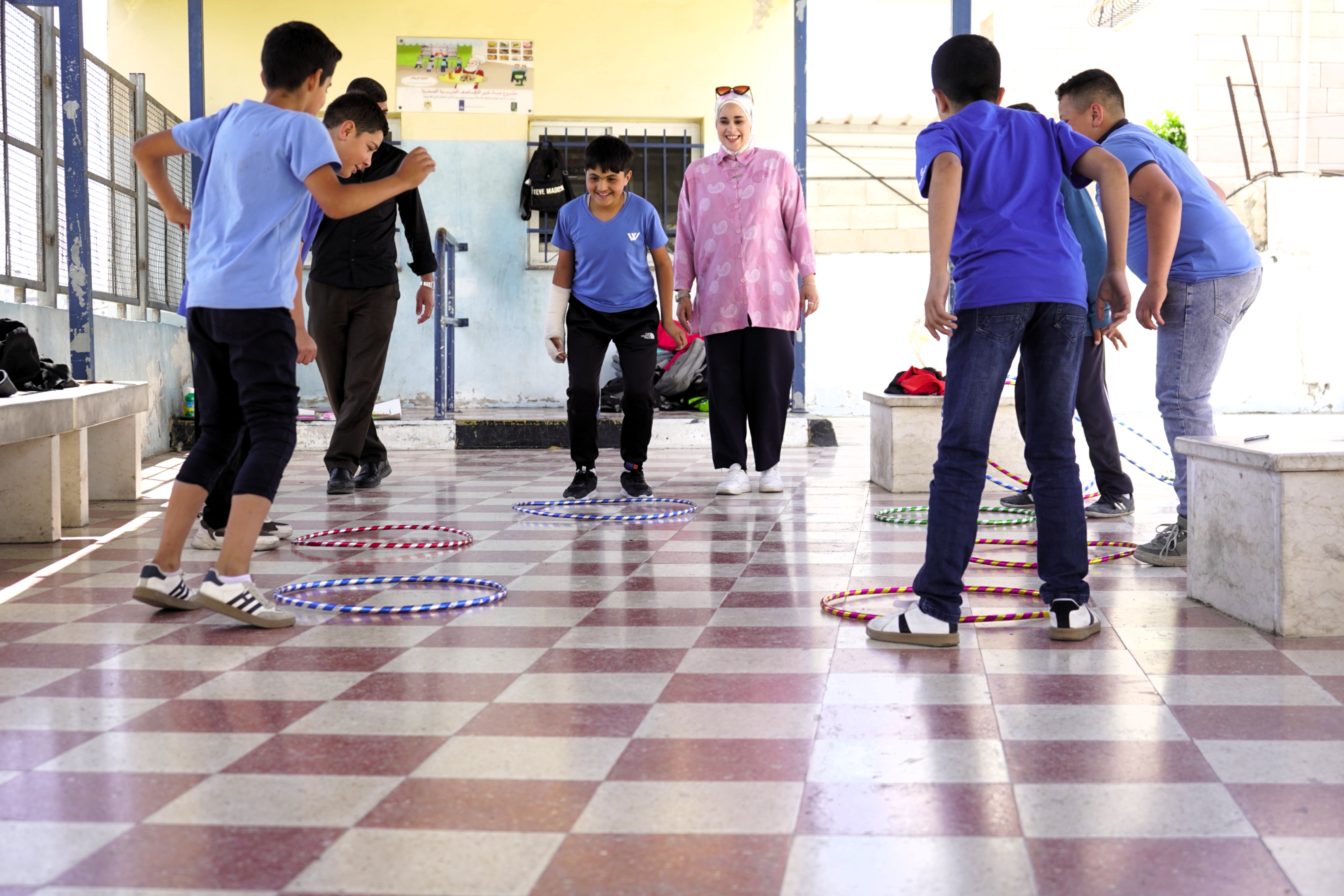
“In Tulkarem, children carry invisible wounds—grief, fear, and instability,” said Ahlam*, TCC’s Project Coordinator. “Through activities such as art, games, storytelling, and physical activities—we help them express their feelings, ease anxiety, and restore a sense of normalcy.” These sessions are designed to help children develop essential life skills, emotional well-being, resilience and healthy relationships.
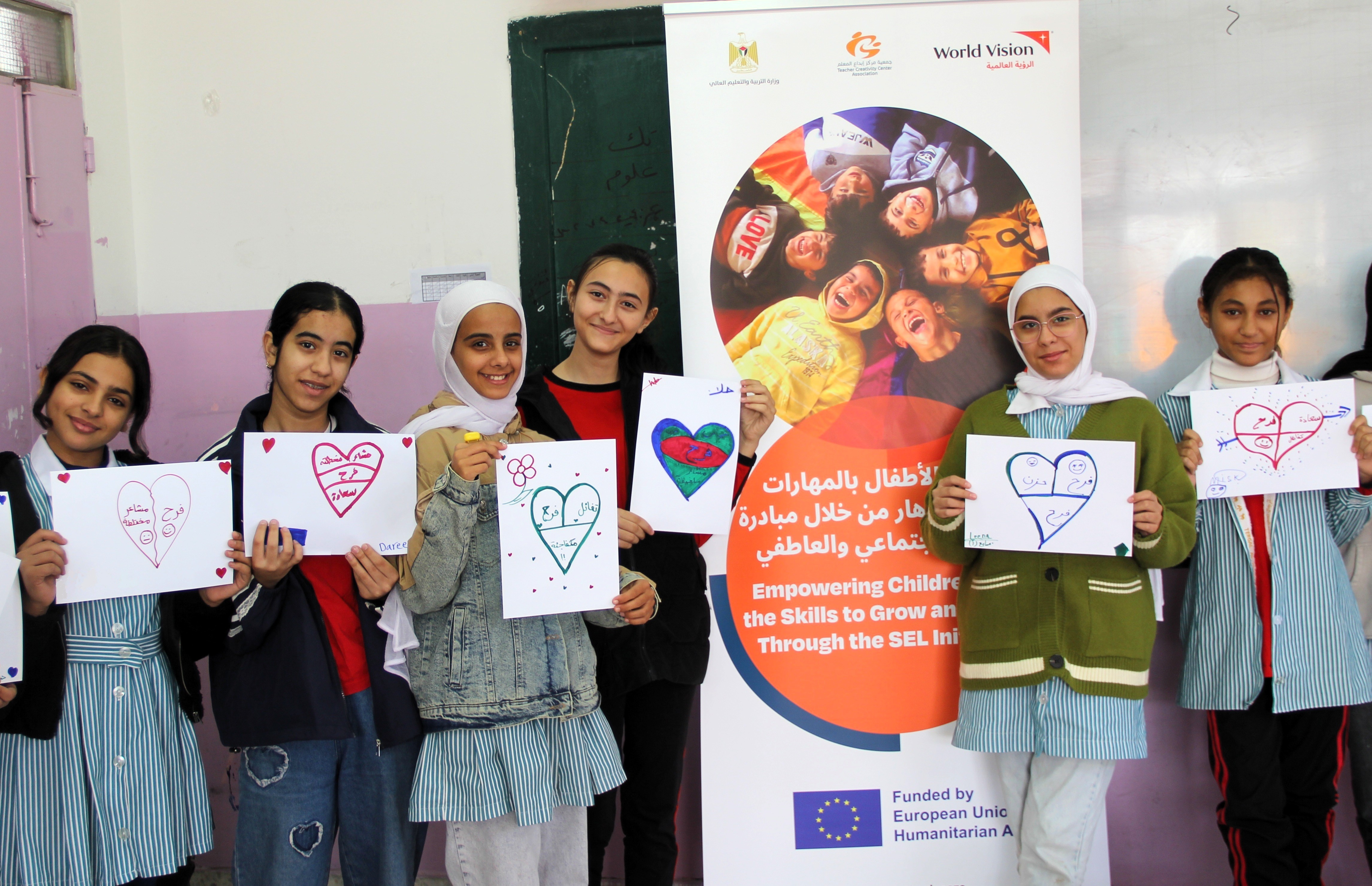
At Saeda’s school, the positive impact of the SEL sessions on the well-being children became evident early on. “Initially, she was hesitant to join the activities,” said Ms. Sondos Qwzah, trained teacher. “She appeared withdrawn and lacked motivation. But by the third session, we started to see a real change, she began to smile, participate, socialize and even laugh.”
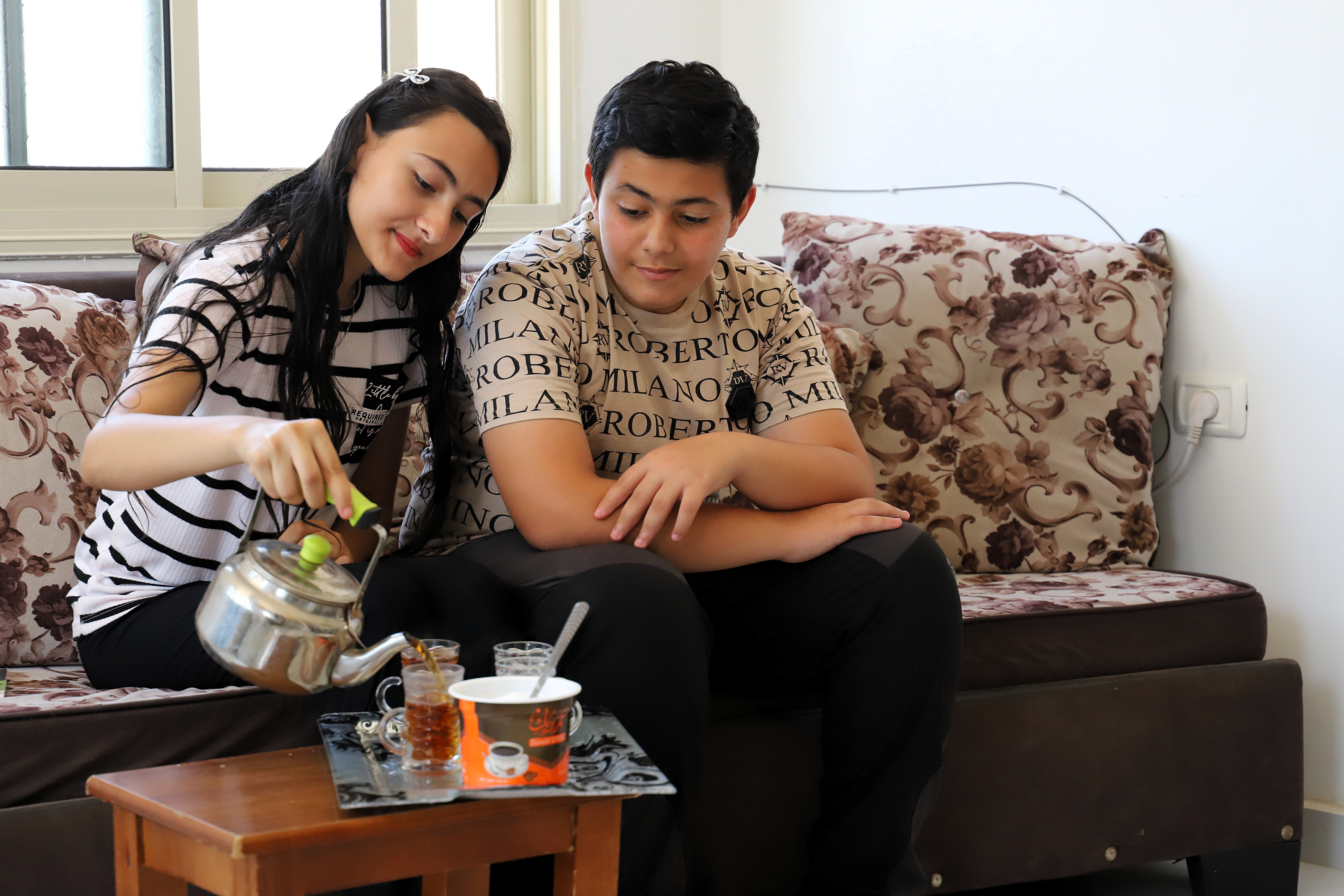
Her brother, Hisham*, has also noticed a difference. “She became herself again—cheerful, cracking jokes, and still determined to achieve her dream of becoming a doctor to help people like our mom.”
“SEL isn’t just a classroom activity,” Ahlam emphasized. “It’s a lifeline for children who’ve lost their sense of safety. And it’s working.”
* All names have been changed.