
From Isolation to Leadership: The Journey of “The Little Broadcaster”

When Ahmad* was old enough to notice how others looked at him, he stopped wanting to leave the house. At 12 years old, living with a hip dislocation that had shaped his entire childhood, he had learned to expect one of two things from the world outside: pity or ridicule. He chose neither. He chose silence, and withdrew into it. That silence began to break the day he walked into a Makani Club.
Ahmad lives with his mother Huda*, his older sister and five younger siblings in Deir Istiya, a village in Salfit Governorate. His father is not in the home, and it is his older sister — still in secondary school herself — who helps support Ahmad and keep the family together.
Ahmad was born with a congenital hip dislocation. Surgery and rehabilitation helped, but the condition affected his movement and contributed to delays in some developmental skills, meaning he was placed in a grade below his age group. At school, this difference made him visible in the worst possible way. He became the child others noticed, commented on, and sometimes targeted.
In a community where nearly half of all caregivers report their child's mental health has worsened, and where 39% of West Bank schools have no children with disabilities enrolled at all, Ahmad's isolation was not unusual. It was the predictable result of a system with too few safe spaces and too little room for difference.
World Vision's Makani Clubs are designed for children like Ahmad: children who have been edged out of the mainstream, who carry anxiety into every room, and who need somewhere that begins by simply accepting them. The clubs run as afterschool programmes in villages across the West Bank, combining social and emotional learning with activities that let children discover what they are capable of rather than what they cannot do.
Ahmad joined his local Makani Club and stayed for two consecutive years. Sessions were structured around communication skills, emotional awareness, teamwork and problem-solving — but in practice they were simpler than that. They were activities where Ahmad could try things, get things wrong, try again, and have someone standing next to him who was not there to judge.
"Before, I was too scared to even go outside. I thought people would laugh at me or say bad things about my disability. But in Makani Club, I found people who accepted me. I learned that I could speak without shyness, lead and be part of something in my community."
The change was not sudden. It came in increments, the way real change usually does. First, Ahmad started joining group games instead of watching from the side. Then he began speaking up during activities. Then he discovered, to his own surprise, that he could draw well — and write poems — and that when he stood up to speak, people listened.
Ruba Obaid, Ahmad's Makani Club facilitator, watched the change unfold: "Ahmad became more confident and expressive. He smiles more, connects better with others and actively contributes during sessions. His peers even nominated him to lead group activities, and he was often chosen to represent the club during guest visits."
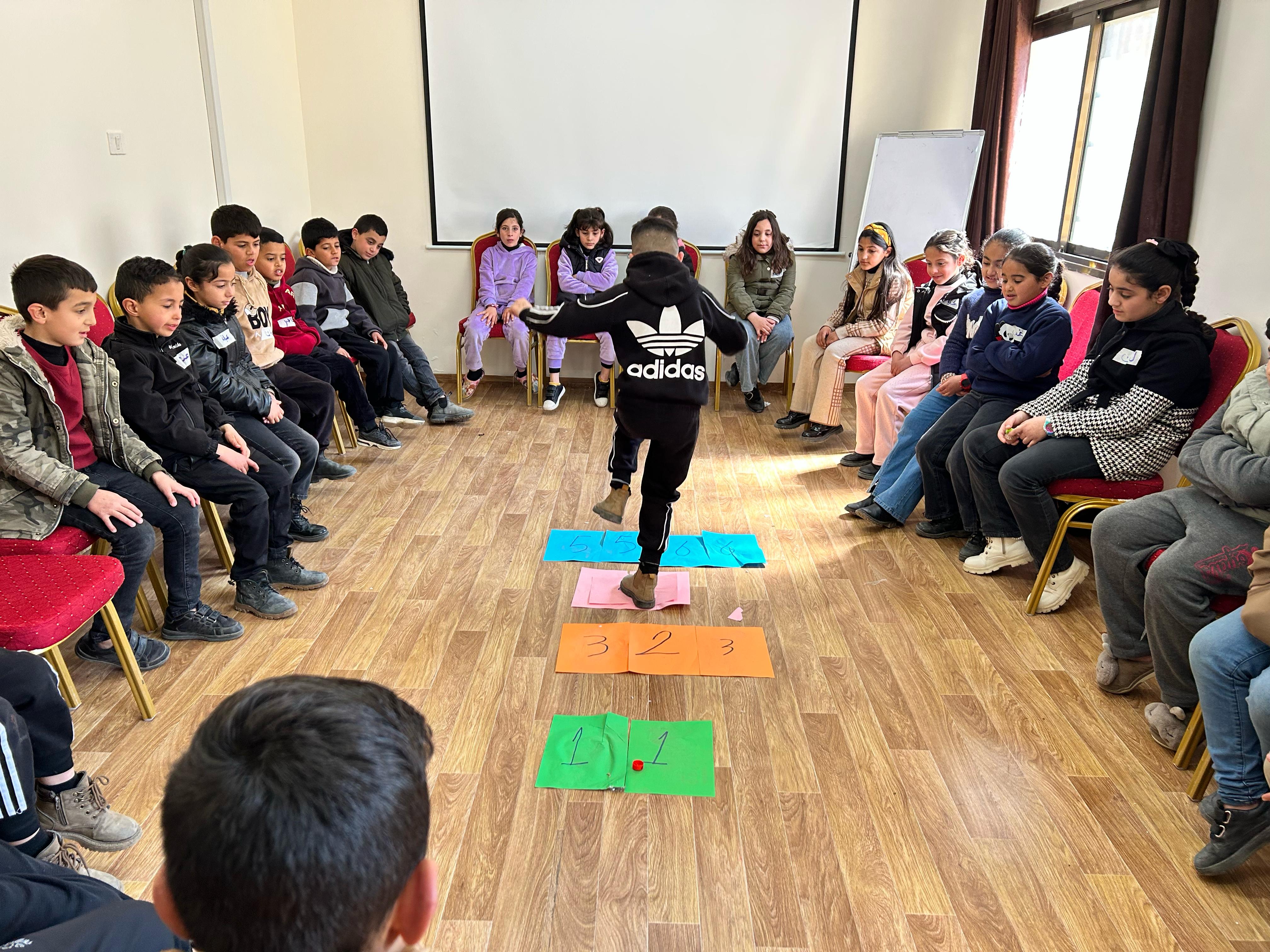
By his second year in Makani, something had shifted not just inside Ahmad, but in how his community saw him. At school, classmates started asking him to present group work on their behalf. He did it well enough, and confidently enough, that a nickname emerged: “the little broadcaster.” The child who had once refused to leave the house was now the one his peers chose to speak for them.
Ahmad's journey did not stay contained within the club. He began helping a community volunteer organise activities, encouraging other children to participate, and reaching out to children with disabilities or additional support needs — quietly, without fanfare — encouraging them to register for life skills sessions. He had become, without intending to, a bridge for others standing at the same threshold he had once stood at.
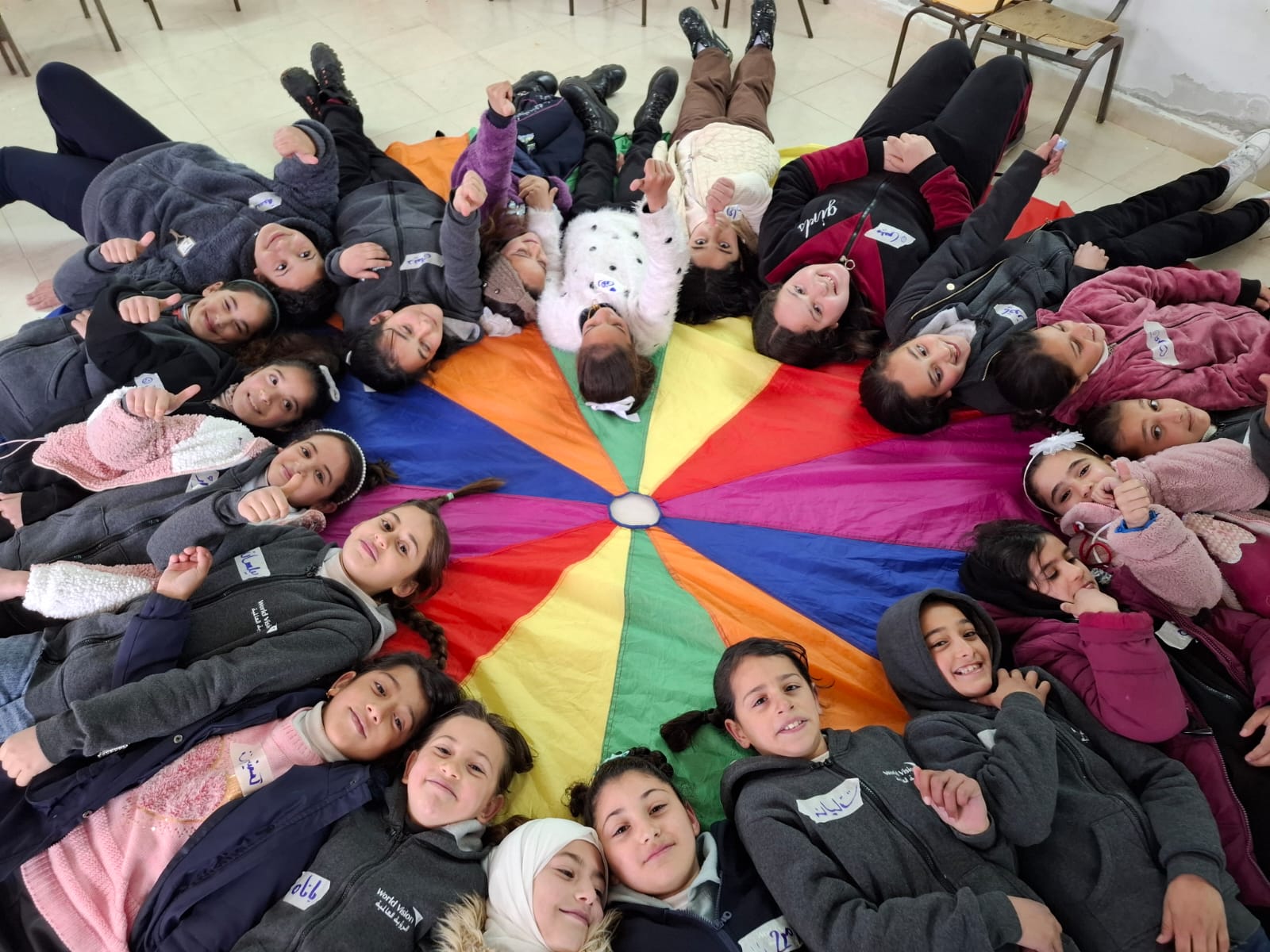
World Vision supports 47 Makani afterschool clubs across 47 villages in the West Bank, reaching close to 9,000 children. They offer psychosocial support to help children manage stress and emotions. In a context of constant violence and worries, this is important and the evidence from mental health programmes shows it works: among participating children, the proportion showing signs of psychological distress falls from 47% to 26%, and the proportion with peaceful peer relationships rises from 32% to 55%.
In the current context of the West Bank — where only 15% of children can access any psychosocial support and three quarters of households have seen their incomes collapse — a Makani Club is not a supplementary activity. For many children, it is the only structured, safe and supportive space available to them.
Ahmad's dream is modest and profound at the same time. He wants to continue to secondary school, to keep drawing, to keep writing. He wants the nickname to stick. For now, in Deir Istiya, there is a 12-year-old boy who walks out of his house every day, who has things to say, and who has learned that people will listen.
*Names of the child and family members have been changed for child protection purposes.