

HIV & AIDS
The Global AIDS Strategy 2021–2026, End Inequalities, End AIDS applies an inequalities lens to close the gaps slowing progress. It calls for renewed commitment to the 95–95–95 treatment targets by 2030, closing the testing gap, ensuring access to treatment for the 9.2 million people living still not receiving antiretroviral therapy (ART), and improving the unacceptably low treatment coverage among children living with HIV (UNAIDS). Only 57% of children 0 to 14 years living with HIV receive ART compared to 77% of all adults living with HIV.
The HIV and AIDS pandemic has devastated families worldwide, leaving millions of children without the care and support they need to survive, grow, and thrive. As of 2024, an estimated 13.8 million children worldwide had lost one or both parents due to AIDS-related causes. In 2024, 630,000 people died from AIDS-related illnesses worldwide, a 70% decrease since 2004 and 54% since 2010, but still far too high. Every day, 250 children and adolescents die from AIDS-related causes (UNAIDS, UNICEF). In 2024, someone died of HIV-related causes every minute.
There is still no cure for HIV, but access to effective prevention, diagnosis, treatment, and care, including for opportunistic infections, means HIV can now be managed as a chronic health condition, enabling people to live long and healthy lives (WHO). In 2024, approximately 40.8 million people were living with HIV, and 1.3 million were newly infected.
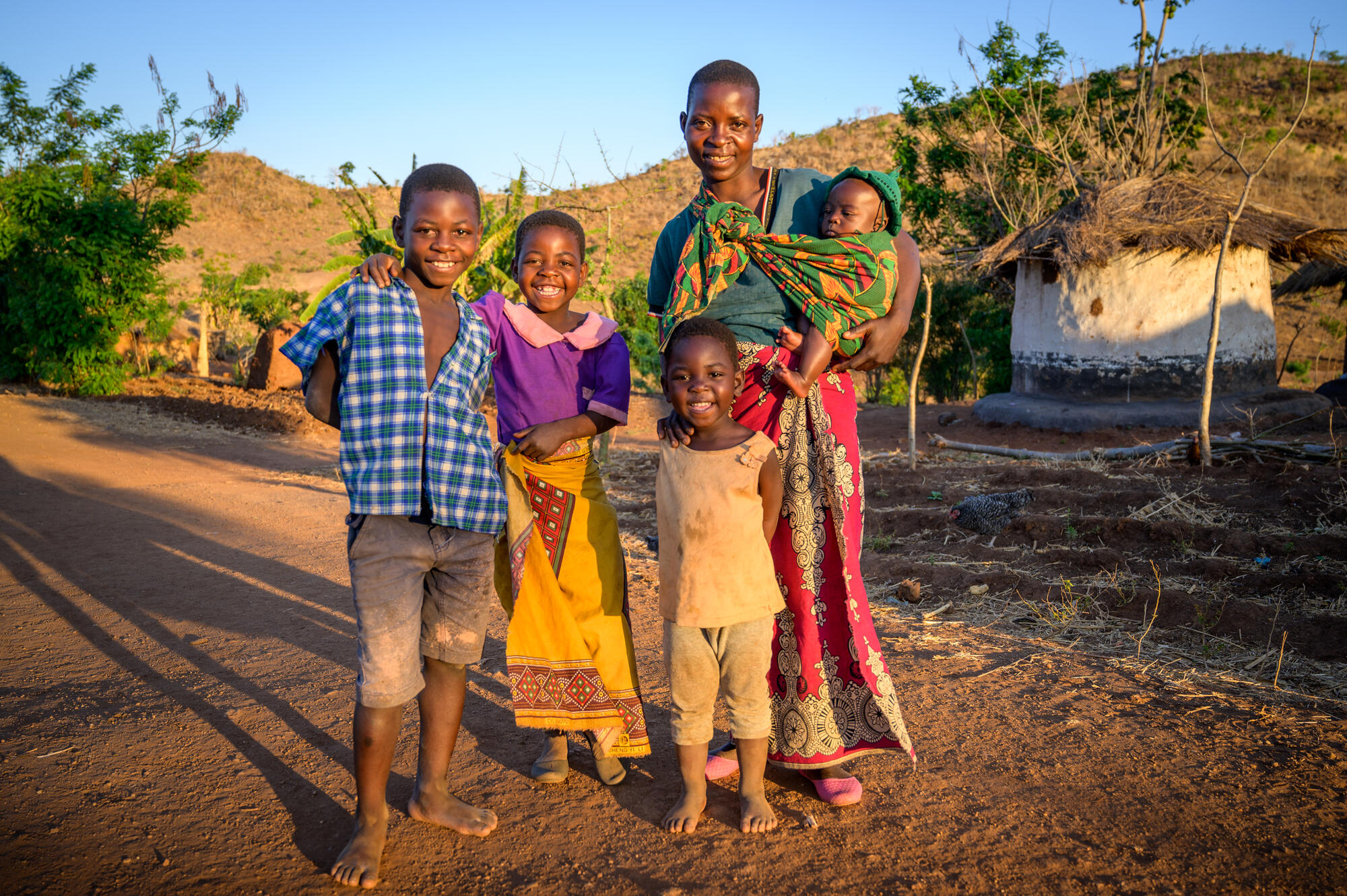
Adolescents and HIV
Adolescents account for around 10% of new HIV infections among adults, with three quarters occurring among adolescent girls. Despite progress, testing coverage among adolescents and young people remains low, meaning that many may not know their status (UNICEF). Adolescents living with HIV face poorer access to antiretroviral treatment, lower adherence, weaker retention in care, and lower rates of viral suppression. Limited availability of adolescent-friendly services, including psychosocial support, significantly contributes to these gaps.
Globally, 45% of children living with HIV do not have access to treatment. To achieve zero new infections and zero AIDS-related deaths among children, global partners are accelerating efforts to end AIDS by 2030, in line with Sustainable Development goals.
Gender and HIV
HIV and AIDS are fundamentally gendered issues. In 2024, women and girls accounted for 45% of all new HIV infections, and 63% of new HIV infections in sub-Saharan Africa. Each week, around 4,000 young women aged 15 to 24 become infected with HIV in 2024. In sub-Saharan Africa, adolescent girls and young women are three times more likely to be living with HIV than their male peers.
World Vision's Focus Getting to Zero for Children
HIV and AIDS Programme Approaches


World Vision's Advocacy Priorities
World Vision advocates, both directly and through coalitions, for three key priorities:
- Greater prominence for the prevention, treatment, care, and support needs of children and adolescents living with or affected by HIV and AIDS
- Stronger recognition of the essential role of community engagement, ensuring communities are empowered and resourced to influence policies and services
- Increased visibility of the contributions of faith-based organisations, whose reach, trust and long-term presence are critical in addressing HIV and AIDS
Related Stories


