

South Jenin ADP
Villages ADP Located In: Al Asa’sah, Al Fandaqomiya, Al Jadidah, Anza, Siris, Silat Al-Dahr, Al-A’ttara, Jaba, and Misiliya
No. of Registered Children: 4,993
No. of Direct Beneficiaries: 29,366
No. of Indirect Beneficiaries: 18,652
No. of Communities Served: 9
No. of community-based organisations and/or Schools Served: 45
Total No. of Staff: 18 fulltime staff members serving Northeast, West and South Jenin ADPs
Support Office: World Vision Korea
WHERE WE WORK
The Palestinian governorate of Jenin, home to over 256,600 residents is nestled in the northern part of the West Bank. The governorate comprises 10 per cent of the area known as the West Banka. Its residents face a unemployment rate, of 21.7 per cent, and 34 per cent are food insecure.
South Jenin, is an area comprised of 14 villages, covering an area of 1,38.51 square kilometres/53.48 square miles. The population of South Jenin is 23,279. World Vision has found that households employed on a full-time basis has decreased from about half (46.9 per cent) to roughly one third (32.8 per cent) over the past four years. In southern Jenin, over 80 per cent of households spend more than 45 per cent of their income on food, and 30.7 per cent suffer from severe living conditions, as they are living under the poverty line. Over half of southern Jenin households live below the poverty line as their income is less than 2,000 NIS ($548).
The major economic sectors in South Jenin are agricultural (including crops and livestock) and craftsmanship which, together make up more than 80 per cent of the viable economy. All villages in southern Jenin used to depend on labour and employment in Israel, which is now largely inaccessible due to the construction of the separation barrier. Since 2000, further closures have decreased marketing opportunities meaning most agricultural products must be marketed locally at low prices.
ENABLING TRANSFORMATION
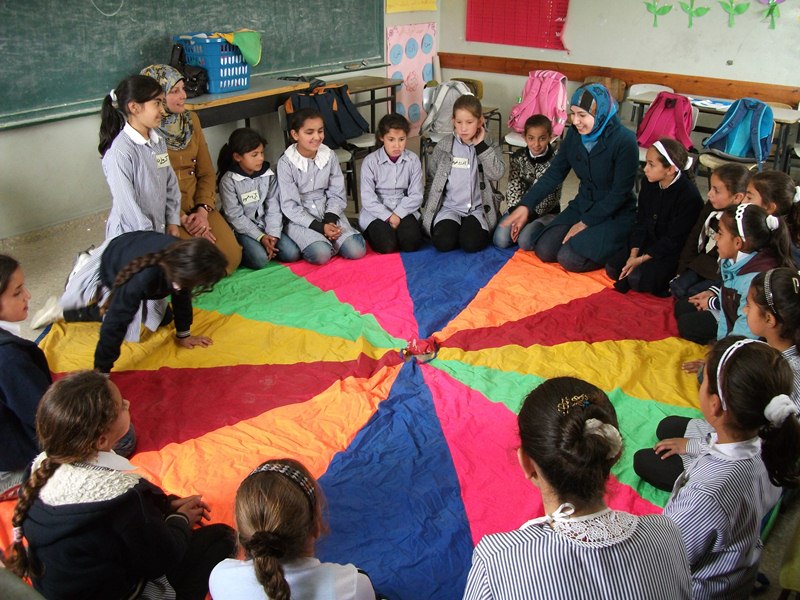
Partnering and participating with its communities since 2007, World Vision focuses on responding to the needs of families and children. Even more important than direct assistance, however, World Vision works to empower and enable individuals to drive transformation of their own in their communities.
Through projects focusing on agricultural economic development, food security and economic development, World Vision has created job opportunities for South Jenin residents and a higher quality of life. Through its educational initiatives, World Vision partners with its communities and local organizations to provide children with opportunities to be cared for, protected and participating. World Vision also strives to provide better environment where children have safe areas to play. Fostering child empowerment, World Vision encourages children to be respected participants in decisions that affect their lives and their futures.
INTERDEPENDENT COMMUNITIES
World Vision aims to help the most vulnerable and poor communities progress towards to the building of interdependent communities with the capacity to continue its development. Through rehabilitation and capacity building, World Vision supports the building of relationships between the communities’ children and families to share in the responsibility of building a better future for the children. In this way, World Vision’s hope is the sustained well-being of all children and for them to have hope and a vision for the future.
WATER
After implementing Jaba Water Project, 1,389 households in the village of Jaba enjoyed the availability of safe and clean water. The project improved the availability and the quality of water supplied to Jaba residents as well as reduced the cost of living for the village household through the reduction of purchased tank water. This improvement in the water network was paired with awareness raising workshops to increase the community’s knowledge of best water and hygiene practices and to spread awareness on key factors of water pollution and ways to treat water at the household level.
A SHARED FUTURE
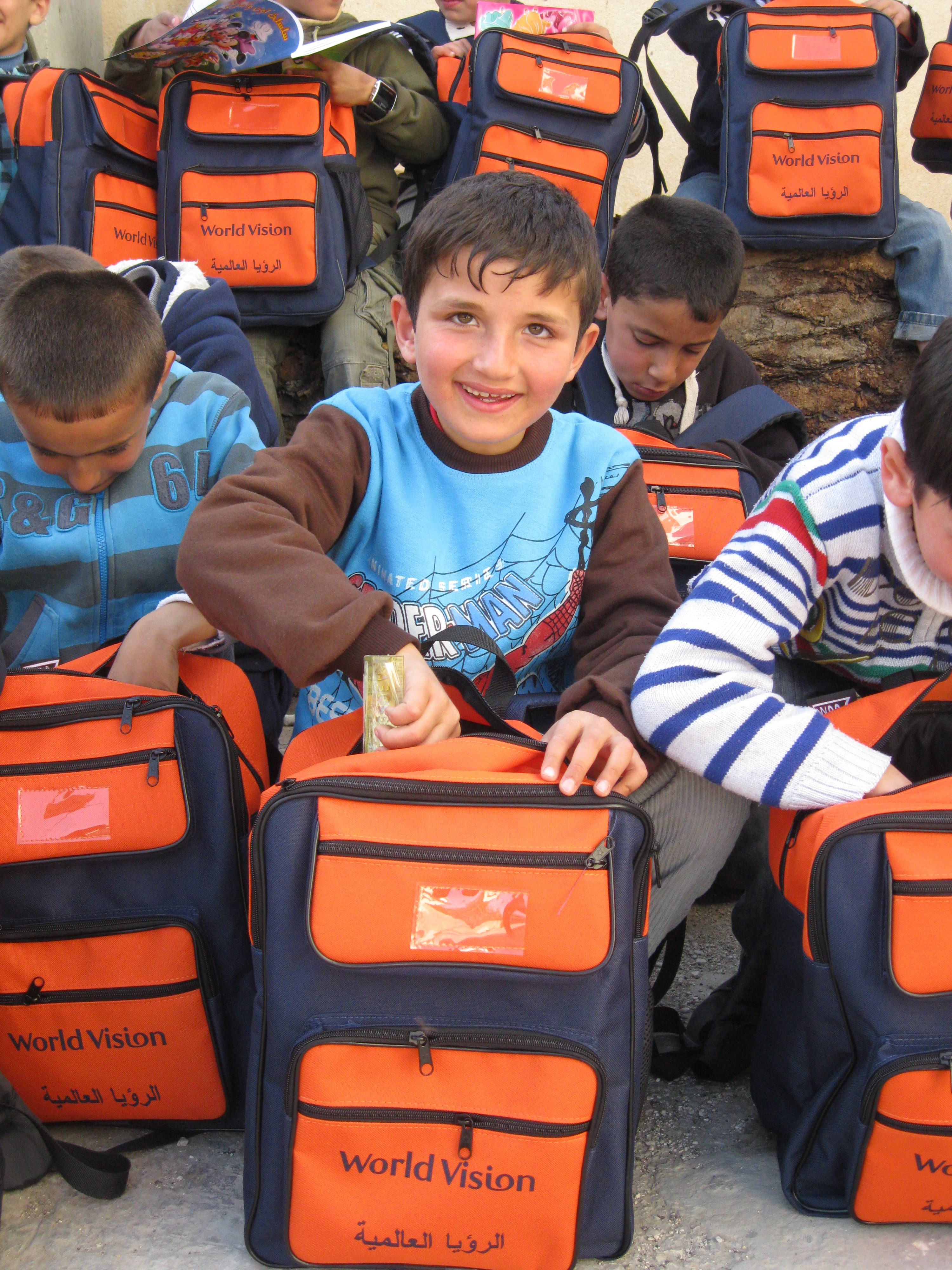
World Vision Jerusalem-West Bank-Gaza seeks to impact the lives of over 200,000 children through its programmes and directly benefits the lives of over 168,000 people in 116 communities throughout the occupied Palestinian territory. Through its Area Development Programmes, World Vision works with 500 community-based organizations and schools to empower families and children to become agents of change for a better future. World Vision seeks to ensure that all families and children are cared for, protected and participating.
Sources:
1) World Vision, Socio-Economic Endline Survey, 2012
2) Palestinian Central Bureau of Statistics (PCBS), Press Release on the Eve of the International Population Day 11/07/2012, page 3, 2012, http://www.pcbs.gov.ps/Portals/_pcbs/PressRelease/int_Pop_2012e.pdf
3) United Nations Office for the Coordination of Humanitarian Affairs occupied Palestinian territory (OCHA), www.ochaopt.org