
The Little Room Where Lina Escaped the World

Across many families in the West Bank, emotional stress and pressure have quietly become part of daily life. Difficult living conditions, ongoing uncertainty, and economic hardship continue to weigh heavily on both parents and children, creating silent emotional distance inside many homes.
According to a recent World Vision survey conducted across seven governorates in the West Bank, nearly half of caregivers reported that their children’s mental health had worsened, while many children showed frequent signs of emotional distress at home.
Among them was 12-year-old Lina from one of the villages in Qalqilya governorate.
At an age that should be filled with laughter, friendships, and simple dreams, Lina was carrying emotions she did not know how to express. Little by little, her relationship with her mother became filled with tension and misunderstanding, until her small bedroom became the only place where she felt emotionally safe.
“I used to stay alone in my room for a long time,” Lina shared. “I felt that no one understood me, and even my mother, I thought she was always angry with me or criticising me.”
Like many mothers, Lina’s mother was trying to cope with daily stress and growing responsibilities, without realising that her daughter was silently struggling with feelings of sadness, fear, and loneliness.
Over time, even simple conversations between them often turned into arguments, while Lina slowly withdrew further into herself.
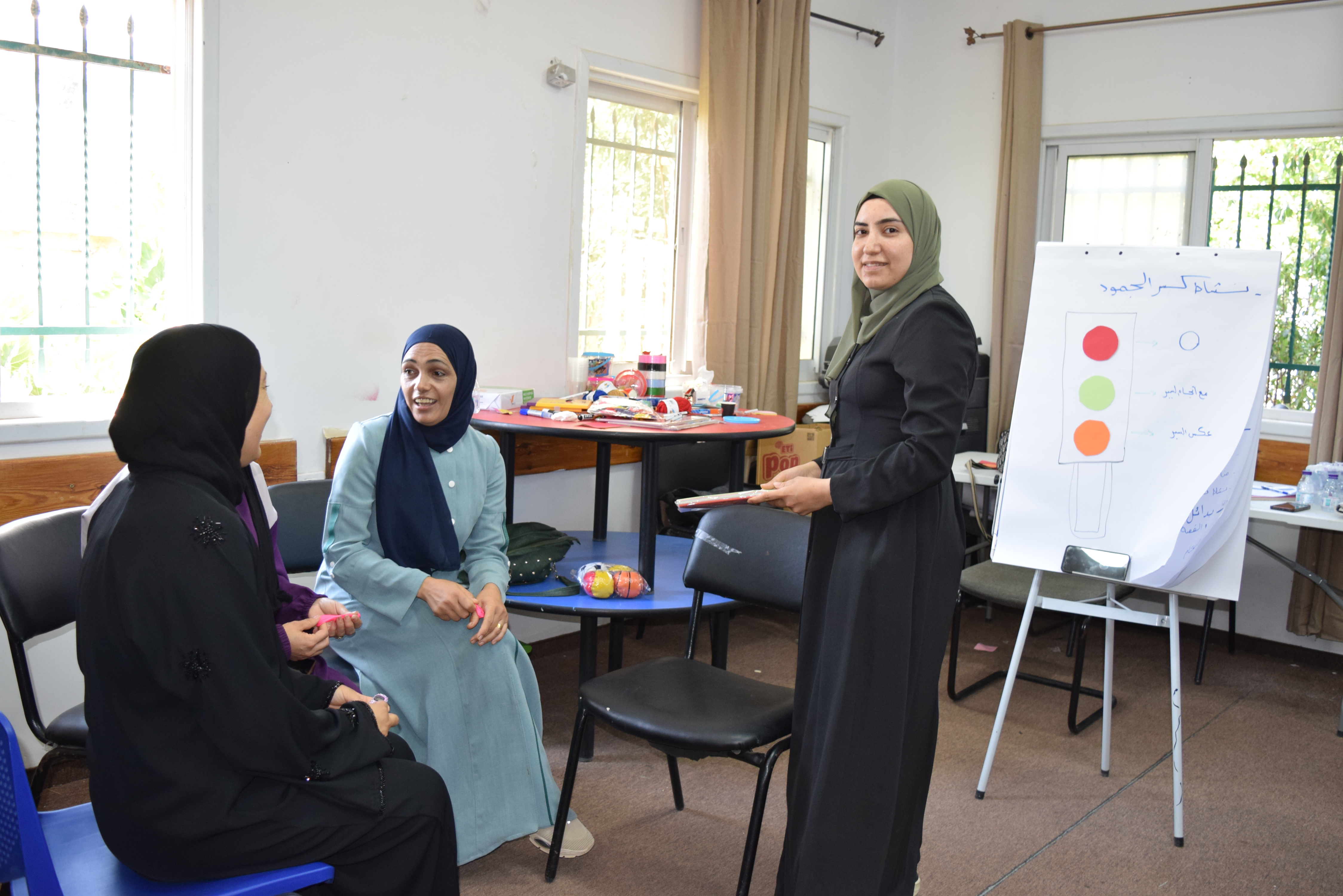
To support families facing similar challenges, World Vision implemented the EASE programme (Everyday Actions for Stress and Emotional Support), providing safe spaces for children, adolescents, and caregivers to openly express emotions, understand stress, and learn healthier ways to communicate and cope.
At first, Lina did not expect anything to change.
But during the sessions, she began hearing stories that sounded just like her own. Children and adolescents speak about anger, loneliness, and feeling misunderstood inside their homes. One of them was her friend Summaya, who shared how difficult her relationship with her mother had once been, and how it slowly improved after they both learnt to listen and communicate calmly.
“When I heard Summaya’s story, I felt that I was not alone,” Lina said. “It made me realise that what I was feeling was normal, and that things could actually change.”
As the sessions continued, the relationship between Lina and her mother slowly began to heal.
Lina learnt how to express her emotions instead of hiding them, while her mother began listening with more patience, calmness, and understanding instead of frustration and anger.
“After the programme, my mother really started listening to me,” Lina explained. “We began talking more and understanding each other better. For the first time, I felt that my mother’s embrace was my safe place.”
The challenges in their lives did not disappear, but something important inside their home changed. Warmth slowly returned to the relationship between mother and daughter, and Lina no longer felt alone with her emotions.
Through emotional support activities, safe spaces, and practical coping sessions, the EASE programme helped children and families rebuild trust, strengthen communication, and restore emotional safety during an exceptionally difficult time.
At a time when emotional distress continues to affect many families across the West Bank, Lina’s story is a reminder that emotional support is not a luxury — it is essential for helping children and families heal, reconnect, and find hope again.
*Names have been changed to protect the privacy and identity of the family.